Tourist Sites Near Me – Best Places to Visit Nearby
Srirangapatna
• Mandya • Karnataka
Srirangapatna is a historic island town in Karnataka, located on the banks of the river Kaveri River. Once the capital of the powerful ruler Tipu Sultan, it is rich in Indo-Islamic architecture, temples, and remnants of colonial-era battles. The town is considered a major cultural and heritage destination in South India.
Srirangapatna is one of Karnataka’s most treasured cultural heritage sites, offering a deep connection to India’s rich and complex past. Situated on an island formed by the Kaveri River, this historic town served as the capital of Tipu Sultan, famously known as the “Tiger of Mysore.” The town stands as a symbol of resistance against British colonial rule, particularly during the Anglo-Mysore Wars, which shaped much of South Indian history.
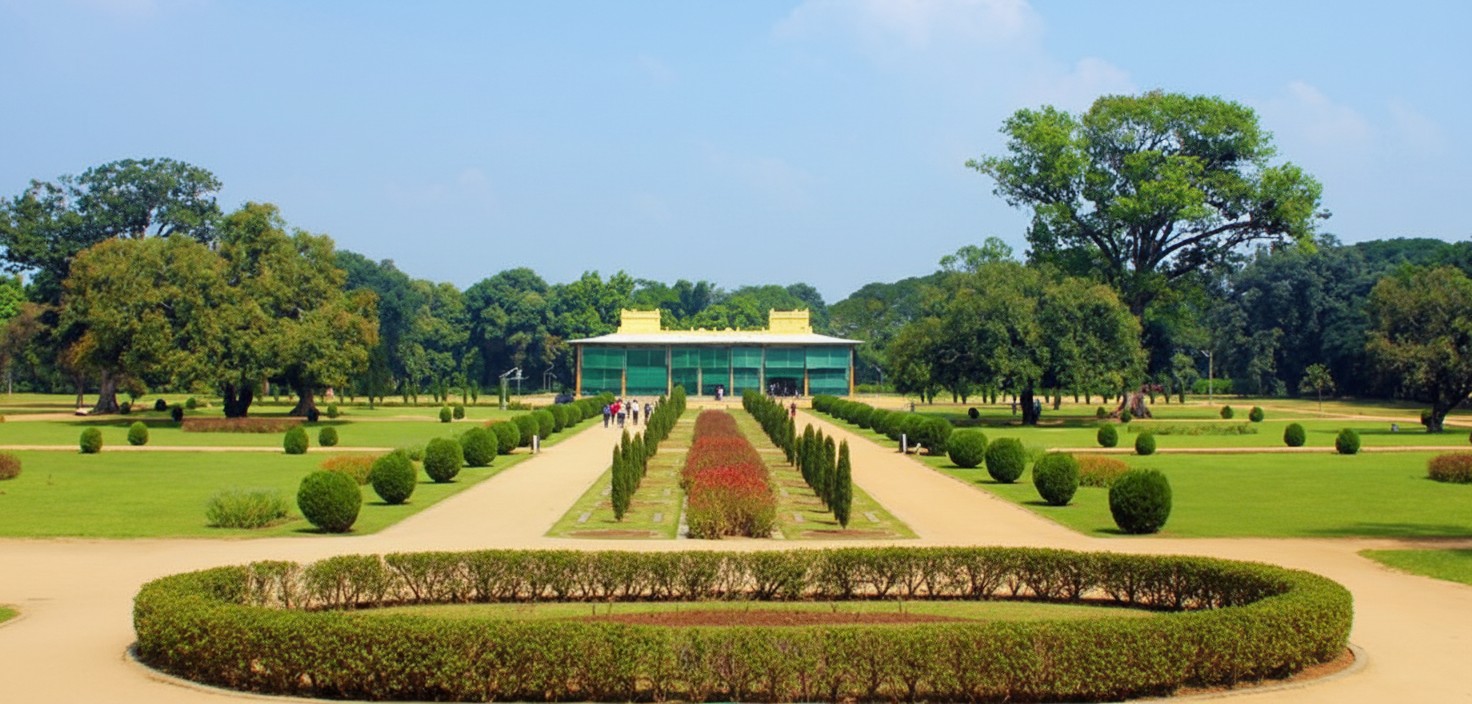
The architectural landscape of Srirangapatna reflects a harmonious blend of Hindu and Islamic styles. The Ranganathaswamy Temple, dedicated to Lord Vishnu, is a major pilgrimage center and an excellent example of Dravidian architecture. In contrast, structures like Daria Daulat Bagh, Tipu Sultan’s summer palace, display intricate Indo-Islamic designs, with detailed frescoes depicting royal life and historic battles.
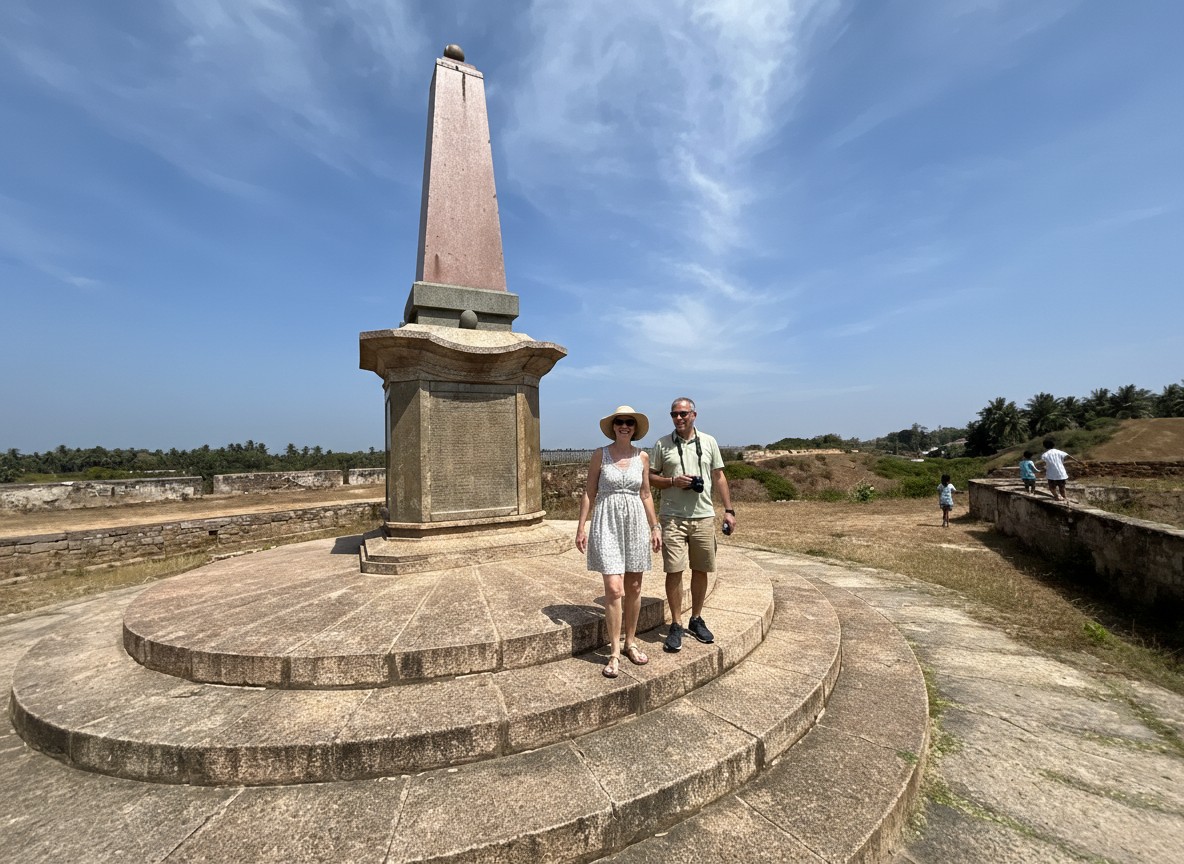
Visitors can also explore the Srirangapatna Fort, which still retains its massive walls and gateways. The site where Tipu Sultan fell in battle remains a place of historical significance. Walking through the town feels like stepping back in time, with every corner telling a story of bravery, culture, and transformation.
Apart from its historical importance, Srirangapatna offers serene natural surroundings, with the flowing Kaveri River adding to its charm. It is an ideal destination for history enthusiasts, architecture lovers, and travelers seeking a blend of culture and tranquility.
🎯 Things to do
- Visit Sri Ranganathaswamy Temple
- Explore Tipu Sultan’s Summer Palace
- Visit Gumbaz (Tipu’s Mausoleum)
- Walk around the historic fort walls
- Visit Colonel Bailey’s Dungeon
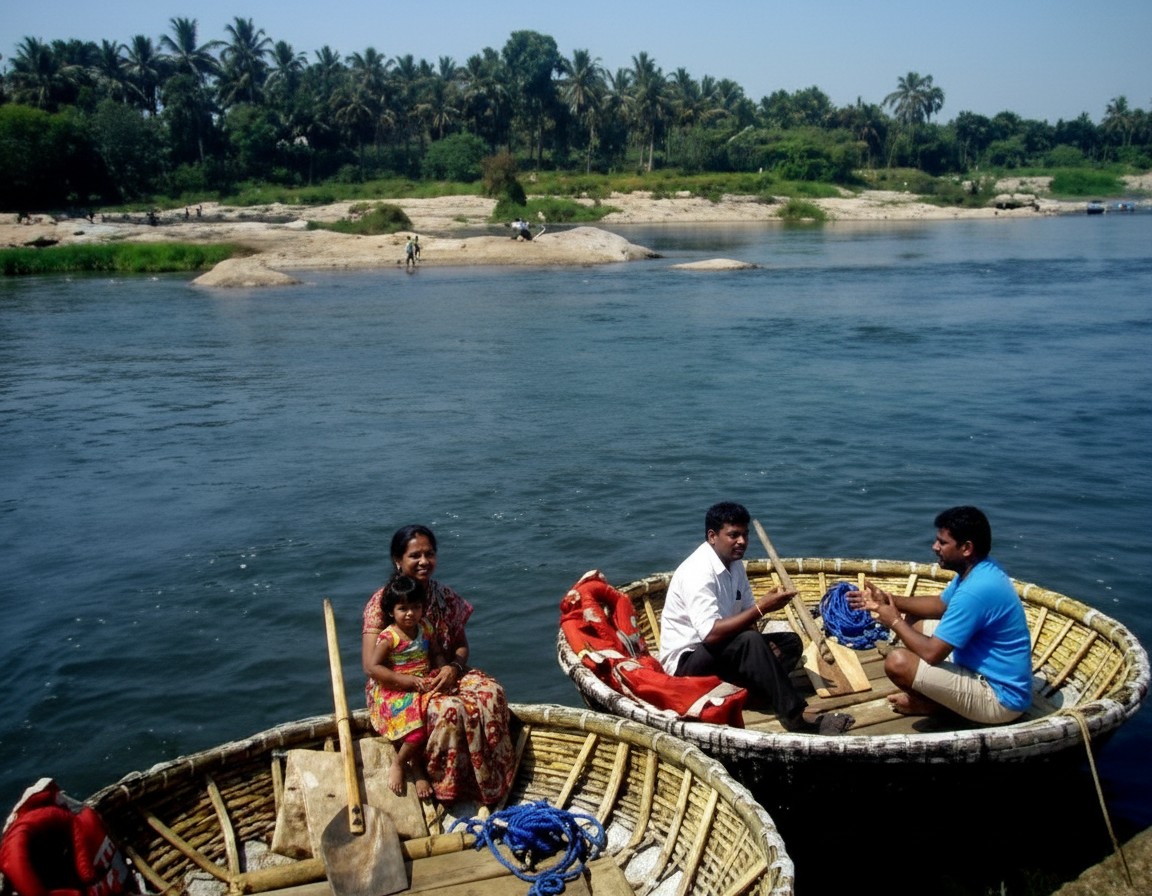
- Enjoy Cauvery riverside views
- Photography of heritage monuments
📍 Near By
- Brindavan Gardens (20 km)
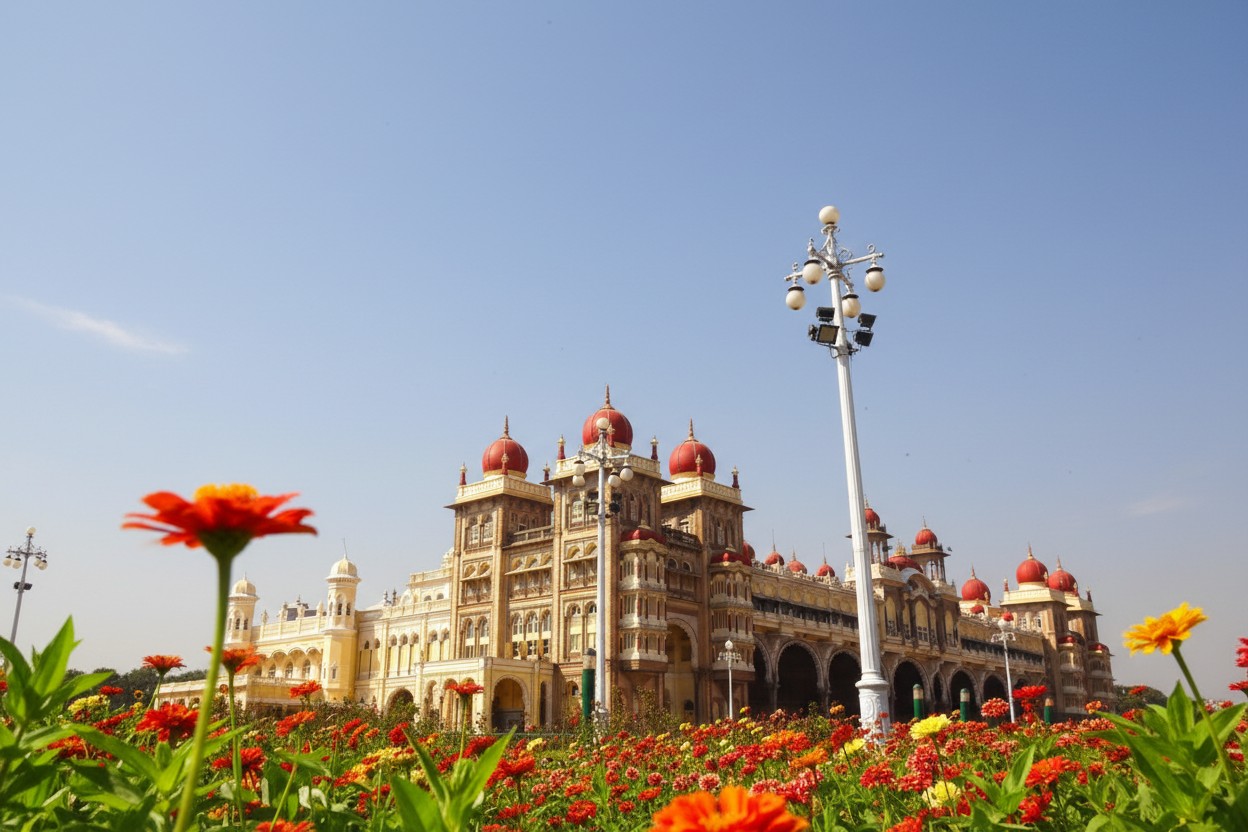
- Mysore Palace (15 km)
- Ranganathittu Bird Sanctuary (4 km)
- Nimishamba Temple (within town)
- Krishnaraja Sagar Dam (18 km)
🛣️ How to Reach
By Air: Nearest airport is in Bengaluru (~125 km).,
By Train: Srirangapatna has a small railway station; major connectivity via Mysuru (15 km).,
By Road: Well-connected by NH-275; frequent buses and taxis from Bengaluru and Mysuru.
⭐ Why Visit
Explore the legacy of Tipu Sultan,
Visit ancient temples like Ranganathaswamy Temple,
Witness historical battle sites linked to the Anglo-Mysore Wars,
Experience peaceful riverside scenery
💡 Travel Tips
Best time: October to March,
Wear comfortable footwear for walking,
Hire a local guide for historical insights,
Combine with a trip to Mysuru for a fuller experience,
Carry water and sun protection
🌟 Special Features
Island town formed by the Kaveri River,
Blend of Hindu and Islamic architecture,
Important monuments like Daria Daulat Bagh (summer palace),
Fort walls and gateways showcasing military design







Brindavan Gardens
Krishnarajasagara • Mandya • Karnataka
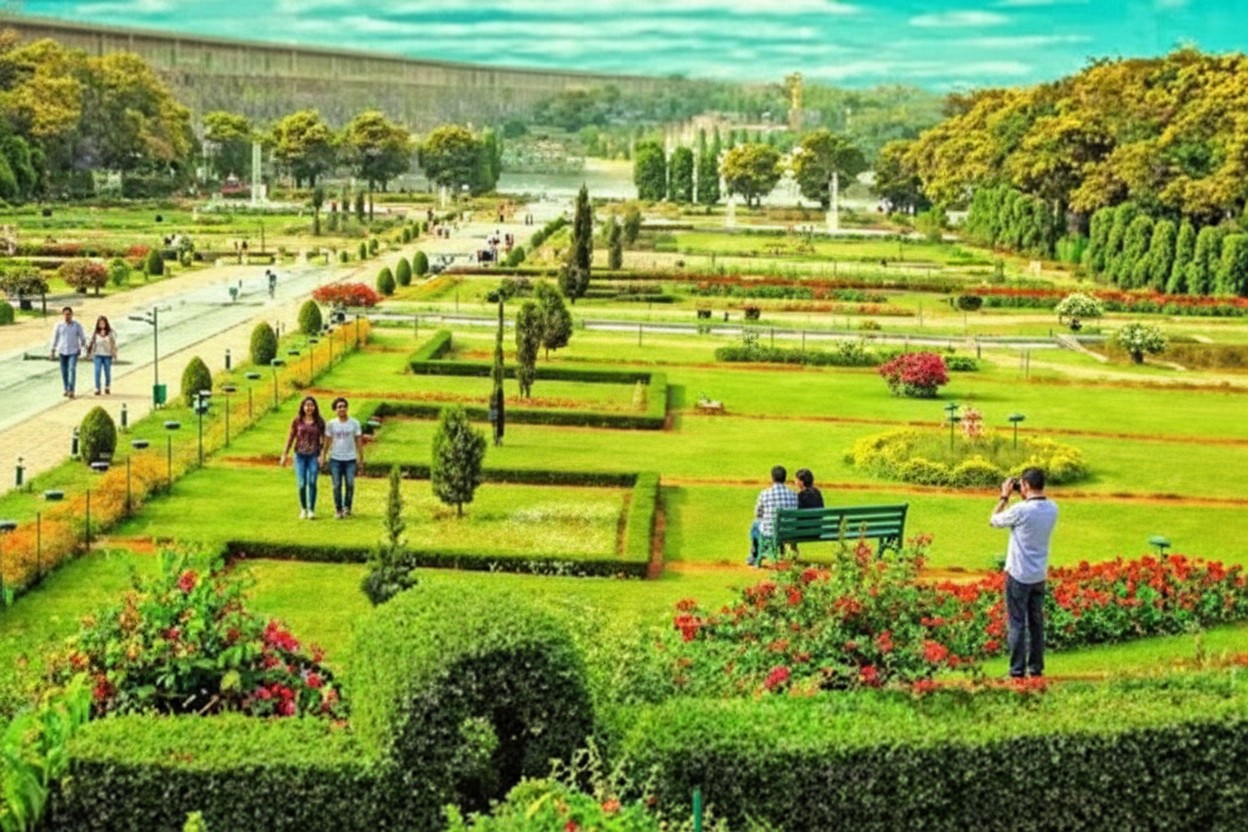
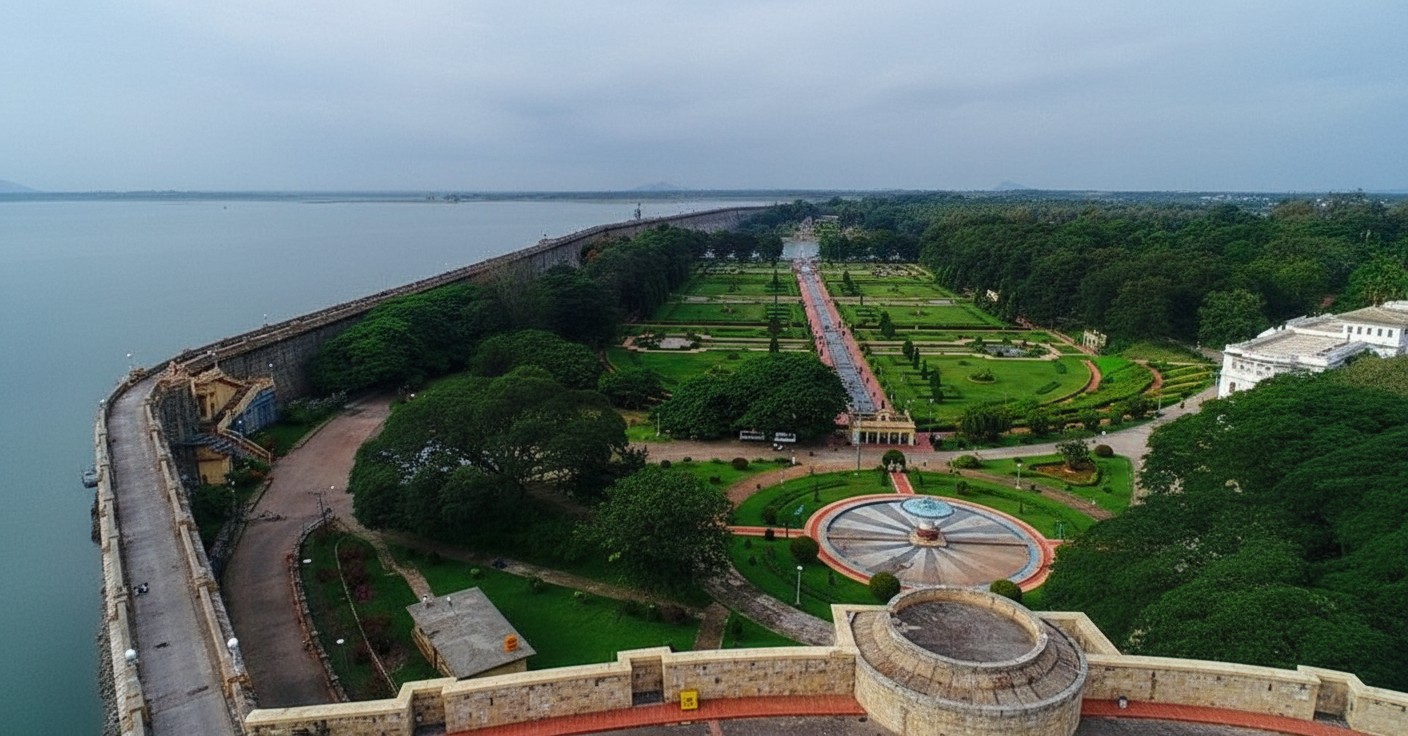
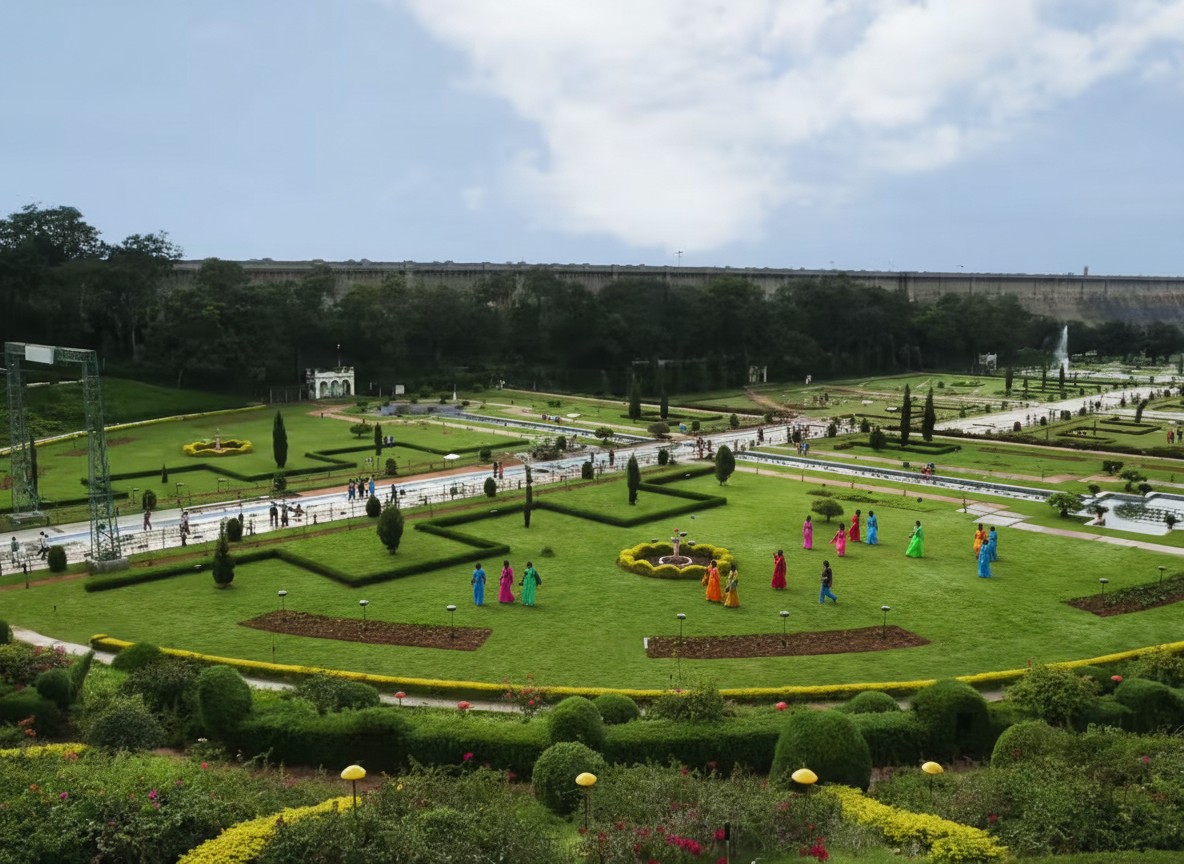
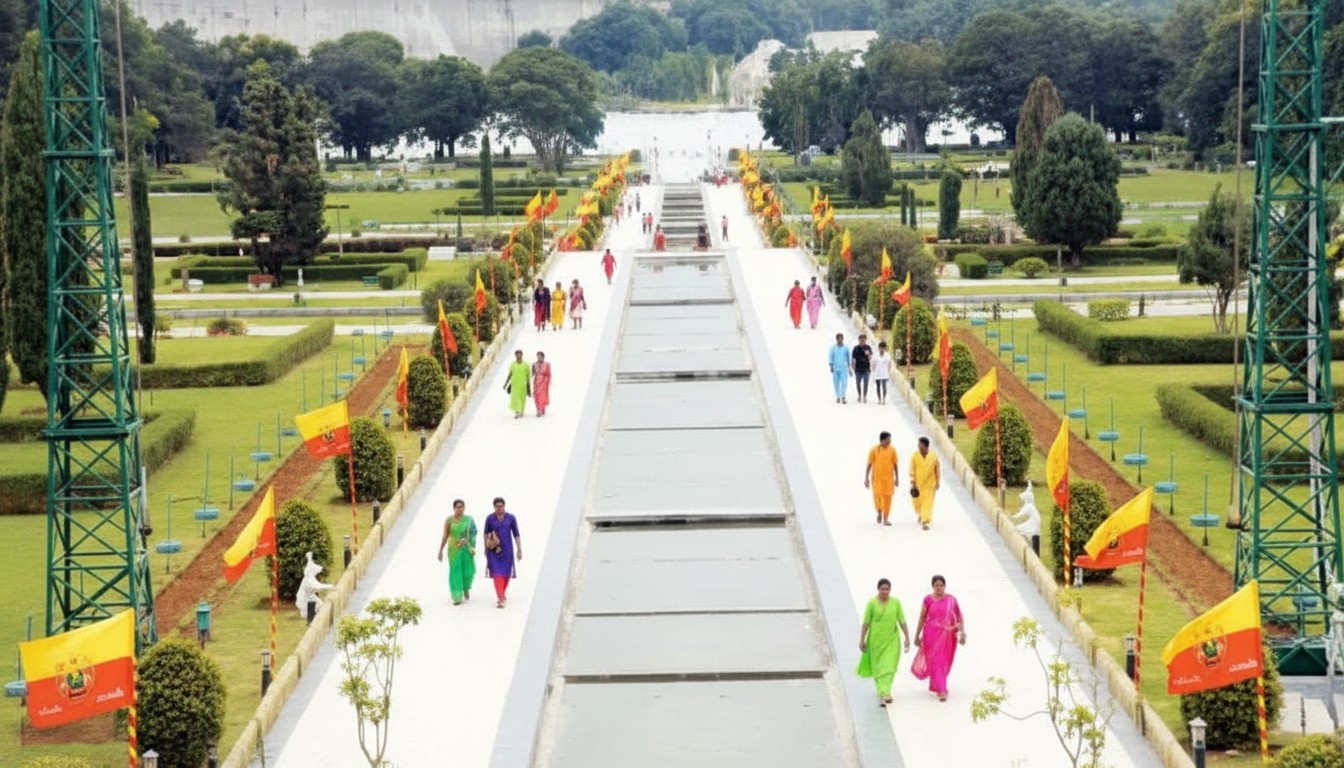
Located near the famous Krishna Raja Sagar Dam, Brindavan Gardens is one of India’s most beautifully designed terrace gardens. It was built under the guidance of Sir Mirza Ismail and is inspired by Mughal-style landscaping with symmetrical layouts, lush lawns, and flowing water channels.
Brindavan Gardens, located near Mysuru in Karnataka, is one of India’s most iconic and well-maintained gardens. Spread across a vast area below the Krishna Raja Sagar Dam, the garden is a perfect blend of natural beauty and human craftsmanship. Designed in a Mughal-style layout, it features terraced levels, geometric patterns, and flowing water channels that create a visually pleasing symmetry.
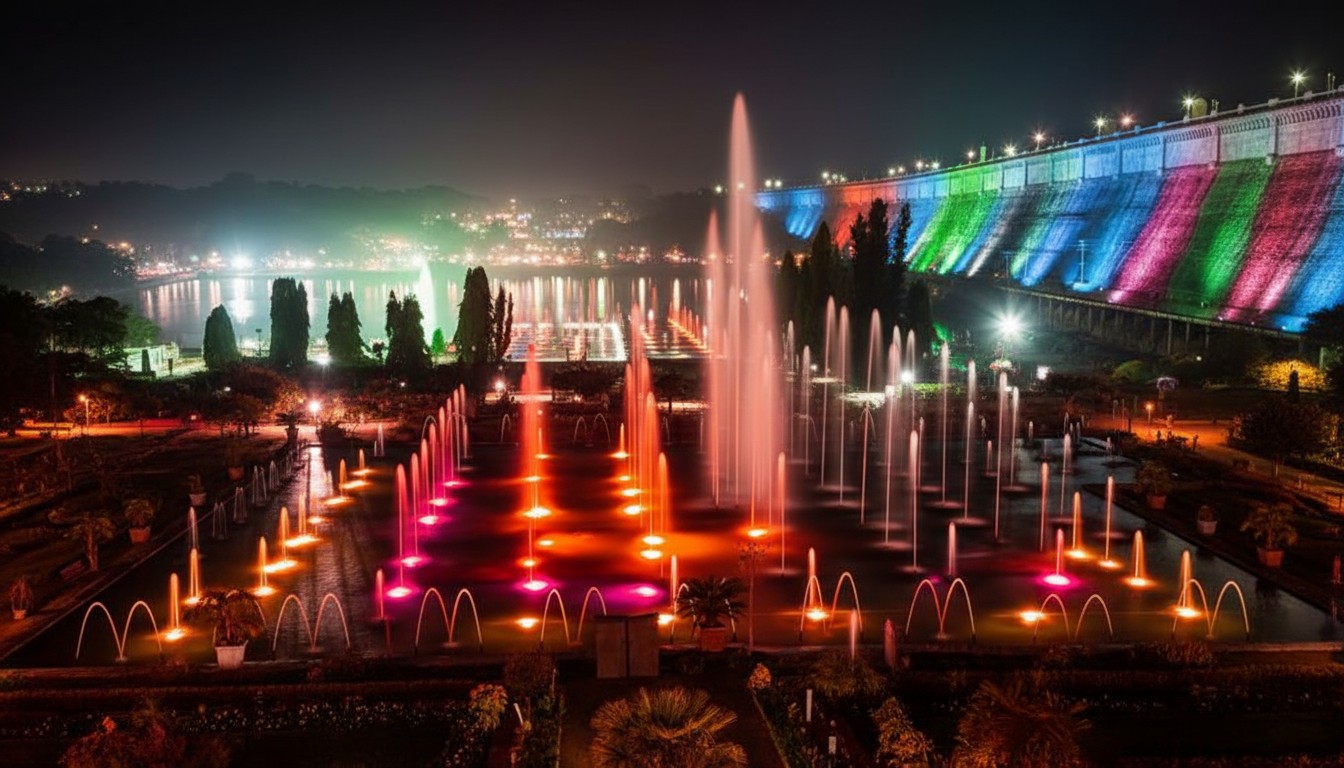
The garden is especially famous for its musical fountain show, which takes place in the evening. During this show, water jets dance in synchronization with music and colorful lights, creating a mesmerizing experience for visitors. This feature attracts thousands of tourists daily and is considered the highlight of the garden.
Brindavan Gardens is not just about fountains; it also offers lush green lawns, vibrant flower beds, and shaded walkways that make it ideal for relaxation and leisure walks. Visitors can enjoy boating near the dam, which adds to the overall experience. The view of the Krishna Raja Sagar Dam, especially during sunset, enhances the scenic charm of the place.
The garden is well-maintained and suitable for visitors of all age groups, making it a popular destination for families, couples, and photographers. Its peaceful environment combined with aesthetic beauty makes it a must-visit location in South India.
Overall, Brindavan Gardens represents a harmonious blend of engineering brilliance and natural elegance, offering visitors a refreshing escape from the hustle and bustle of city life.
🎯 Things to do
- Watch the Musical Fountain Show
- Evening photography of illuminated fountains
- Walk through terrace gardens
- Boating (when available)
- Relax in landscaped lawns
- Enjoy Cauvery dam views
📍 Near By
- Krishna Raja Sagara Dam (adjacent)
- Mysore Palace (~21 km)
- Chamundi Hills (~25 km)
- Srirangapatna (~18 km)
- Ranganathittu Bird Sanctuary (~20 km)
🛣️ How to Reach
By Air: Nearest airport is Kempegowda International Airport (~170 km).,
By Train: Closest railway station is Mysuru Junction (~20 km).,
By Road: Well connected via NH roads; buses and taxis are easily available from Mysuru and Bengaluru.
⭐ Why Visit
Famous for its musical fountain show in the evening,
Perfect blend of nature architecture and water engineering,
Ideal for family trips photography and peaceful walks,
One of the most popular tourist spots in South India
💡 Travel Tips
Visit during evening hours for the fountain show,
Best season: October to February (pleasant weather),
Carry water and comfortable footwear,
Avoid weekends if you prefer less crowd,
Entry fee is minimal; check timing in advance
🌟 Special Features
Terraced layout with symmetrical design,
Illuminated fountains synchronized with music,
Long stretches of green lawns and flowering plants,
Boat rides available near the dam,
Scenic view of KRS dam at sunset





Chamundi Hills
• Mysuru • Karnataka
Chamundi Hills rises to about 1,000 meters above sea level and is home to the revered Chamundeshwari Temple, dedicated to Goddess Chamundeshwari (a form of Durga). The hill is deeply rooted in mythology, especially the legend of Mahishasura, whom the goddess defeated—giving Mysuru its name.
Chamundi Hills, located near Mysuru in Karnataka, is a captivating blend of spirituality, history, and natural beauty. Rising majestically above the city, the hill is best known for the Chamundeshwari Temple, which attracts thousands of devotees every year. The temple is dedicated to Goddess Chamundeshwari, who is believed to have slain the demon Mahishasura, symbolizing the triumph of good over evil. This legend is deeply tied to the identity of Mysuru, making the hill a culturally significant landmark.
Apart from its religious importance, Chamundi Hills offers breathtaking panoramic views of Mysuru. Visitors can enjoy a serene environment, cool breeze, and scenic landscapes that make it an ideal getaway from city life. One of the major attractions on the way to the top is the massive Nandi statue, carved out of a single rock, which stands as a remarkable example of ancient craftsmanship.
The journey to Chamundi Hills can be as rewarding as the destination itself. While many prefer driving up the hill, adventure seekers often choose to climb the thousand steps leading to the temple, experiencing both physical challenge and spiritual fulfillment.
Chamundi Hills is especially vibrant during the Mysuru Dasara festival, when the entire area is beautifully illuminated and filled with cultural energy. Whether you seek devotion, history, or simply a peaceful retreat in nature, Chamundi Hills offers a memorable and enriching experience for every traveler.
🎯 Things to do
- Visit Chamundeshwari Temple
- Climb the 1000+ steps from base to top (spiritual trekking experience)
- See the giant Nandi Statue
- Enjoy panoramic city views
- Photography & sunset watching
- Visit Mahishasura statue near the temple
📍 Near By
- Mysore Palace (13 km)
- Brindavan Gardens (20 km)
- Sri Chamarajendra Zoological Gardens (Mysore Zoo)
- Karanji Lake
- Srirangapatna
🛣️ How to Reach
By Air: Nearest airport is in Bengaluru (~170 km).,
By Train: Mysuru Junction is well connected to major cities.,
By Road: Regular buses/ taxis and private vehicles go from Mysuru city to the hilltop.,
Steps Route: About 1000 steps from the foothill for trekking enthusiasts.
⭐ Why Visit
Spiritual significance and peaceful temple atmosphere,
Panoramic view of Mysuru city especially at sunrise/sunset,
Historical and mythological importance,
Ideal for photography and nature lovers
💡 Travel Tips
Visit early morning to avoid crowds,
Wear comfortable shoes if climbing steps,
Carry water and light snacks,
Respect temple rules and dress modestly,
Best time: October to March
🌟 Special Features
Huge statue of Nandi (one of the largest in India),
Mahishasura statue near the temple,
Cool climate and lush greenery,
Illuminated views during festivals like Dussehra


Nahargarh Fort
• Jaipur • Rajasthan
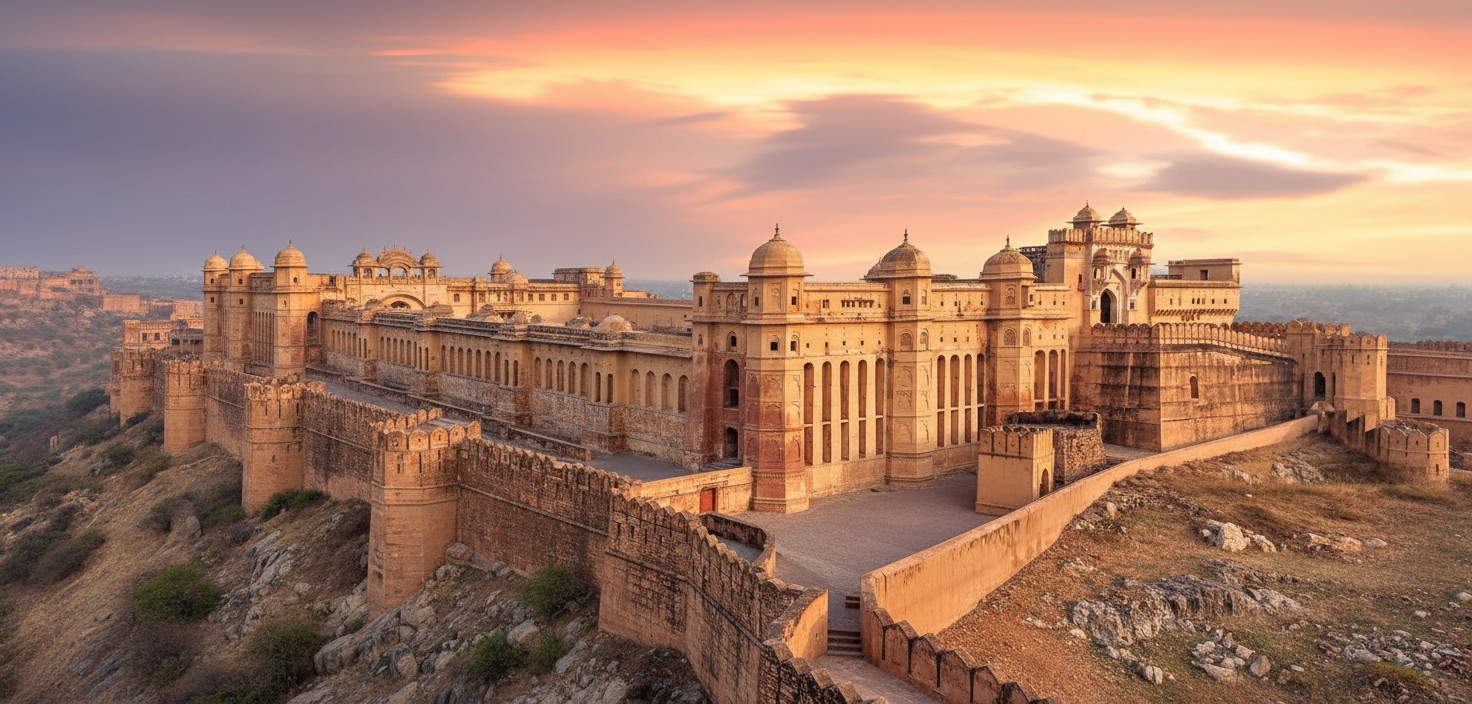
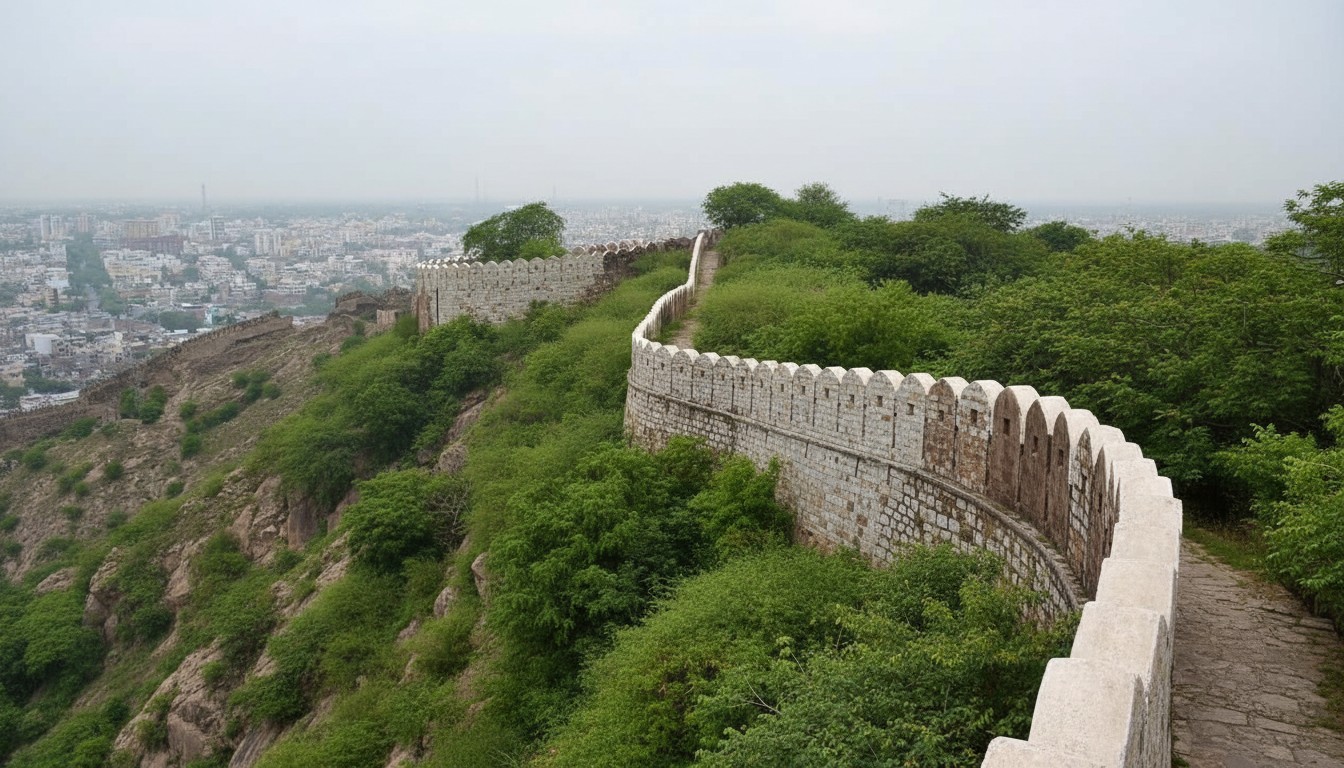
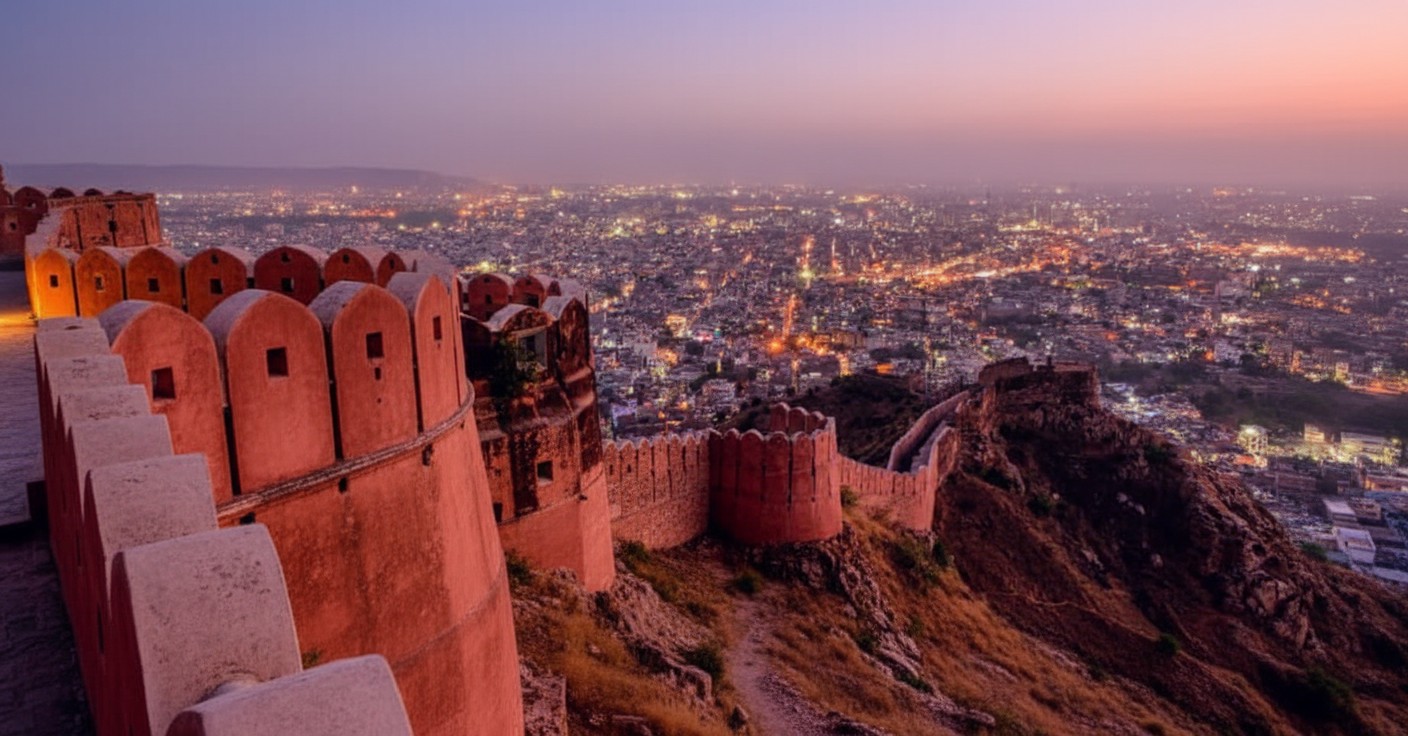
Perched on the rugged Aravalli Hills overlooking the Pink City of Jaipur, Nahargarh Fort is one of Rajasthan’s most famous historical attractions. Built in 1734 by Maharaja Sawai Jai Singh II, the fort originally served as a defensive structure to protect Jaipur from invading forces. The name “Nahargarh” means “abode of tigers,” and local legends say the fort was haunted by the spirit of Prince Nahar Singh, after whom it was named. Today, the fort is admired for its majestic architecture, panoramic city views, and rich Rajput history.
Nahargarh Fort stands proudly on the Aravalli Hills, forming an important part of Jaipur’s rich heritage and history. Constructed in 1734 by Maharaja Sawai Jai Singh II, the founder of Jaipur, the fort was initially designed to strengthen the defense of the city. Over the years, it evolved into a royal retreat where kings and queens spent their leisure time amidst nature and cool hilltop surroundings.
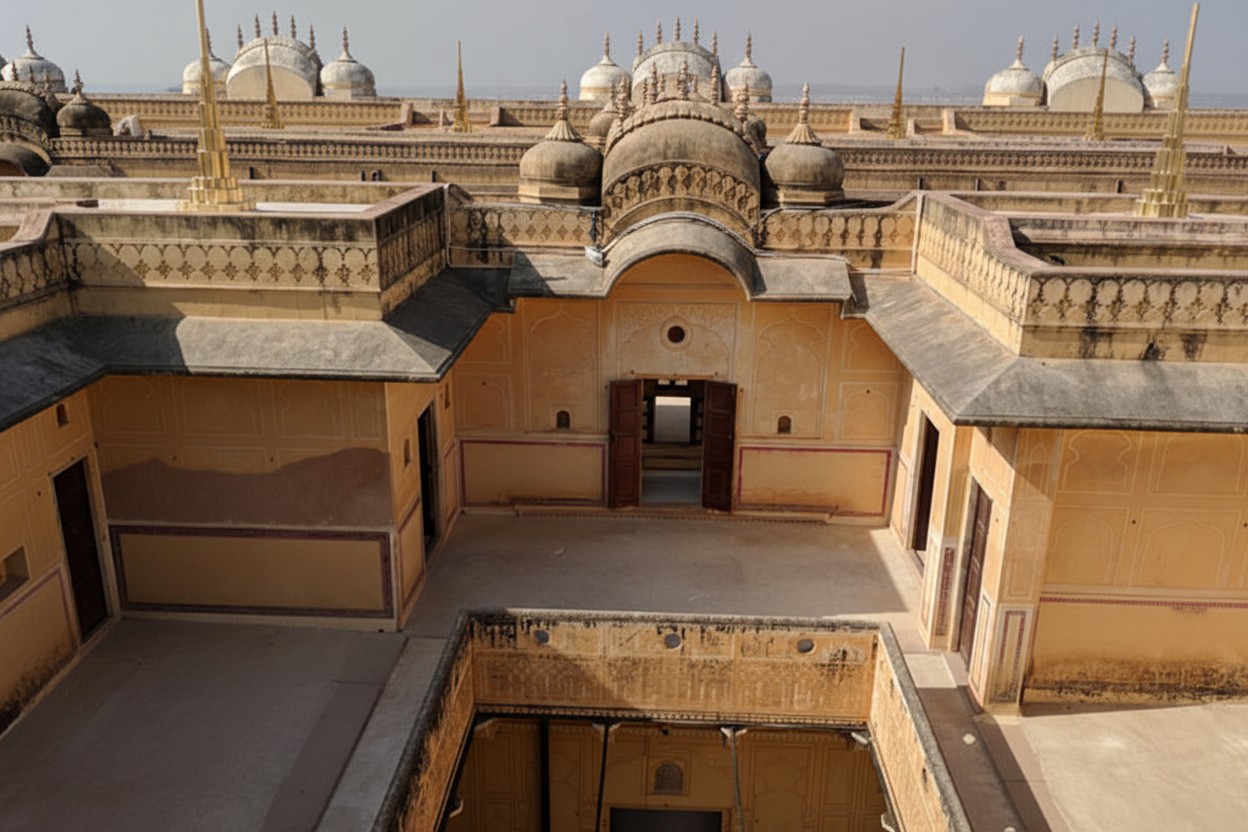
The fort combines Rajput and Indo-European architectural styles, featuring grand courtyards, decorative windows, elegant corridors, and beautifully painted interiors. One of its most admired sections is Madhavendra Bhawan, built by Maharaja Sawai Madho Singh for his queens. This palace consists of multiple identical suites connected by passages, showcasing the luxurious lifestyle of Rajasthan’s royal families.
Nahargarh Fort is especially popular for the breathtaking panoramic view it offers of Jaipur city. During sunset, the entire city glows in shades of gold and pink, creating a magical atmosphere for visitors and photographers. The fort also attracts adventure seekers who enjoy the scenic drive and trekking routes around the hills.
Apart from its historical significance, the fort has become a favorite destination for tourists seeking peace, culture, and photography. Several Bollywood films and music videos have been shot here due to its royal backdrop and scenic beauty. Whether exploring its historic chambers, enjoying the cool breeze from the hilltop, or admiring Jaipur’s skyline, Nahargarh Fort provides a memorable experience that reflects the grandeur and cultural richness of Rajasthan.
🎯 Things to do
- Enjoy panoramic Jaipur city views
- Explore Madhavendra Bhawan palace suites
- Visit the Wax Museum & Sheesh Mahal
- Sunset photography
- Visit nearby Jaigarh Fort
- Dine at the fort’s rooftop restaurant
- Enjoy cycling/trekking route up the hill
📍 Near By
- Jaigarh Fort – 6 km
- Amber Fort – 15 km
- Jal Mahal – 10 km
- Hawa Mahal – 8 km
- City Palace Jaipur – 8 km
- Jantar Mantar – 8 km
- Kanak Vrindavan Garden – 12 km
🛣️ How to Reach
By Air: The nearest airport is Jaipur International Airport, about 25 km away.,
By Train: Jaipur Junction Railway Station is around 18 km from the fort.,
By Road: Taxis, auto-rickshaws, and local buses are easily available from Jaipur city. The road to the fort winds through scenic hills and offers beautiful views.
⭐ Why Visit
Spectacular sunset views over Jaipur city.,
Historic Rajput architecture and royal interiors.,
Photography opportunities with scenic landscapes.,
Peaceful atmosphere away from city crowds.,
Popular cafés and viewpoints for relaxing evenings.
💡 Travel Tips
Visit during early morning or sunset for pleasant weather and stunning views.,
Carry water/ sunglasses and comfortable walking shoes.,
Avoid visiting during peak afternoon heat in summer.,
Keep your camera charged for panoramic photography.,
Weekdays are less crowded than weekends.
🌟 Special Features
Connected historically with Jaigarh Fort through underground passages.,
Features Madhavendra Bhawan a palace with beautifully designed suites for royal queens.,
Offers one of the best panoramic views of Jaipur.,
Famous shooting location for movies and music videos.






Jantar Mantar Jaipur
• Jaipur • Rajasthan
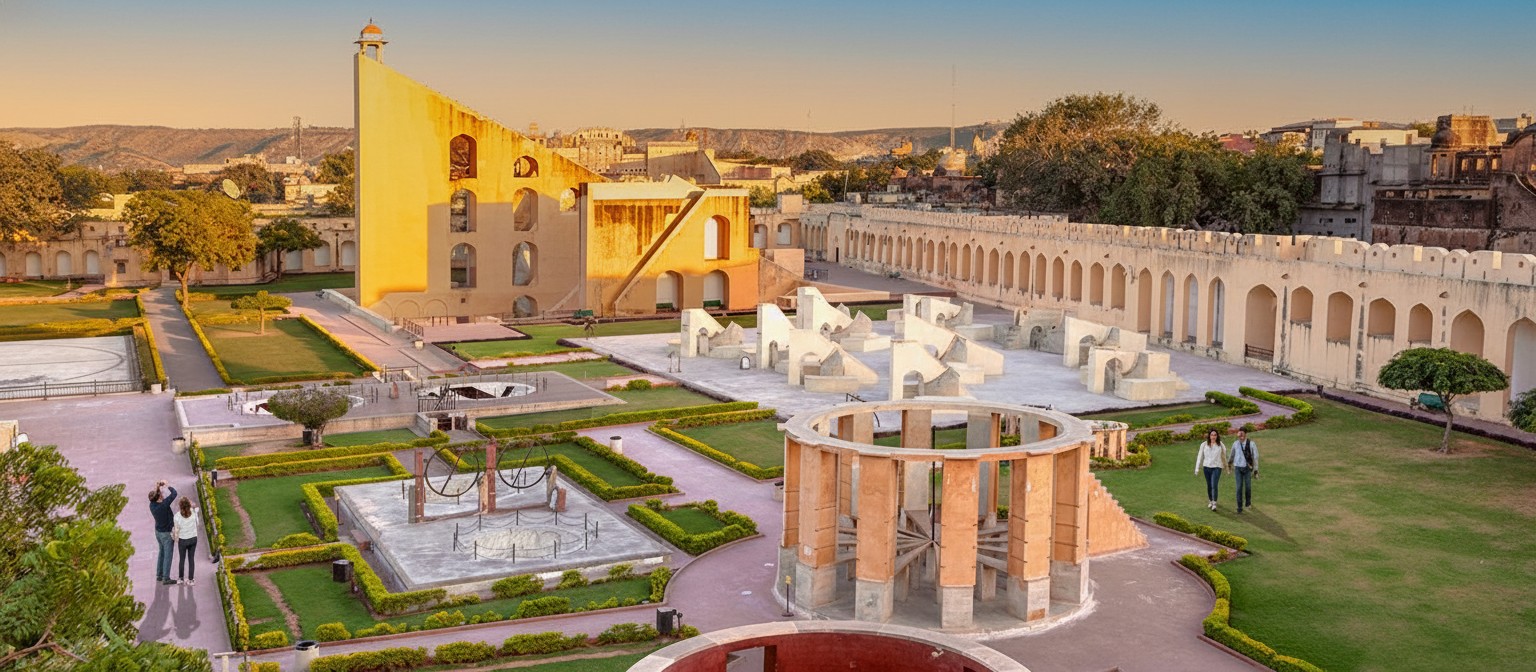
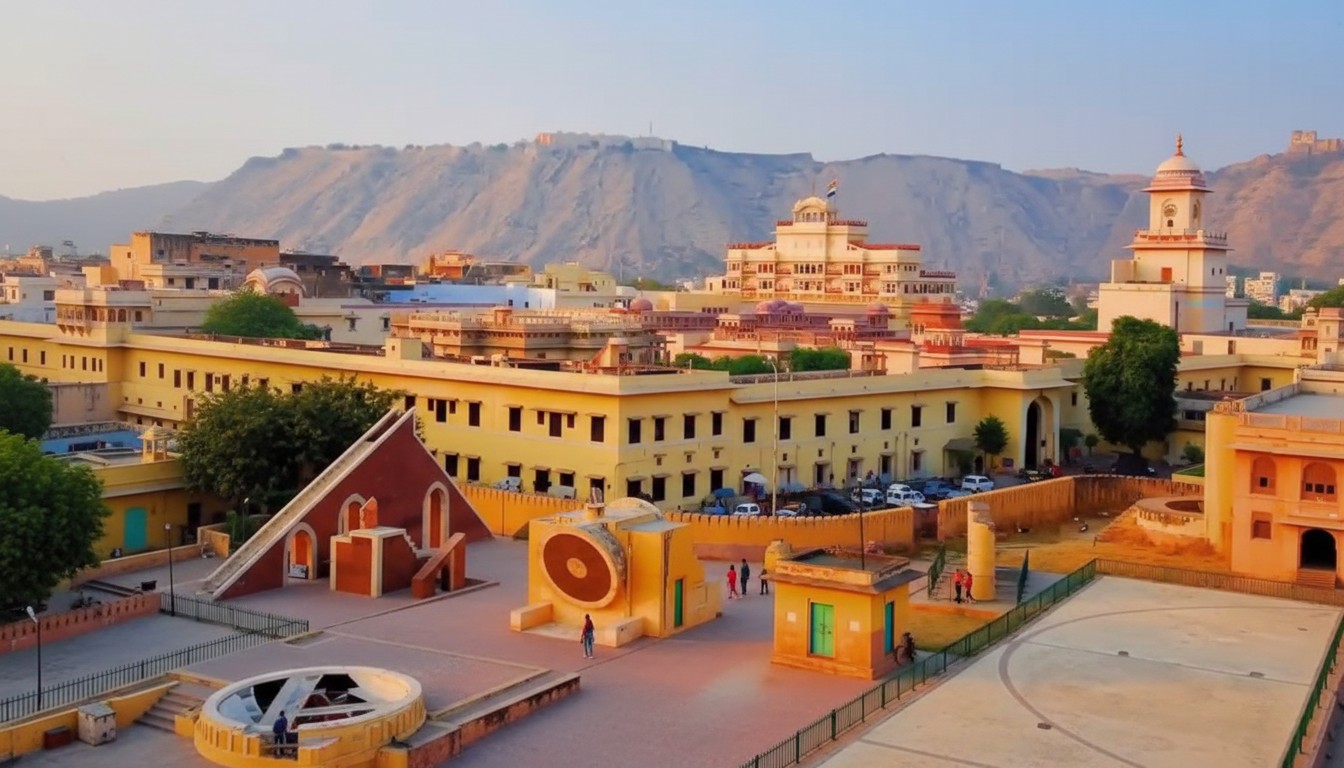
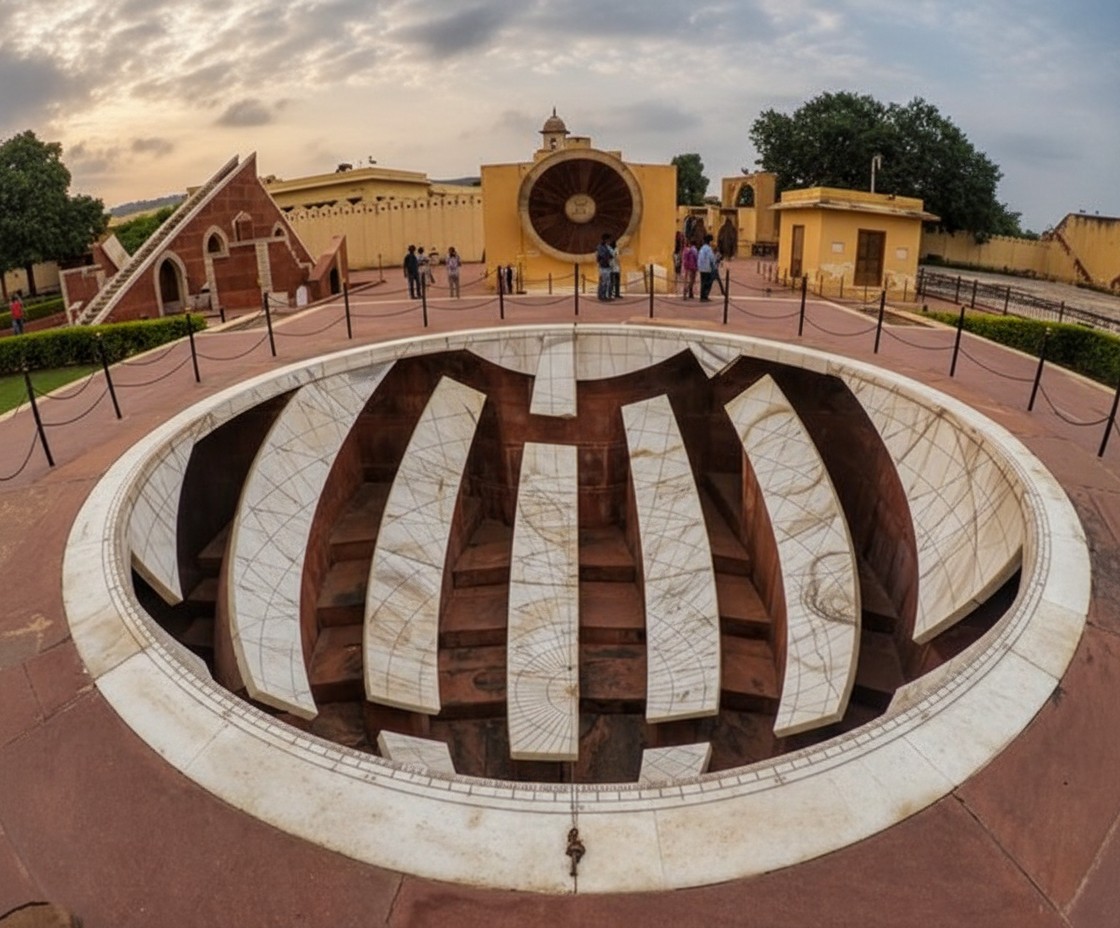
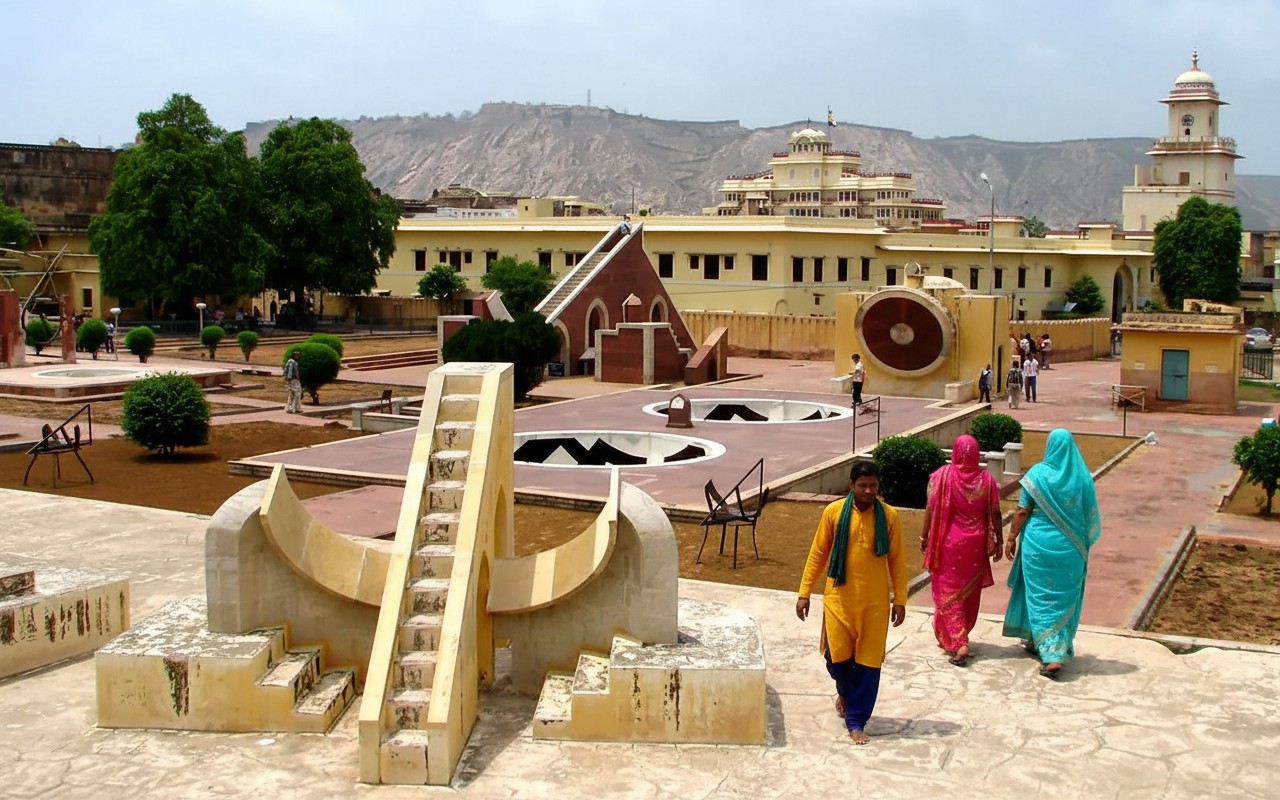
Jantar Mantar Jaipur is an 18th-century astronomical observatory built by Maharaja Sawai Jai Singh II. It features the world’s largest stone sundial and a collection of massive astronomical instruments used to measure time, track celestial bodies, and predict eclipses.
Jantar Mantar in Jaipur was constructed between 1728 and 1734 by Maharaja Sawai Jai Singh II, the founder of Jaipur. It is one of the five observatories built by him across India (others are in Delhi, Ujjain, Varanasi, and Mathura).
The observatory contains 19 large-scale astronomical instruments, each designed for specific calculations such as:
1..Measuring local time
2..Determining the position of stars and planets
3..Calculating eclipses
4..Tracking zodiac signs
5..Measuring altitude and azimuth
The most famous instrument is the Samrat Yantra, the world’s largest stone sundial, which can measure time with an accuracy of about 2 seconds.
The monument represents the fusion of science, astronomy, mathematics, and architecture during medieval India. Due to its outstanding universal value, it was declared a UNESCO World Heritage Site in 2010.
Today, it stands as one of Jaipur’s top attractions and an important scientific heritage site.
🎯 Things to do
- Explore the Samrat Yantra (giant sundial)
- Observe instruments like Jai Prakash Yantra & Ram Yantra
- Take a guided tour to understand astronomical concepts
- Photography of massive geometric structures
- Learn about ancient Indian astronomy
- Combine visit with nearby Jaipur heritage sites
📍 Near By
- City Palace Jaipur (Adjacent)
- Hawa Mahal (300 meters)
- Govind Dev Ji Temple
- Johari Bazaar (Shopping market)
- Albert Hall Museum (2.5 km)
- Nahargarh Fort (6 km)
- Amber Fort (11 km)
🛣️ How to Reach
By Air: The nearest airport is Jaipur International Airport around 12 km away.,
By Train: Reach Jaipur Junction Railway Station and take a taxi auto-rickshaw or bus.,
By Road: Jaipur is well connected by highways from Delhi Agra and other major cities.
⭐ Why Visit
Explore ancient Indian astronomy and science.,
Experience unique architectural and mathematical designs.,
Enjoy photography of massive geometric instruments.,
Learn how people measured time before modern technology.,
Located near popular attractions like Hawa Mahal and City Palace.
💡 Travel Tips
Visit early morning or evening to avoid heat.,
Hire a guide to understand the instruments better.,
Carry water sunglasses and comfortable footwear.,
Combine the visit with nearby heritage attractions.
🌟 Special Features
World’s largest stone sundial.,
UNESCO World Heritage recognition.,
Scientific instruments built entirely from stone and marble.,
Blend of astronomy mathematics and architecture.