Tourist Sites Near Me – Best Places to Visit Nearby
Lalbagh Botanical Garden
• Bengaluru • Karnataka
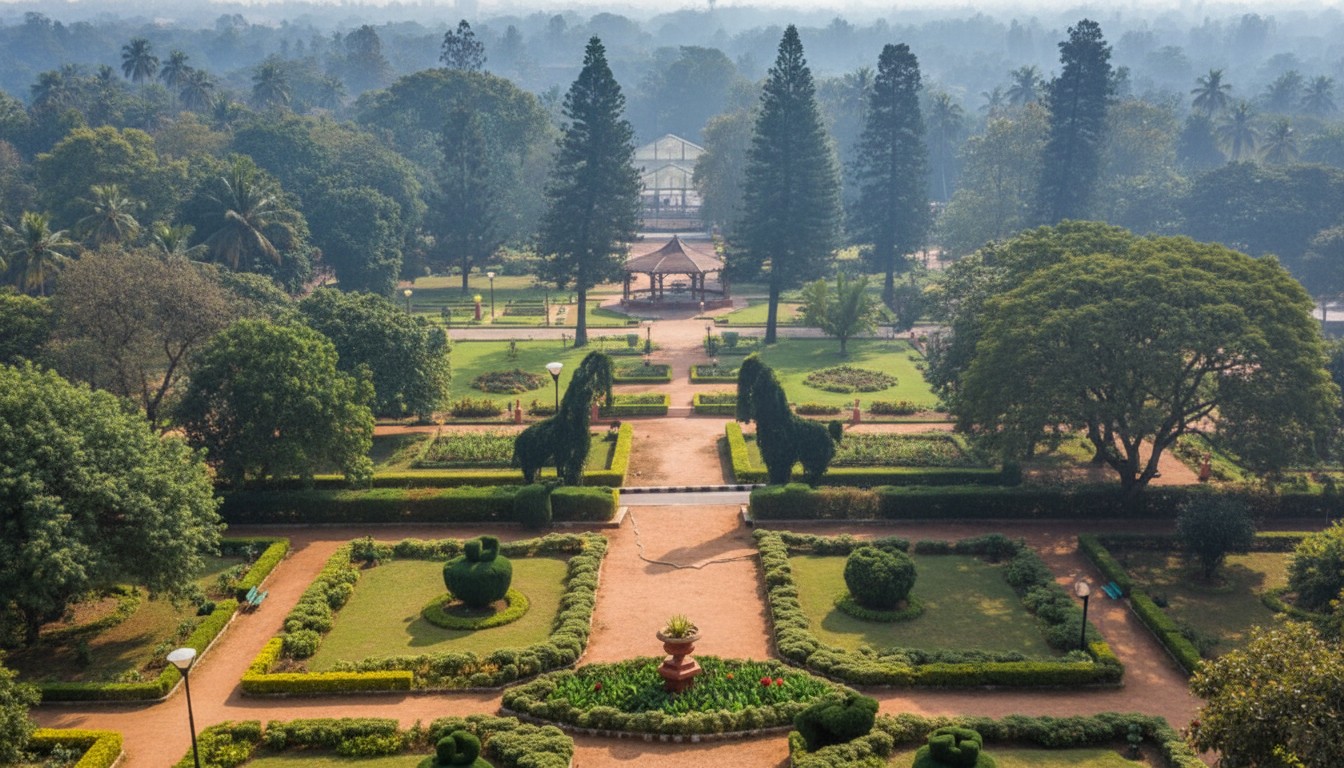
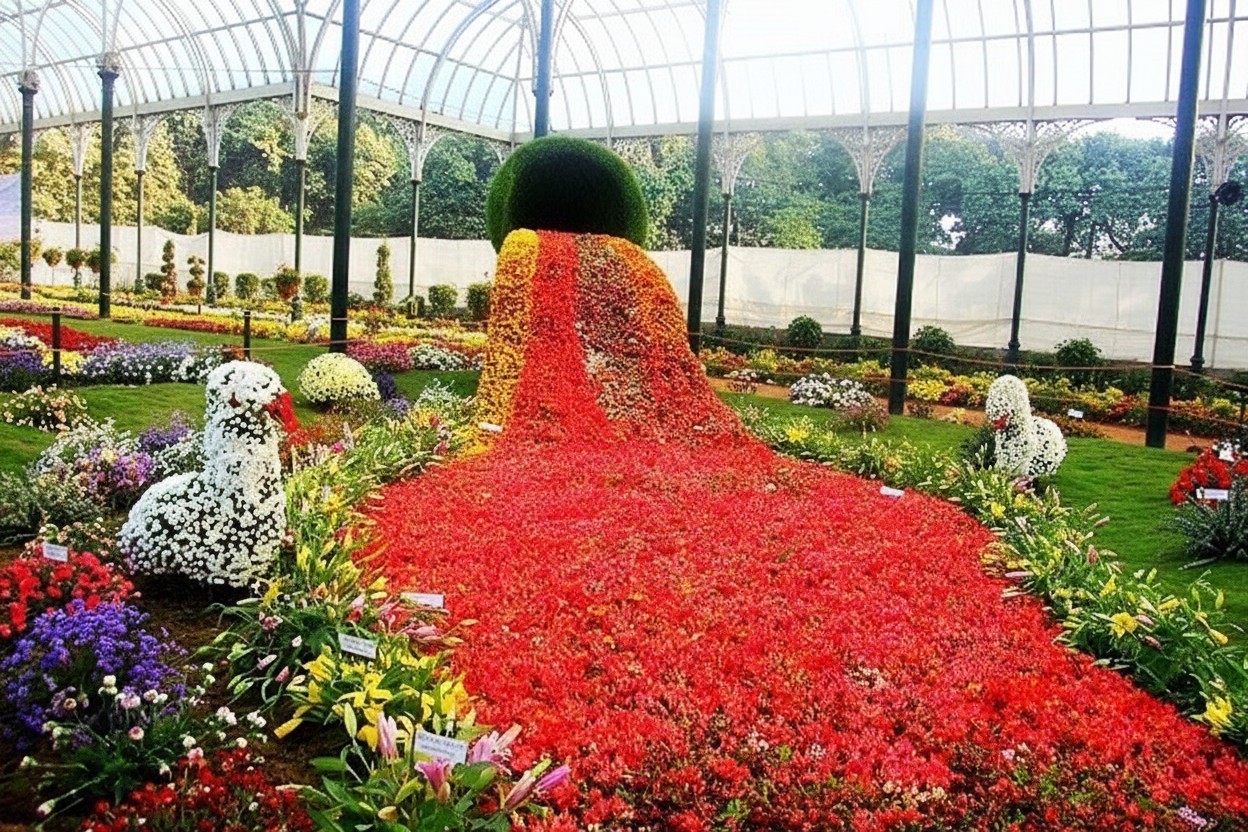
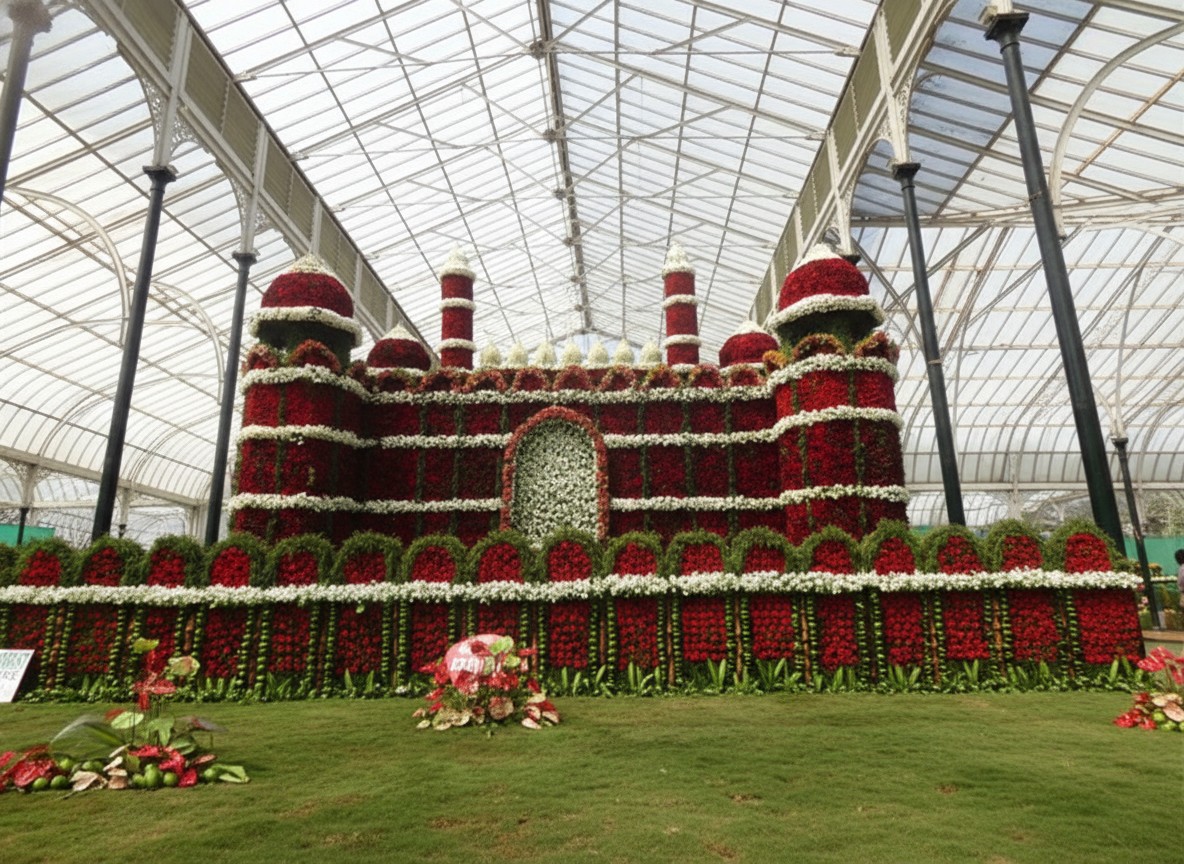
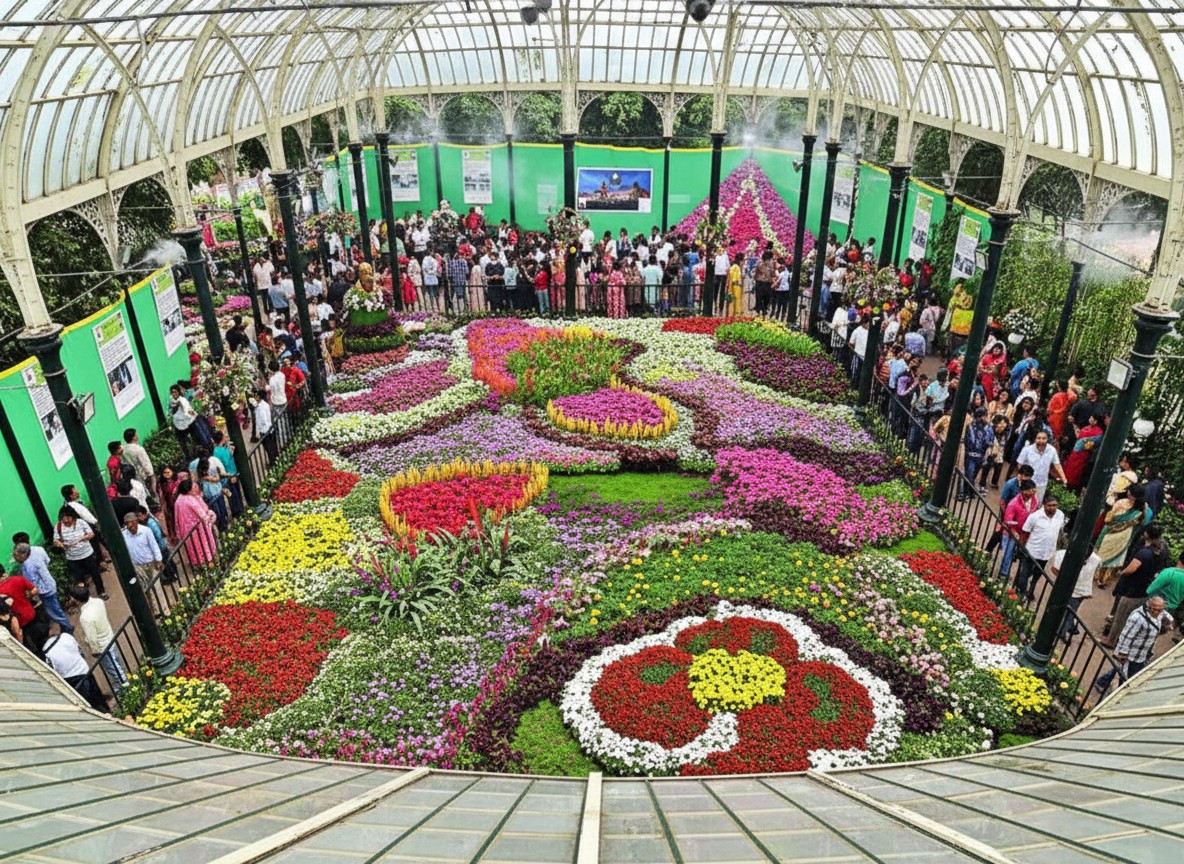
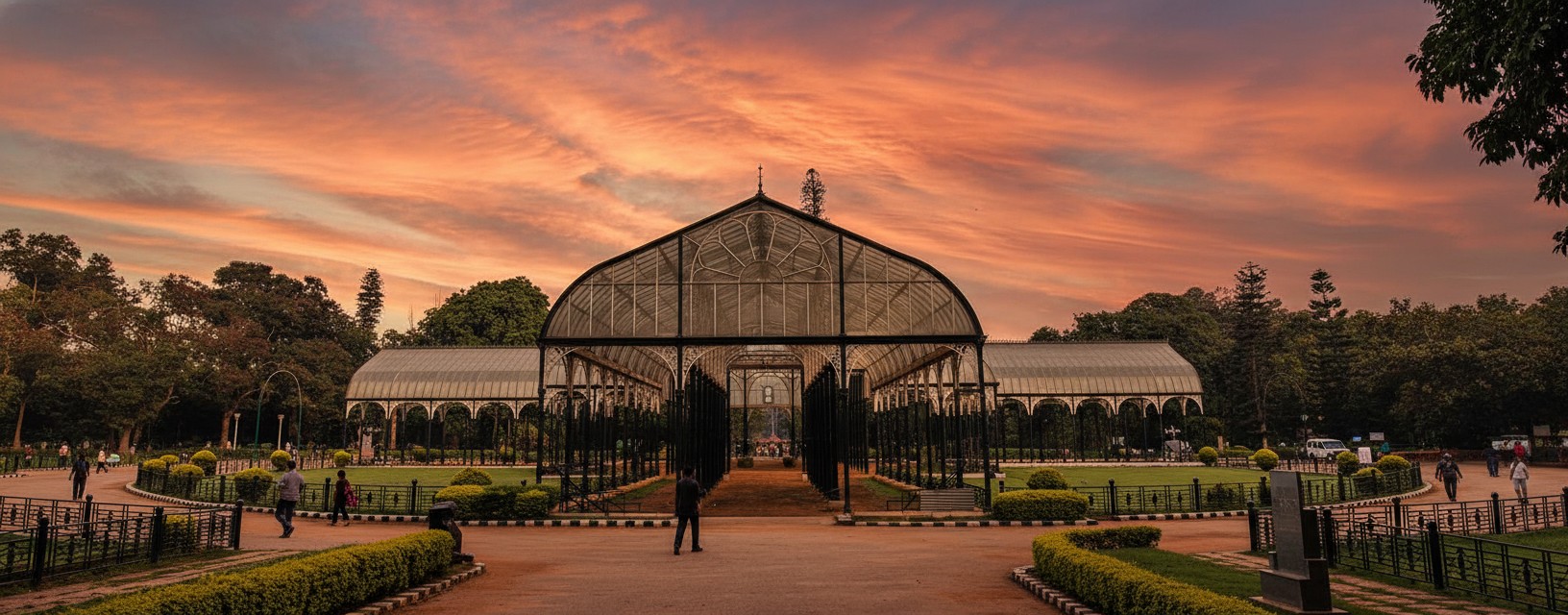
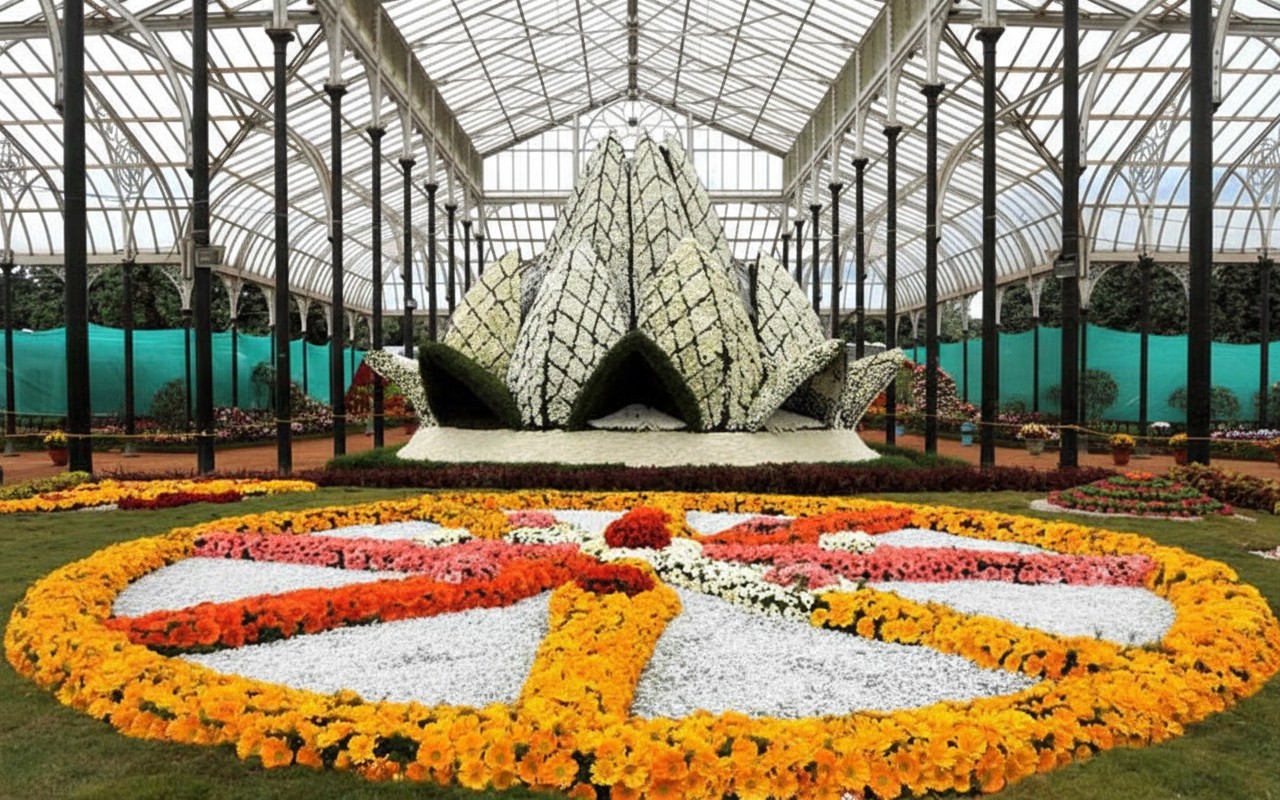
Lalbagh Botanical Garden is one of India’s most famous botanical gardens, spread across nearly 240 acres in Bengaluru. Originally commissioned by Hyder Ali in the 18th century and later expanded by Tipu Sultan, the garden is renowned for its rare plant species, peaceful lakes, centuries-old trees, and beautifully landscaped lawns. The iconic Glass House, inspired by London’s Crystal Palace, hosts the popular flower shows during national festivals.
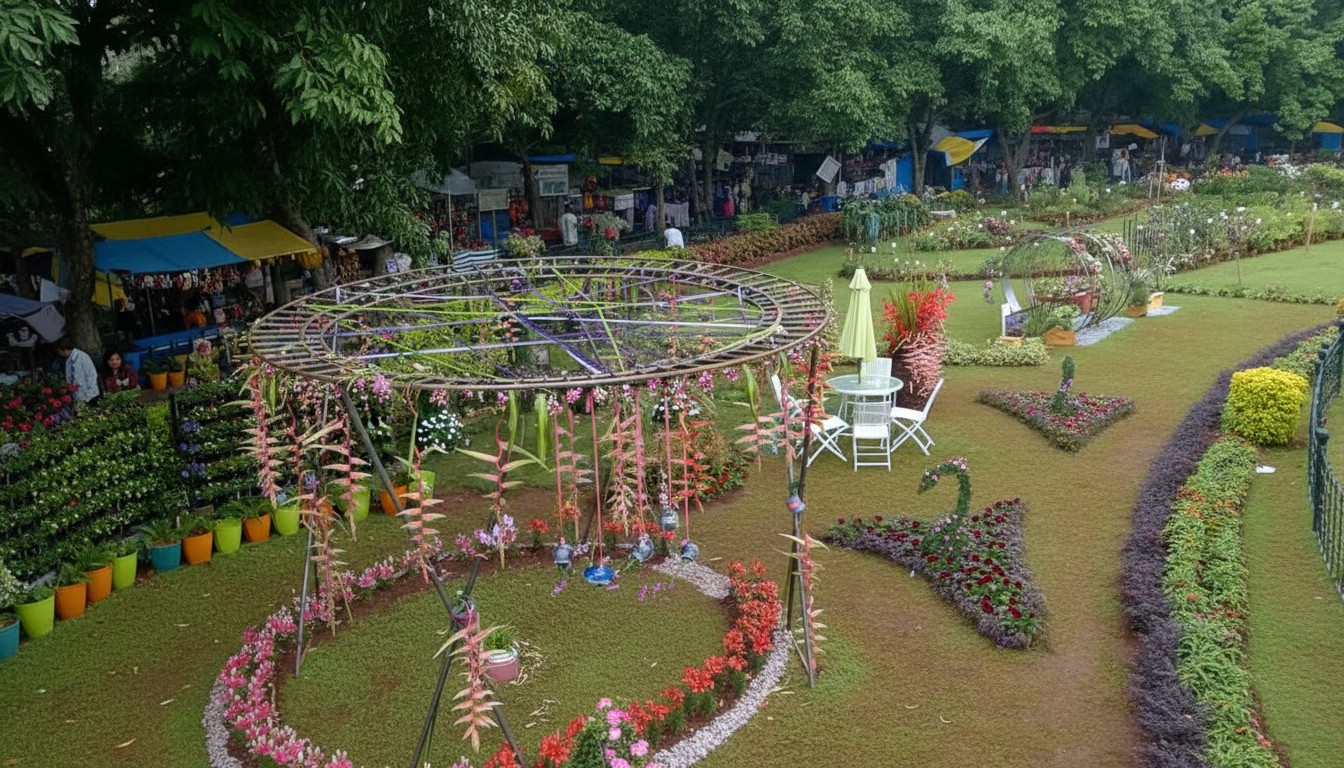
Lalbagh Botanical Garden is a magnificent botanical paradise located in the heart of Bengaluru, Karnataka. Known for its lush greenery, colorful flower beds, and peaceful environment, Lalbagh is one of the most visited tourist attractions in South India. The garden was started during the reign of Hyder Ali and later developed extensively by Tipu Sultan, who introduced many exotic plants from different countries.
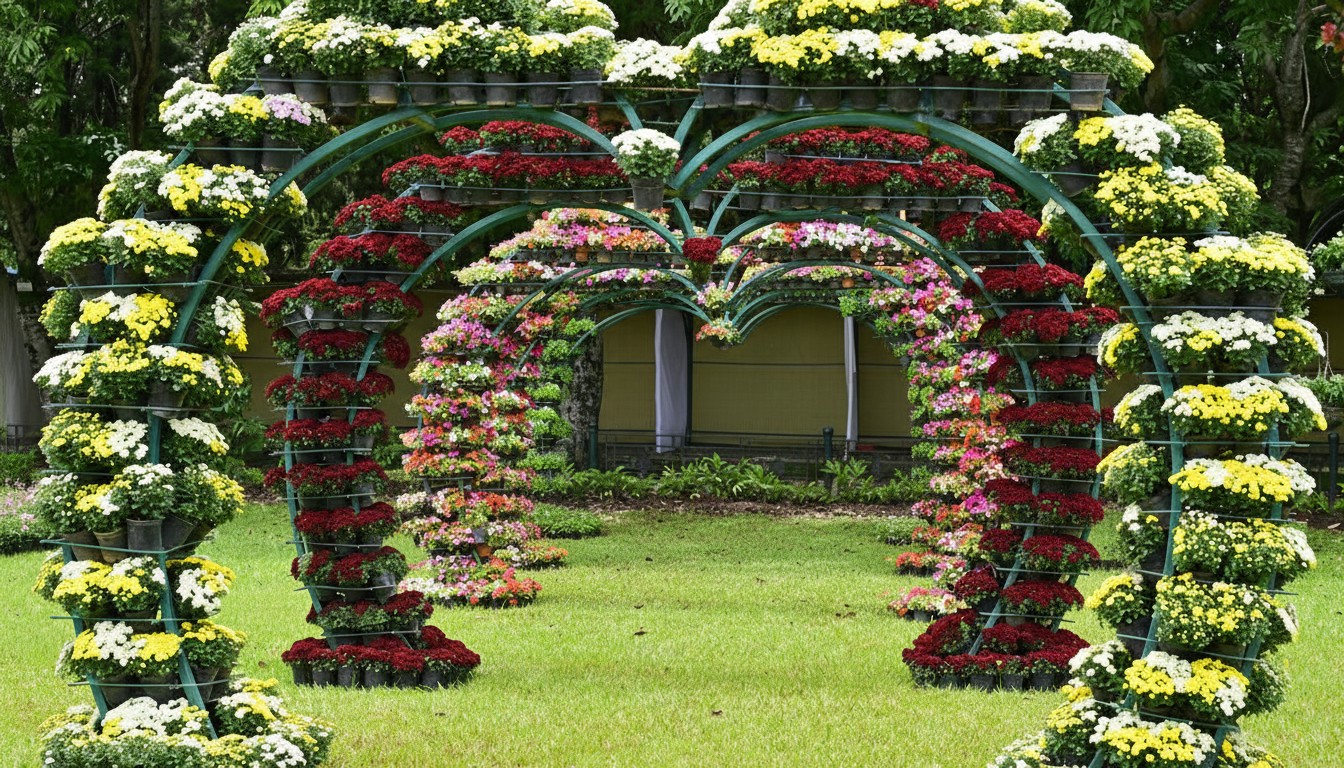
Spread over 240 acres, Lalbagh houses thousands of species of plants, trees, herbs, and flowers. One of the main attractions of the garden is the famous Glass House, a beautiful structure inspired by London’s Crystal Palace. The Glass House becomes especially vibrant during the annual flower shows held on Republic Day and Independence Day, attracting visitors from across the country.
🌳 Over 1,800 species of plants
🌺 Rare tropical and subtropical plants
🌴 Ancient trees over 100 years old
🌼 India’s largest collection of tropical plants
🌟 Major Highlights
1️⃣ Glass House
Inspired by London’s Crystal Palace, built in 1889. It hosts the famous biannual flower shows during:
Republic Day (January)
Independence Day (August)
2️⃣ Lalbagh Rock
A 3,000-million-year-old geological formation (one of the oldest rocks on Earth).
3️⃣ Lake & Lotus Pond
Peaceful area ideal for relaxation and photography.
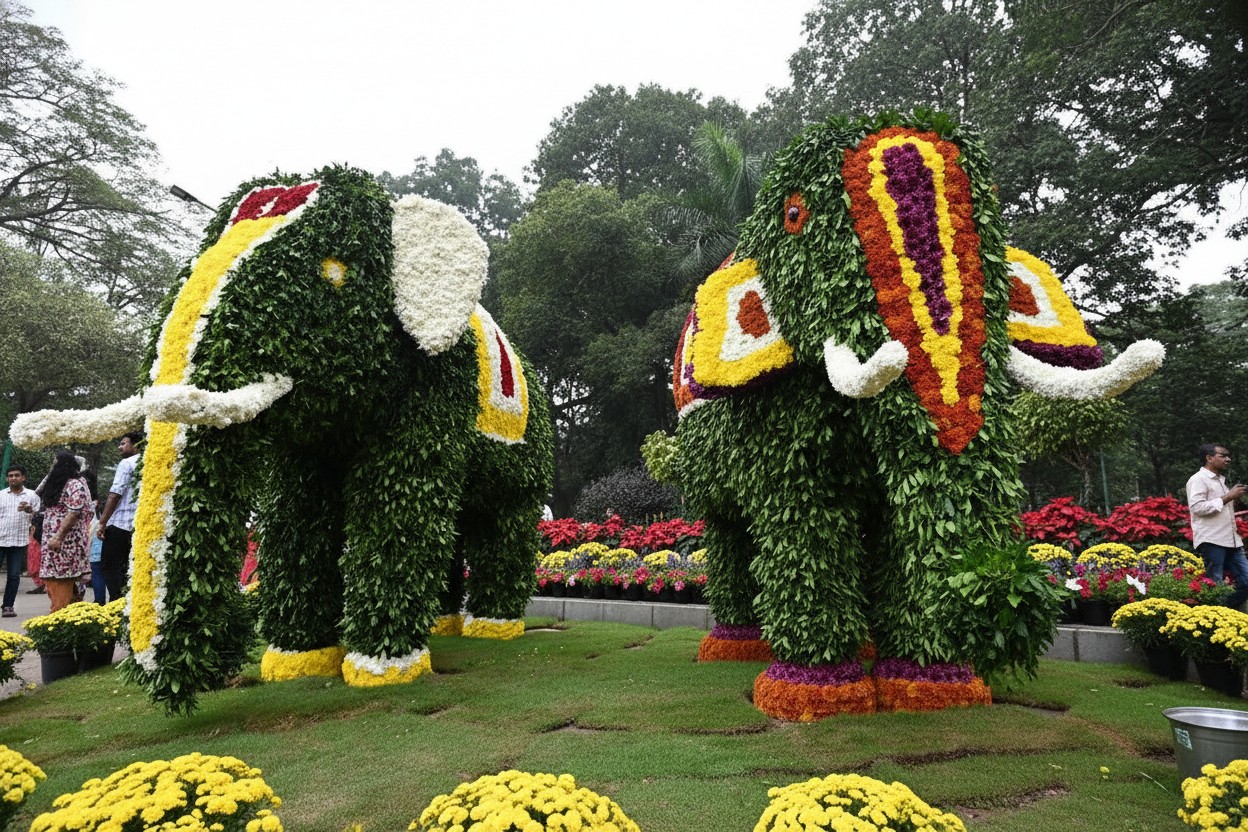
4️⃣ Bonsai Garden & Topiary Collection
Beautifully maintained miniature trees and shaped shrubs.
5️⃣ Kempegowda Tower
One of the four watch towers built by the founder of Bengaluru.
Lalbagh plays an important role in plant
🎯 Things to do
- ✔️ Morning walk or jogging
- ✔️ Visit the Glass House
- ✔️ Attend flower exhibitions
- ✔️ Photography (flowers/ landscapes/birds)
- ✔️ Visit Lalbagh Lake
- ✔️ Explore Bonsai Garden
- ✔️ Enjoy family picnic
- ✔️ Educational plant tours.
📍 Near By
- Cubbon Park – ~5 km
- Bangalore Palace – ~7 km
- ISKCON Temple Bengaluru – ~12 km
- Visvesvaraya Industrial & Technological Museum – ~5 km
- Bannerghatta National Park – ~22 km.
🛣️ How to Reach
By Air: The nearest airport is Kempegowda International Airport about 35 km away.,
By Train: The nearest railway station is KSR Bengaluru City Railway Station around 6 km away.,
By Road: Taxis auto-rickshaws and app-based cabs are easily available.,
By Metro: The easiest option is the Bengaluru Metro Green Line. Get down at Namma Metro Lalbagh Station.,
By Bus: BMTC buses regularly connect Lalbagh from all major parts of Bengaluru.
⭐ Why Visit
Experience rich biodiversity and exotic plants.,
Enjoy peaceful morning walks and photography.,
Witness the famous flower exhibitions.,
Explore historical attractions like Lalbagh Rock and Glass House.,
Ideal for nature lovers families joggers and tourists.
💡 Travel Tips
Visit early morning or evening for pleasant weather.,
Carry water sunscreen and comfortable walking shoes.,
Best time to visit: October to February.,
Flower shows during Independence Day and Republic Day are highly recommended.,
Maintain cleanliness and avoid plucking flowers.
🌟 Special Features
Historic Glass House.,
Rare tropical and subtropical plants.,
A 3000-million-year-old rock formation.,
Beautiful lake with birds and lotus flowers.,
Large bonsai garden and rose garden.



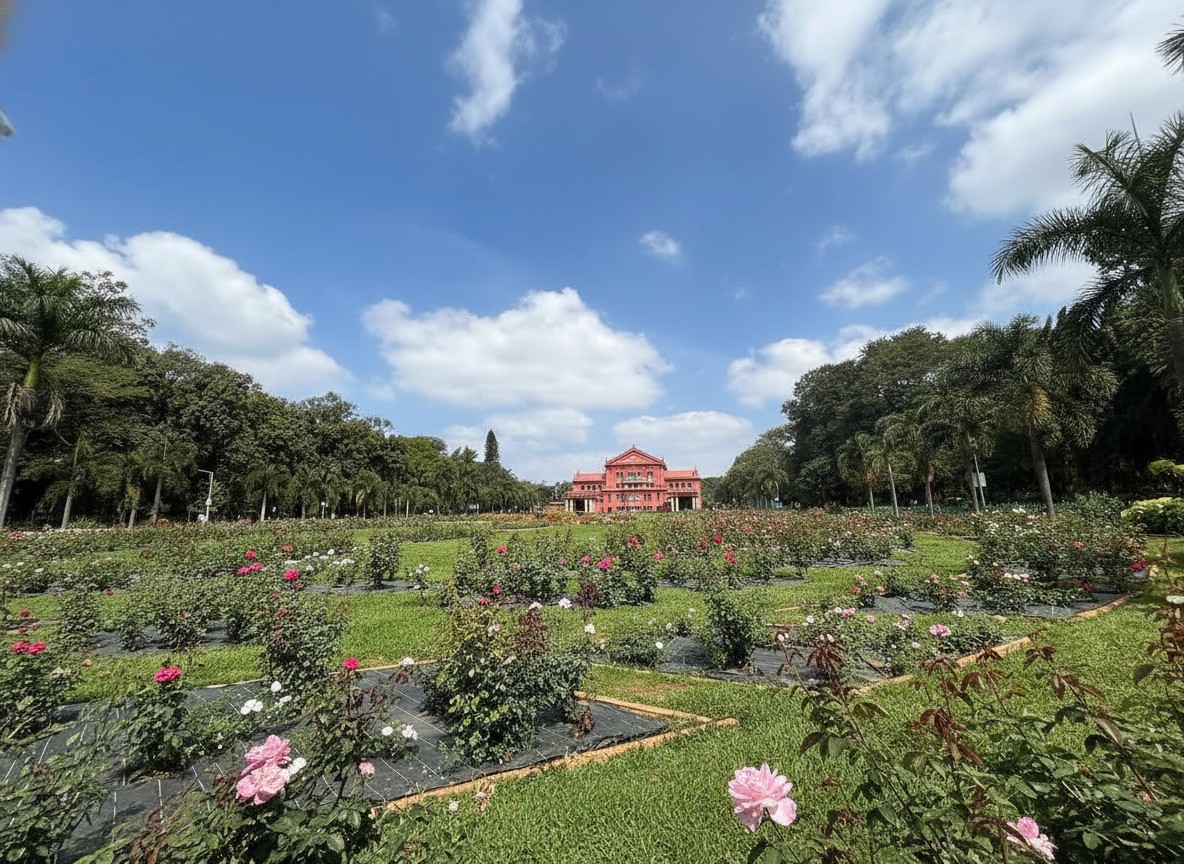
Cubbon park
• Bengaluru • Karnataka
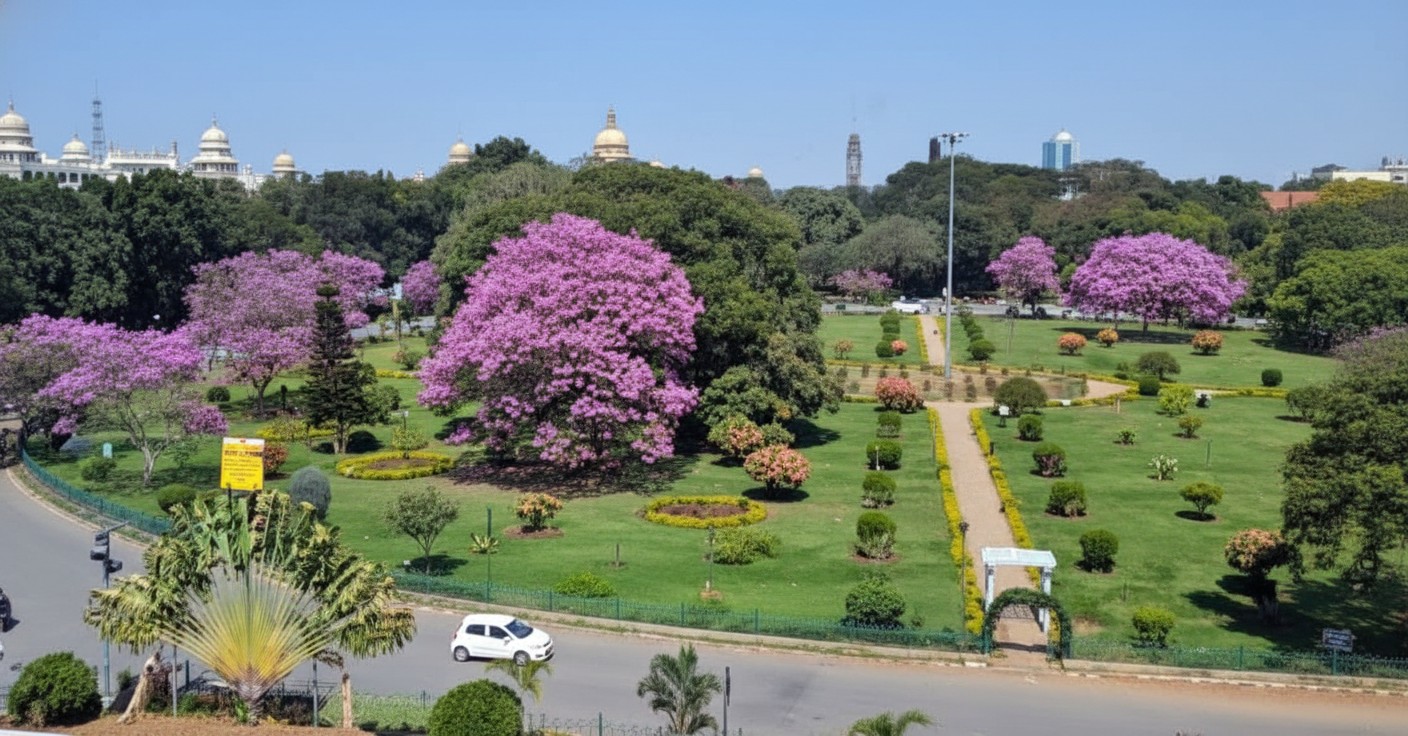
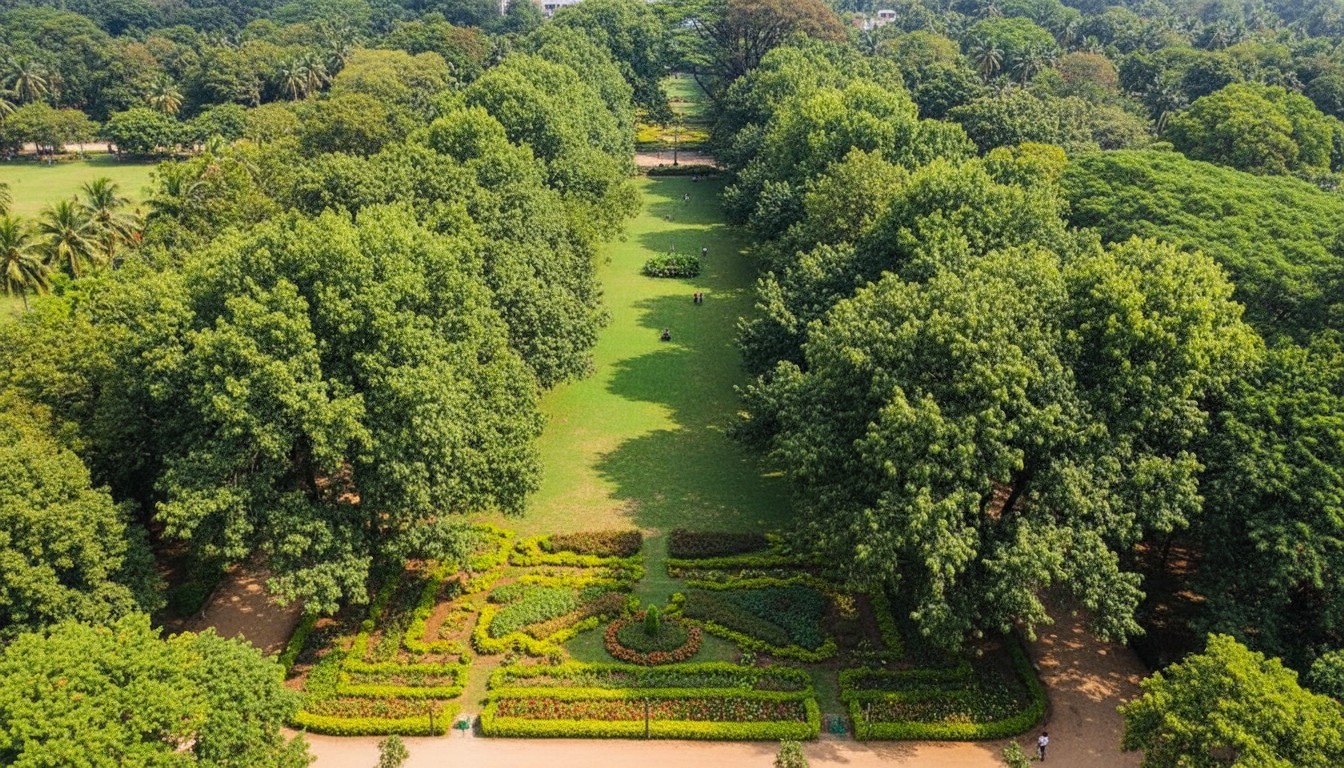
Cubbon Park is one of the most famous green spaces in Bengaluru. Spread across nearly 300 acres in the heart of the city, the park was established in 1870 during the British era and is named after Sir Mark Cubbon, a former commissioner of Mysore. Filled with large trees, colorful flower beds, walking paths, and historic buildings, the park offers a peaceful escape from Bengaluru’s busy urban life. It is a favorite destination for morning walkers, joggers, photographers, families, and tourists.
Cubbon Park is a beautiful and historic park located in the center of Bengaluru. Known as the “green lung” of the city, the park covers a vast area filled with tall trees, flowering plants, bamboo groves, and wide walking paths. Established in 1870, it has become one of the most loved tourist attractions and recreational spaces in Bengaluru. The calm atmosphere of the park provides relief from the fast-moving city life and offers visitors a refreshing natural environment.
The park is famous for its well-maintained gardens, natural beauty, and peaceful surroundings. Early mornings are especially lively, with joggers, yoga groups, cyclists, and nature lovers enjoying the fresh air. Families often visit during weekends for picnics and relaxation. Children enjoy the toy train rides and open play areas available inside the park.
Several important landmarks are located within or near the park, including the red-colored State Central Library, museums, statues, and government buildings. The rich greenery also attracts many species of birds, making it a good spot for birdwatching and photography.
Cubbon Park is easily accessible through metro, buses, taxis, and auto-rickshaws, making it convenient for tourists. The best time to visit is during the early morning or evening when the weather is cool and pleasant. Whether someone wants to exercise, relax, spend time with family, or enjoy nature photography, Cubbon Park provides a perfect experience. Its combination of history, greenery, and recreation makes it one of the most important and beautiful parks in Bengaluru.
🎯 Things to do
- Morning walk / jogging
- Nature & heritage photography
- Relax under tree shade
- Yoga & meditation
- Family picnic
- Visit State Central Library
- Explore Government Museum & Visvesvaraya Industrial Museum nearby
- Cycling (on designated days/areas).
📍 Near By
- Vidhana Soudha – 1 km
- Bangalore Palace – 4 km
- Lalbagh Botanical Garden – 5 km
- UB City Mall – 1 km
- Visvesvaraya Industrial & Technological Museum – Inside park area
- MG Road & Brigade Road – 2 km.
🛣️ How to Reach
By Air: The nearest airport is Kempegowda International Airport about 35 km away. Taxis and airport buses are easily available.,
By Train: The nearest railway station is KSR Bengaluru City Railway Station around 5 km from the park.,
By Road: Local buses taxis and auto-rickshaws connect the park to all parts of Bengaluru.,
By Metro: The easiest way is via the Namma Metro. Cubbon Park and Vidhana Soudha metro stations are very close to the park.
⭐ Why Visit
Peaceful environment with fresh air and greenery,
Ideal for walking jogging and cycling,
Excellent place for photography and relaxation,
Home to historic structures like the State Central Library and museums,
Popular picnic spot for families and tourists
💡 Travel Tips
Visit early morning or evening for pleasant weather.,
Wear comfortable walking shoes.,
Carry water especially during summer.,
Avoid littering to maintain cleanliness.,
Weekdays are less crowded than weekends.
🌟 Special Features
Dense collection of rare plants and trees,
Red-colored State Central Library building,
Children’s play areas and toy train rides,
Birdwatching opportunities,
Nearby attractions include Vidhana Soudha and museums




Kapaleeshwarar Temple
• Chennai • Tamil Nadu
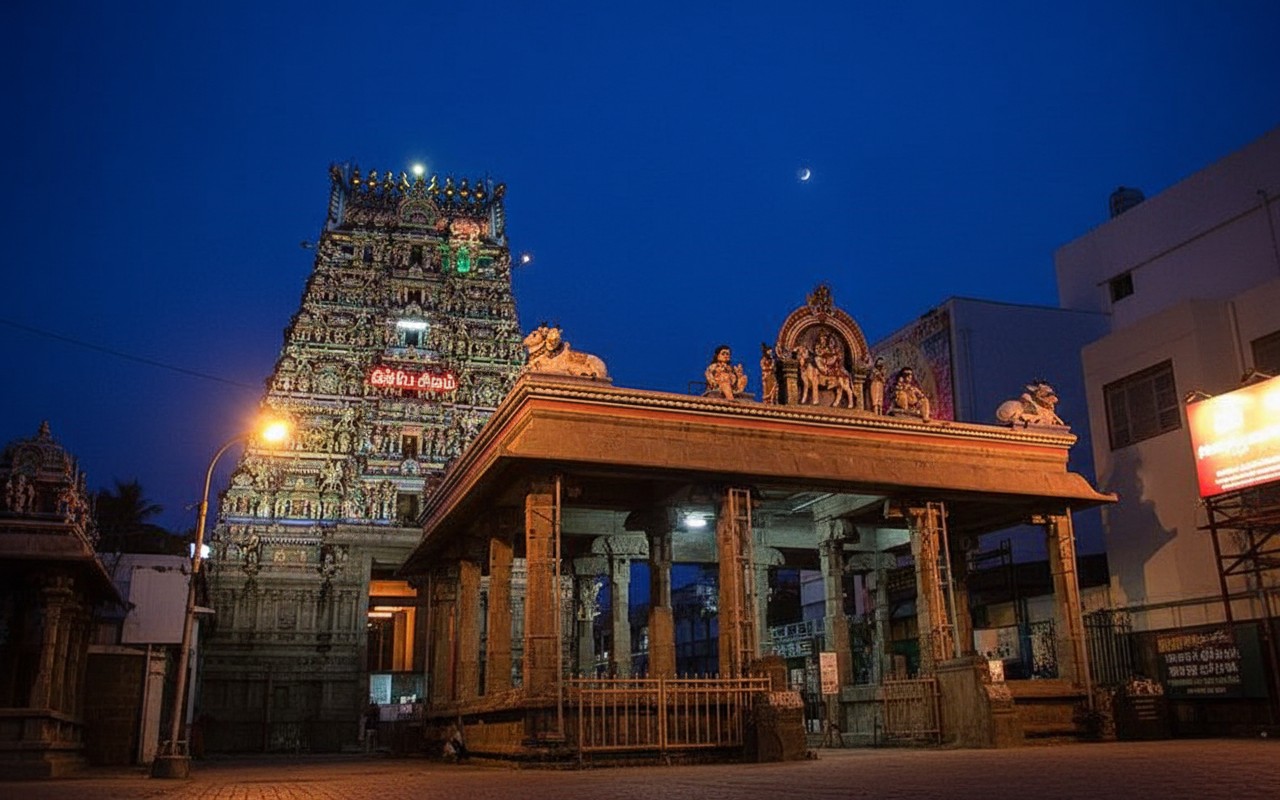
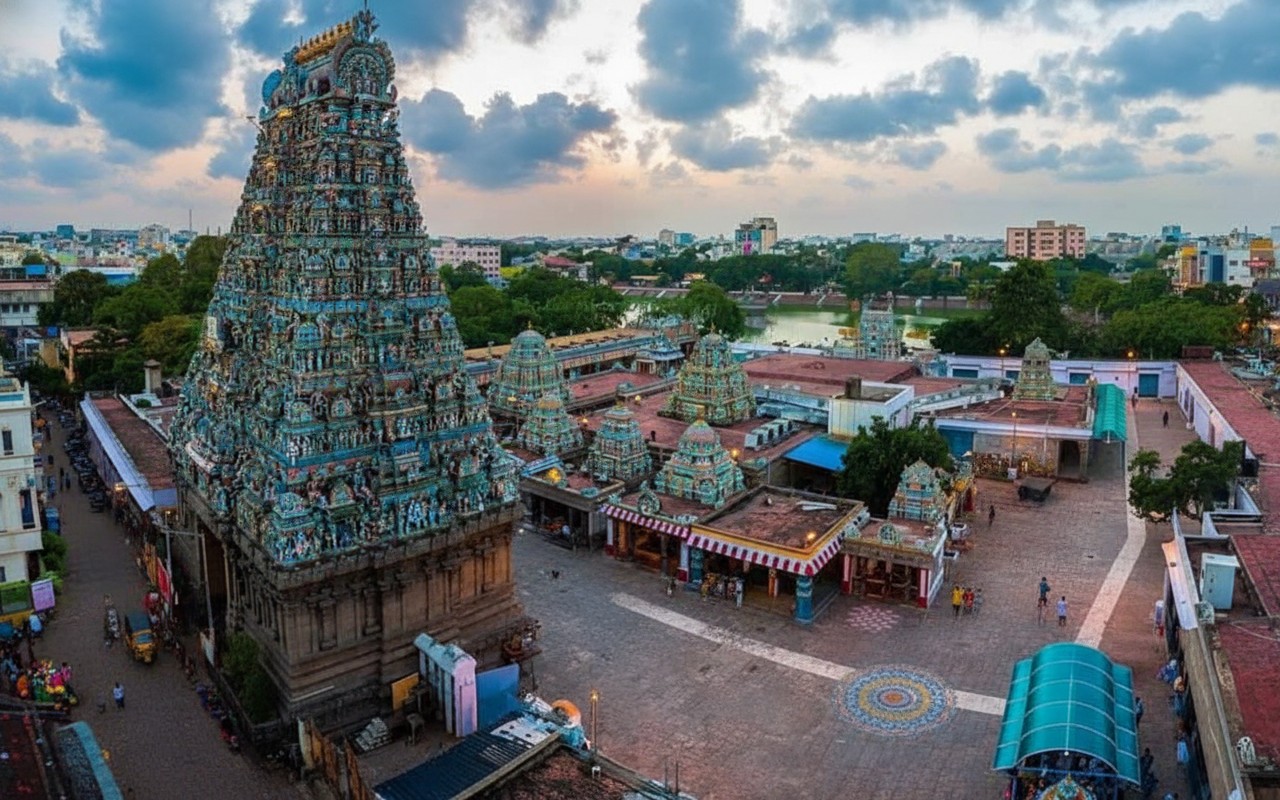
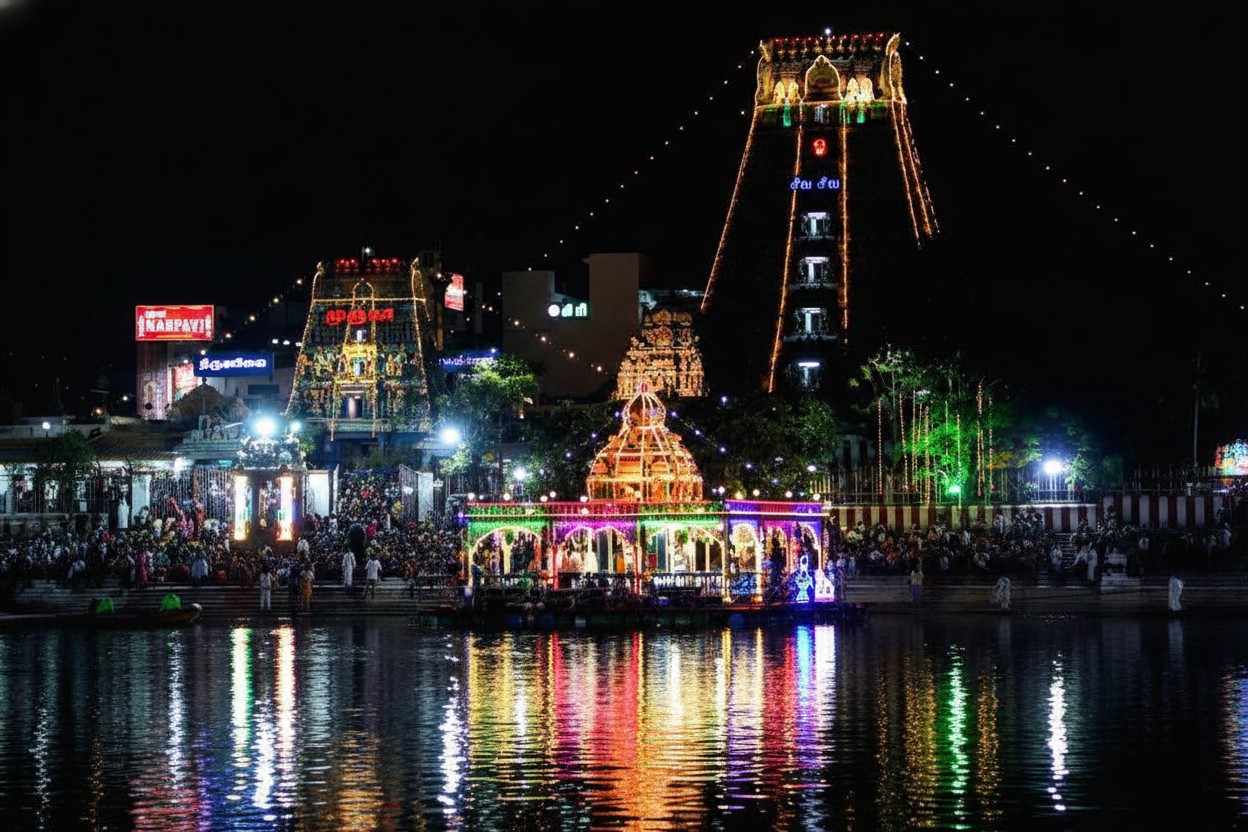
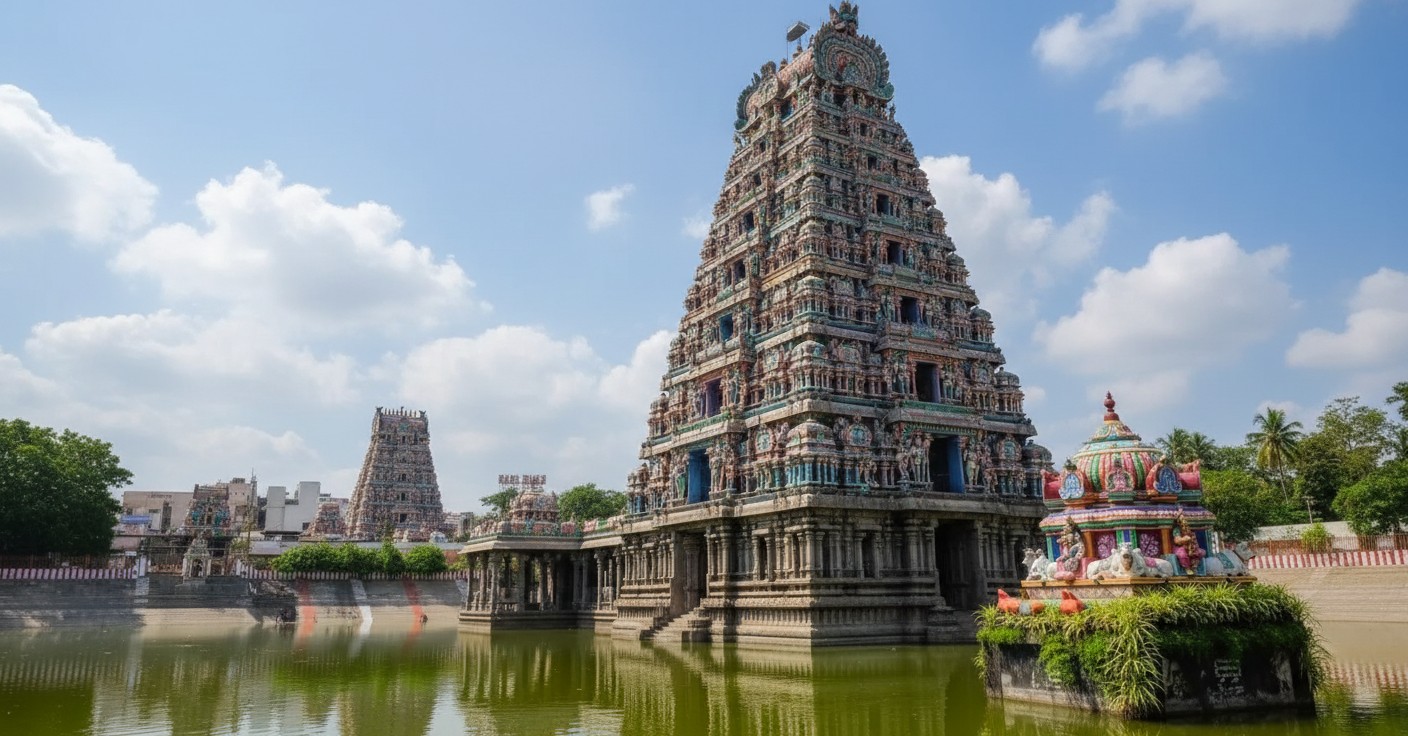
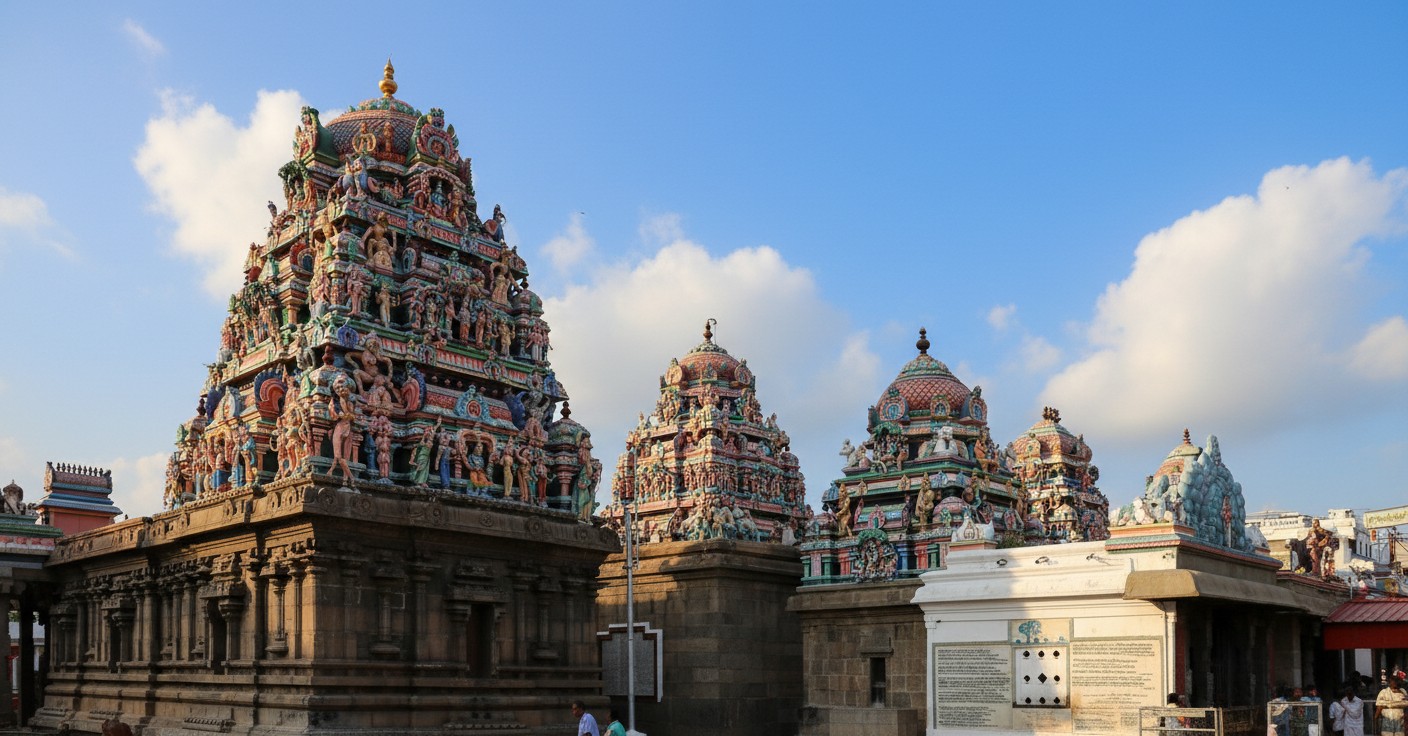
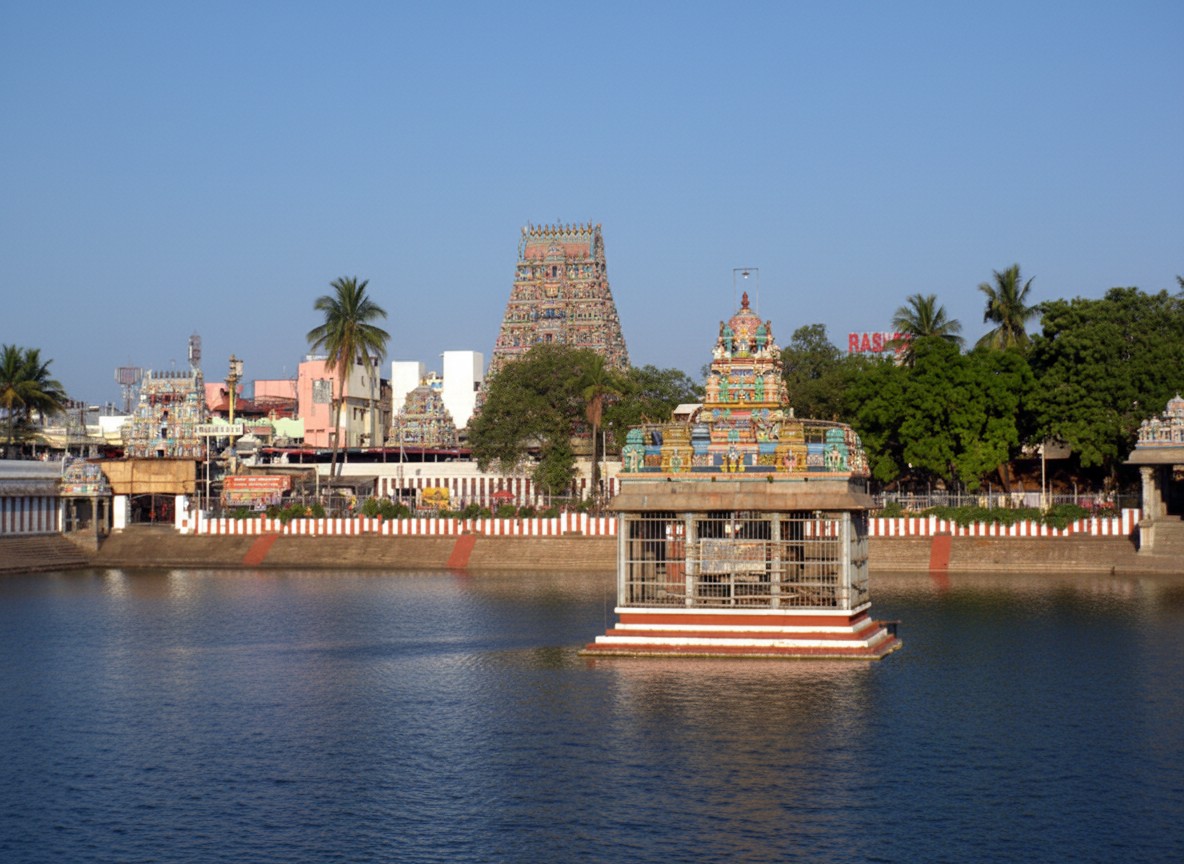
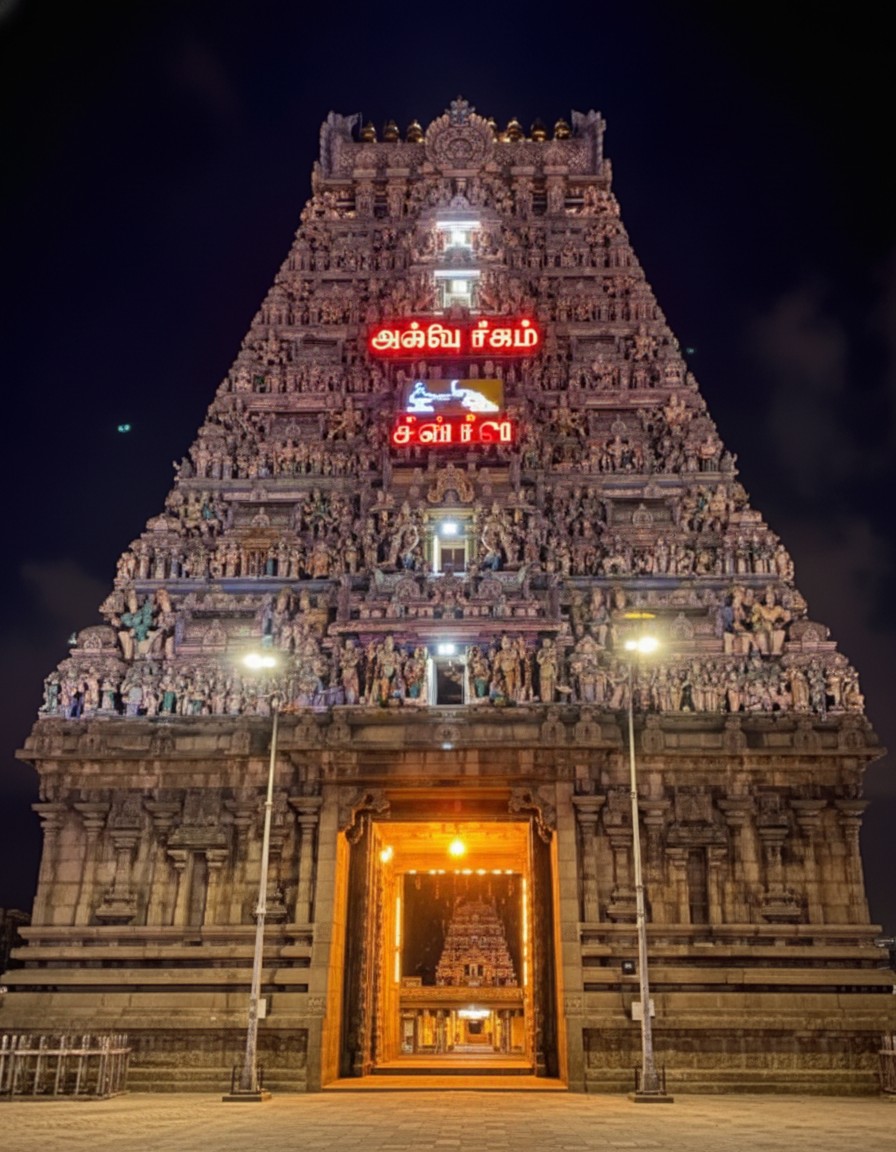
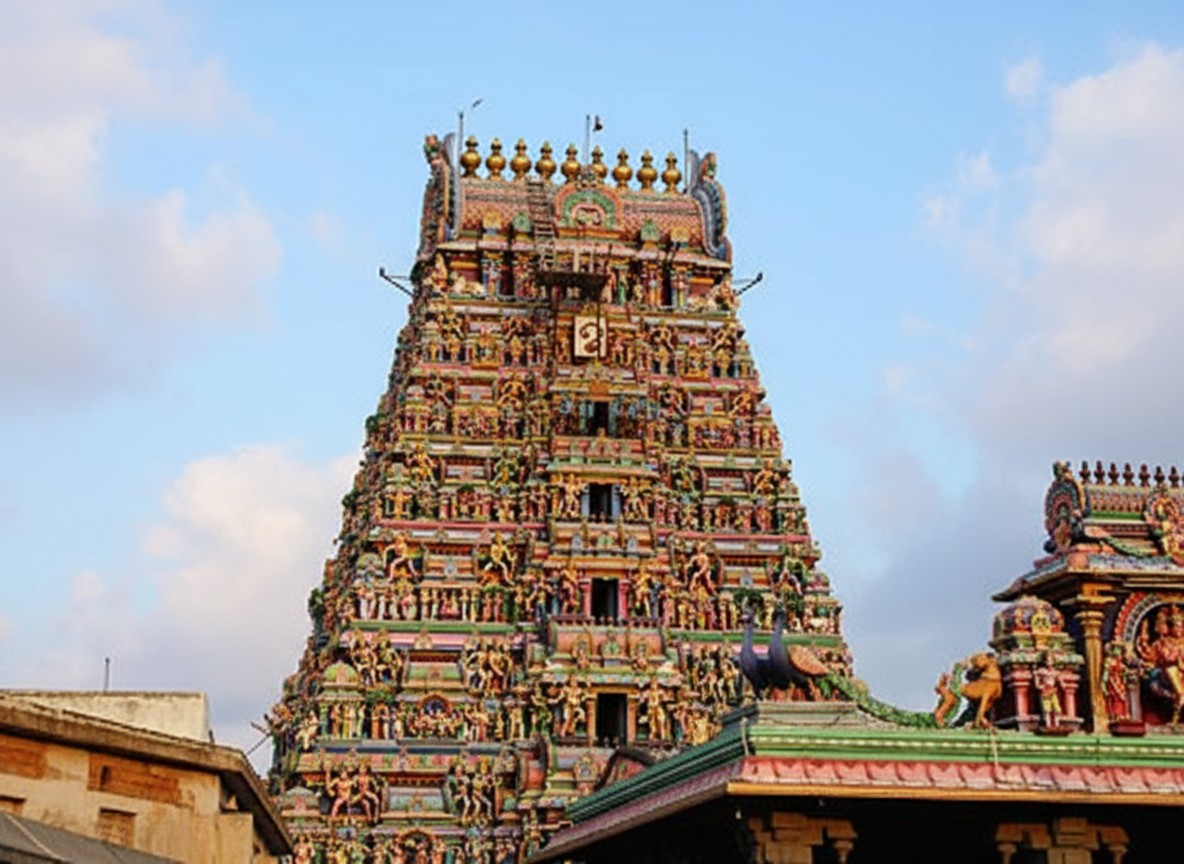
Kapaleeshwarar Temple is one of the most famous and ancient Hindu temples in South India, dedicated to Lord Shiva. Located in the historic neighborhood of Mylapore in Chennai, the temple is believed to date back several centuries and represents the rich Dravidian style of architecture. The colorful gopuram (tower), decorated with hundreds of detailed sculptures of gods, goddesses, and mythological figures, attracts thousands of devotees and tourists every year.
Kapaleeshwarar Temple is one of the oldest and most revered temples in Chennai. The original temple is believed to have been built during the Pallava dynasty (7th century CE), though the current structure dates to the 16th century (Vijayanagar period) after reconstruction.
The temple is dedicated to Lord Shiva, worshipped as Kapaleeshwarar, and his consort Goddess Parvati, worshipped as Karpagambal. According to legend, Goddess Parvati once worshipped Lord Shiva in the form of a peacock (Mayil in Tamil), which is how the area got its name Mylapore.
Architecture -:
Built in classic Dravidian architectural style.
Features a 120-feet tall eastern gopuram covered with colorful sculptures.
Intricate carvings depicting Hindu mythology.
Large temple tank called Kapaleeshwarar Temple Tank
🎯 Things to do
- Attend morning or evening Aarti (pooja rituals)
- Admire the colorful gopuram sculptures
- Visit the temple tank
- Explore the surrounding Mylapore market streets
- Experience classical music and devotional atmosphere
- Photography of architecture (outside areas).
📍 Near By
- San Thome Basilica (2 km)
- Marina Beach (4 km)
- Fort St. George
- Government Museum Chennai
- Besant Nagar Beach
- Ashtalakshmi Temple.
🛣️ How to Reach
By Air:The nearest airport is Chennai International Airport about 16 km from the temple. Taxis metro services and buses are easily available.,
By Train: The nearest railway station is Chennai Egmore Railway Station. Local suburban trains also connect to Mylapore.,
By Road :The temple is well connected by city buses taxis and auto-rickshaws from all parts of Chennai.,
By Metro :The nearest metro station is Chennai Metro at Thirumayilai/Mylapore area followed by a short auto-rickshaw ride.
⭐ Why Visit
Experience ancient South Indian temple architecture,
Witness traditional Tamil Hindu rituals and festivals,
Explore the vibrant cultural atmosphere of Mylapore,
Enjoy peaceful spiritual surroundings,
Discover local markets food stalls and classical music culture nearby
💡 Travel Tips
Visit early morning or evening to avoid heat,
Wear modest traditional clothing,
Footwear must be removed before entering,
Photography may be restricted inside sanctum areas,
Try local South Indian food around Mylapore,
Best time to visit: November to February for pleasant weather
🌟 Special Features
Magnificent 120-foot colorful gopuram,
Sacred temple tank used during festivals,
Ancient carvings and sculptures,
Famous Panguni Peruvizha festival celebrations,
Dedicated shrines for multiple Hindu deities
Pancha Rathas
Mahabalipuram • Chengalpattu • Tamil Nadu
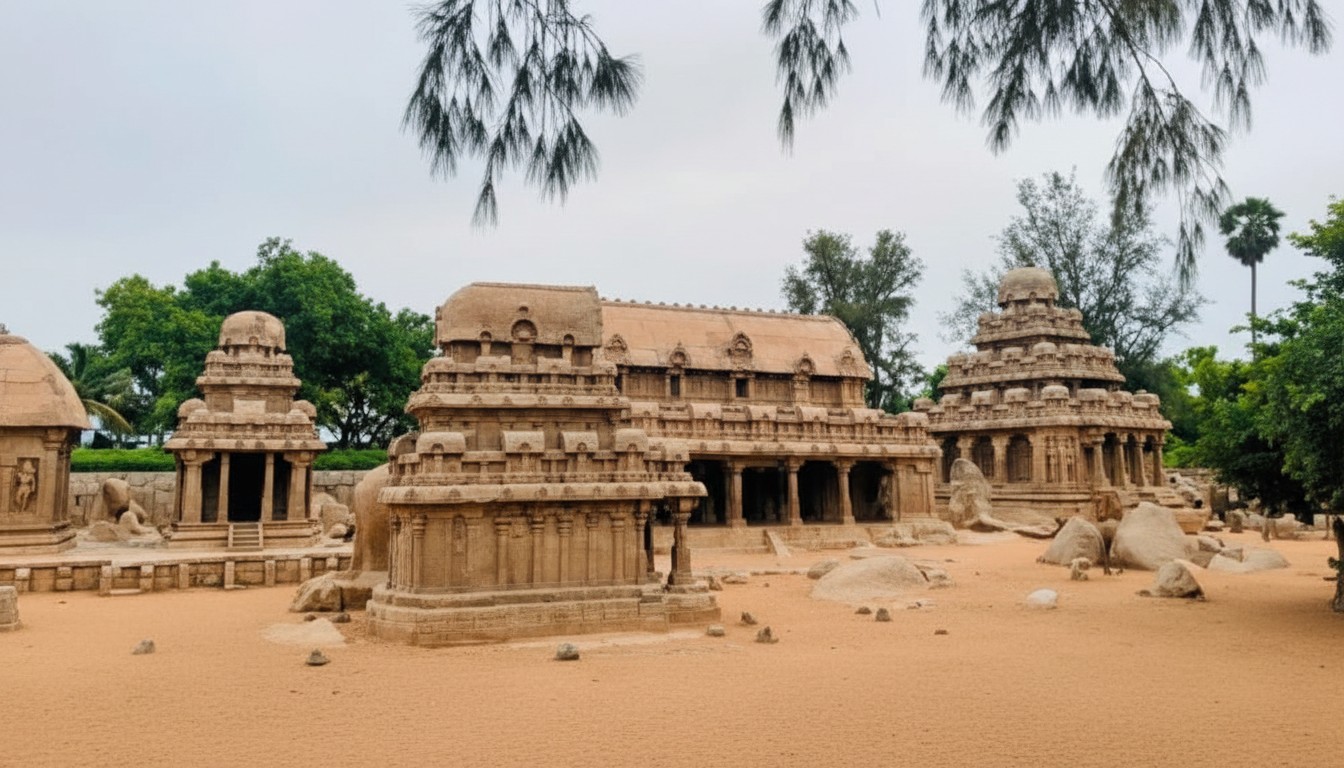
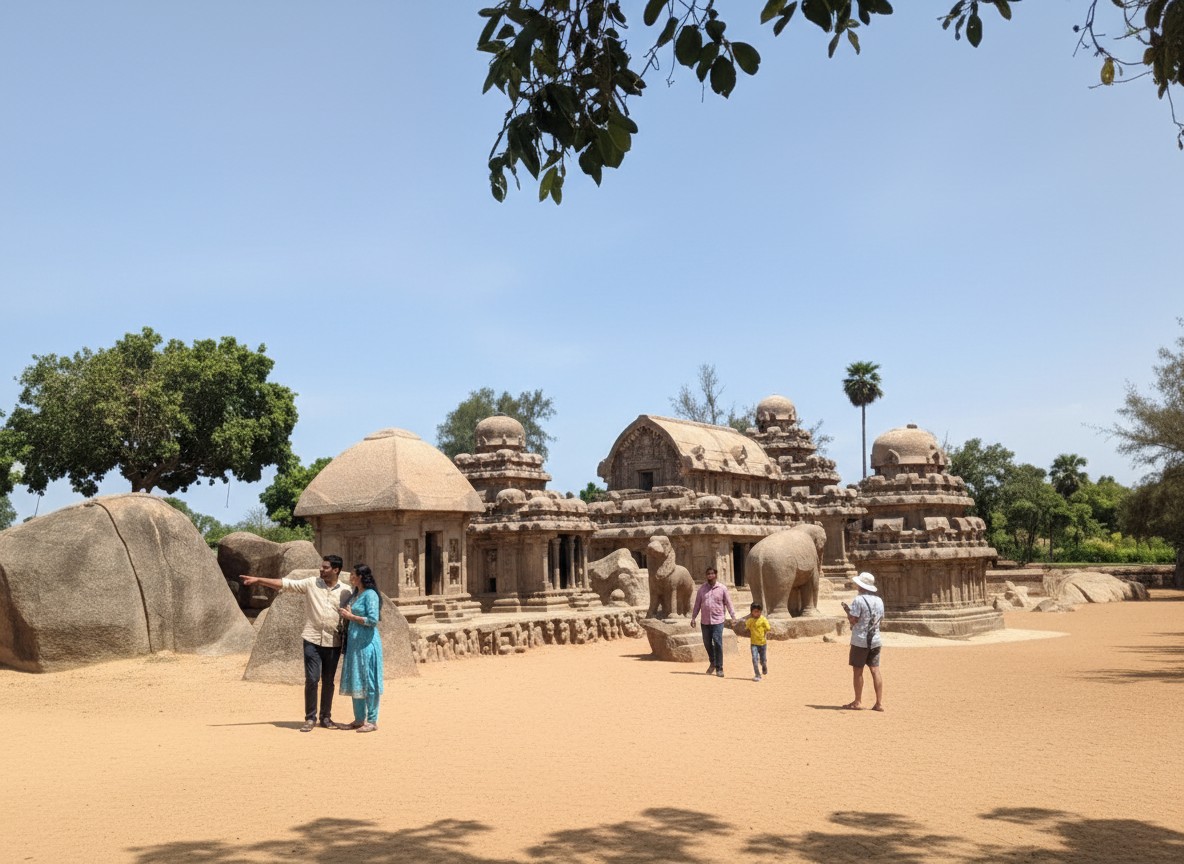
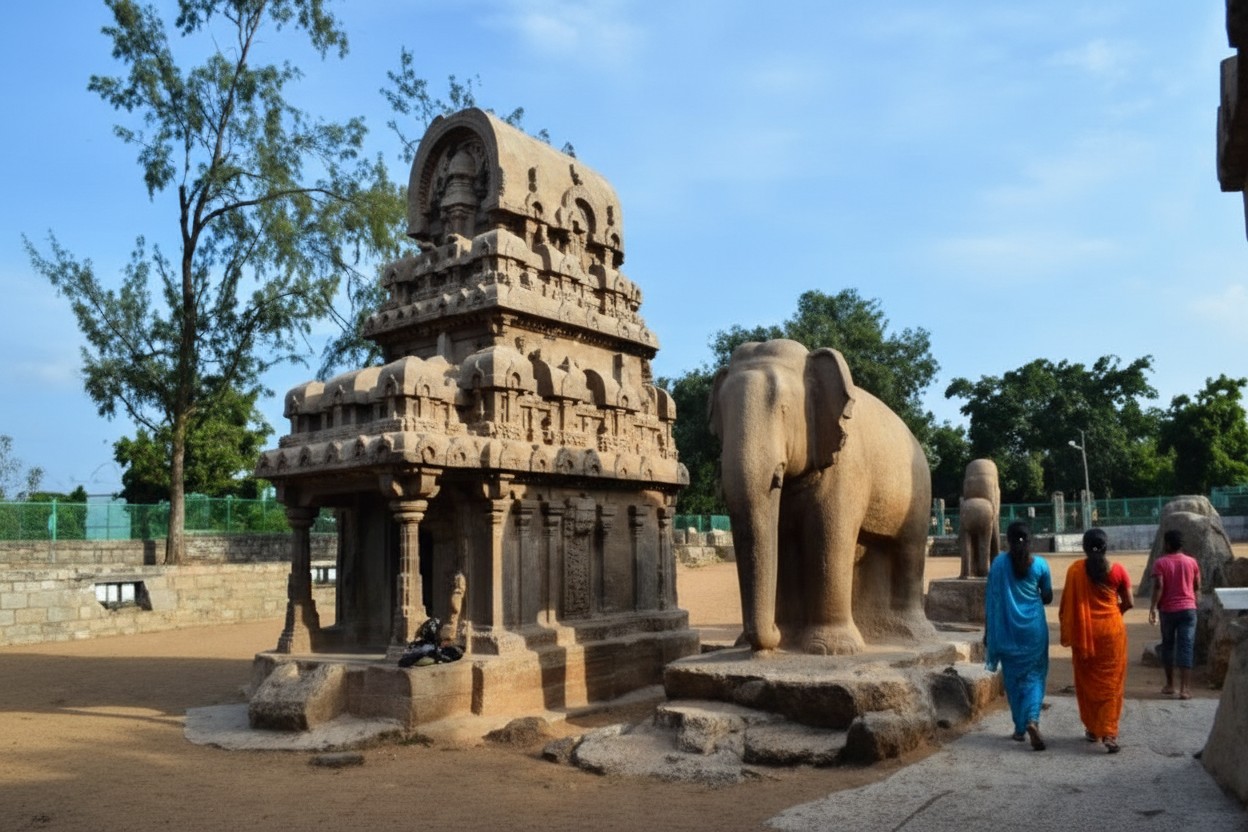
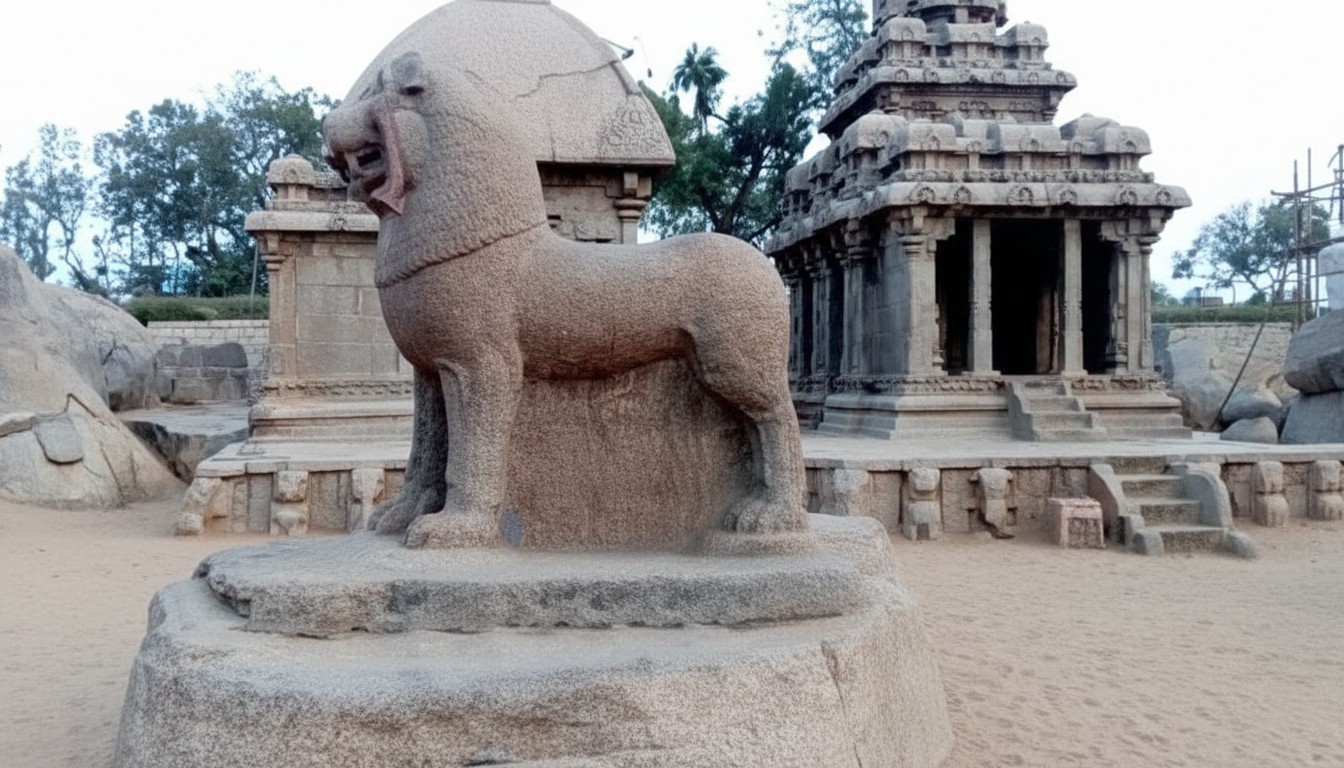
Pancha Rathas is a group of five monolithic rock-cut temples, each carved from a single granite stone, built during the Pallava dynasty in the 7th century CE. The structures are named after the Pandavas and Draupadi, though there is no historical evidence connecting them.
The Pancha Rathas, also known as the Five Rathas, are among the most remarkable monuments of ancient South Indian architecture. Located in Mahabalipuram, these monolithic rock-cut temples were built during the 7th century under the rule of the Pallava king Narasimhavarman I. Each ratha is carved from a single granite rock and is named after the Pandavas and Draupadi from the Indian epic Mahabharata. Although these structures were never completed or used as temples, they represent an experimental stage in Dravidian temple architecture and later inspired many South Indian temple designs.
The Pancha Rathas are part of the UNESCO World Heritage Site “Group of Monuments at Mahabalipuram.”
Each ratha (chariot) is carved from a single granite rock and is structurally unique, representing different temple styles:
1-Draupadi Ratha – small, simple structure
2-Arjuna Ratha – rectangular and plain
3-Bhima Ratha – larger, barrel-shaped roof
4-Dharmaraja Ratha – the tallest, with pyramidal roof
5-Nakula Sahadeva Ratha – smallest with simple carvings
The monuments demonstrate Pallava artisans’ architectural innovation and are roofed in imitation of wooden structures.
Made entirely of granite, the temples were never completed, but the carvings are intricate and impressive, showing mythological and floral motifs.
🎯 Things to do
- Sightseeing & Photography – admire intricate Pallava carvings.
- Heritage Walks – explore the nearby Shore Temple and Mahabalipuram monuments.
- Sunset View – the structures look magical during golden hour.
- Cultural Learning – understand Pallava architecture and Indian temple art.
📍 Near By
- Shore Temple – 1 km away
- Arjuna’s Penance / Descent of the Ganges – 500 m away
- Mahabalipuram Beach – perfect for evening walks and picnics
- Temples – Varaha Cave /Krishna Mandapa (within 1 km)
🛣️ How to Reach
By Air: Nearest airport is Chennai International Airport about 55 km away.,
By Train: Closest railway station is Chengalpattu Junction around 30 km away.,
By Road: Easily accessible via East Coast Road (ECR) from Chennai. Regular buses and taxis are available.
⭐ Why Visit
UNESCO World Heritage Site.,
Stunning monolithic rock-cut temples.,
Excellent example of Pallava architecture.,
Ideal for photography and history exploration.,
Close to beaches and other attractions in Mamallapuram.
💡 Travel Tips
Best time to visit: November to February.,
Visit early morning or evening to avoid heat.,
Carry water sunglasses and comfortable footwear.,
Hire a local guide for historical insights.,
Combine the trip with nearby attractions like Shore Temple and Arjuna's Penance.
🌟 Special Features
Five monolithic temples carved from single stones.,
Unique Dravidian architectural styles.,
Famous elephant sculpture carved from rock.,
Ancient unfinished temple complex showcasing construction techniques.,
Detailed carvings inspired by Hindu mythology.





Khajuraho Group of Monuments
Khajuraho • Chhatarpur • Madhya Pradesh
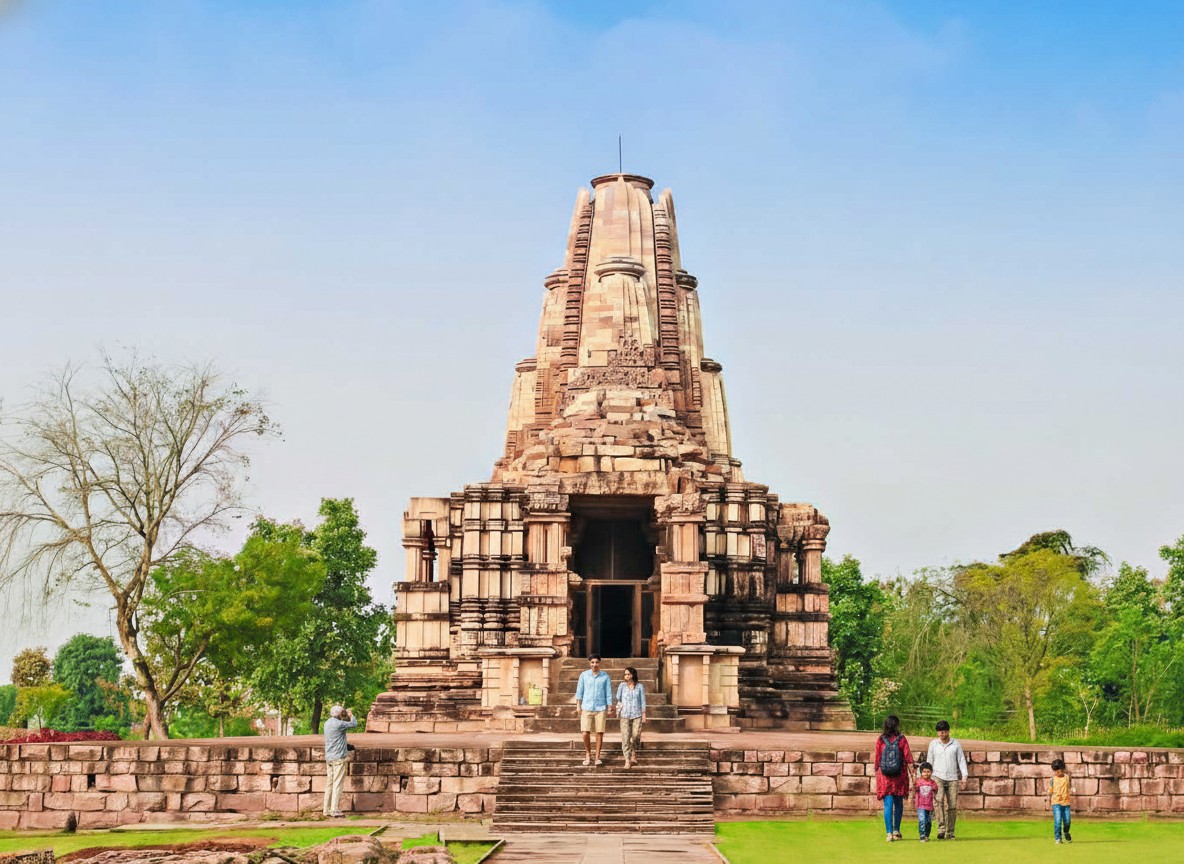
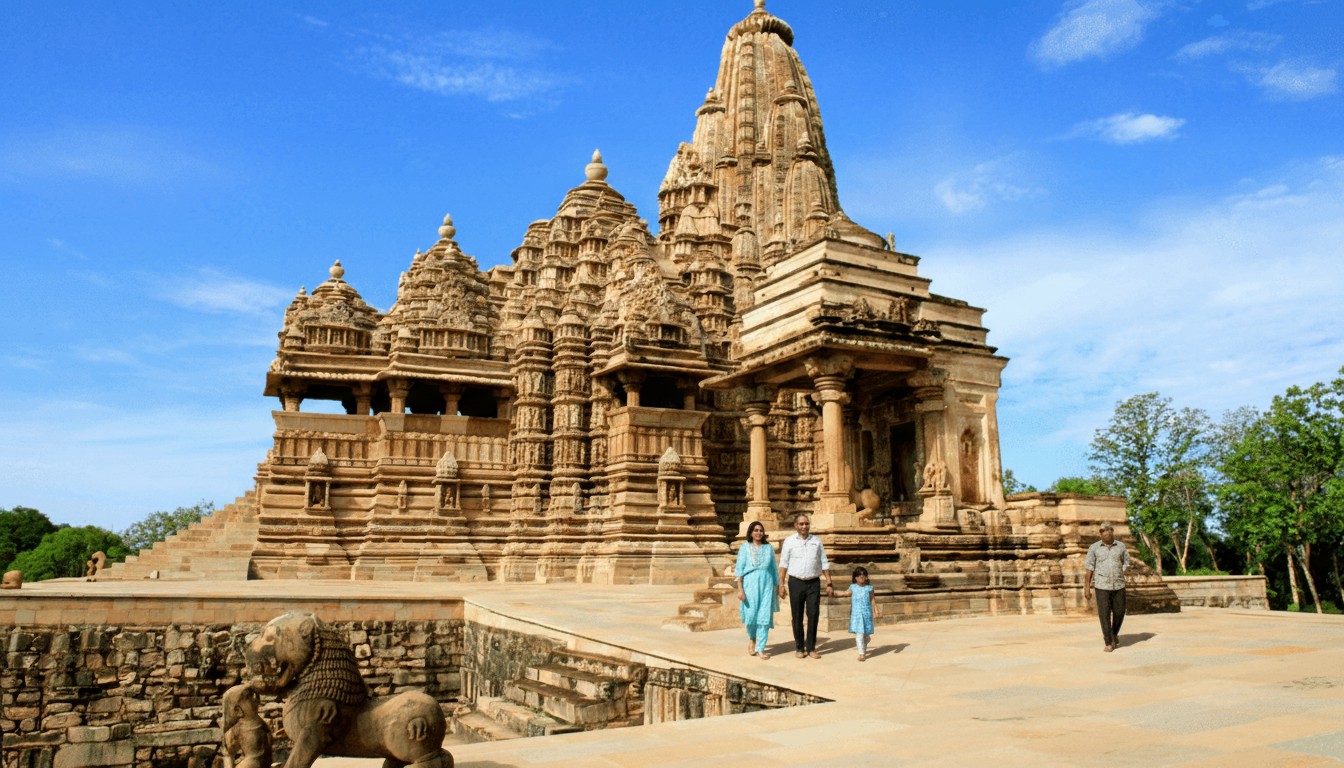
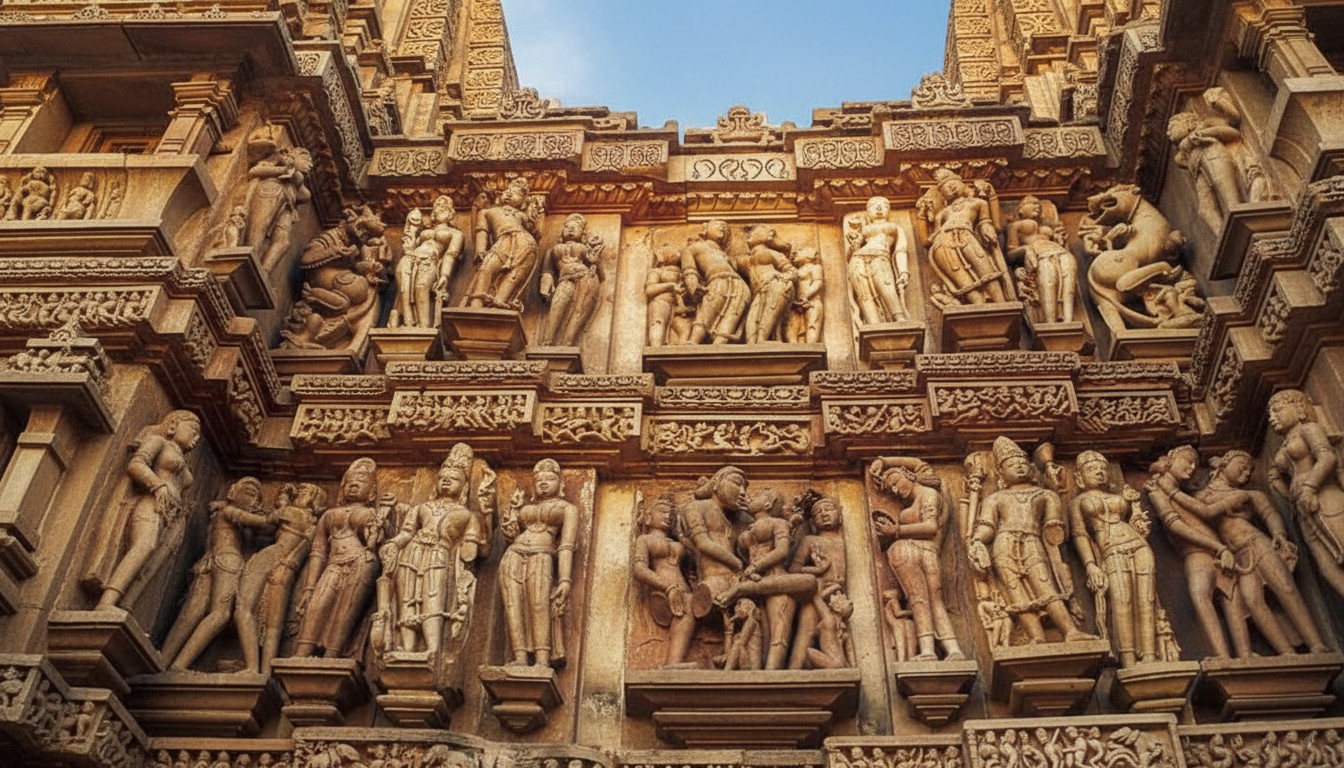
A collection of intricately carved Hindu and Jain temples built between 950–1050 CE by the Chandela dynasty, famed for ornate sculptures capturing divine, secular, and sometimes erotic themes, a harmony of architecture and sculpture recognized globally.
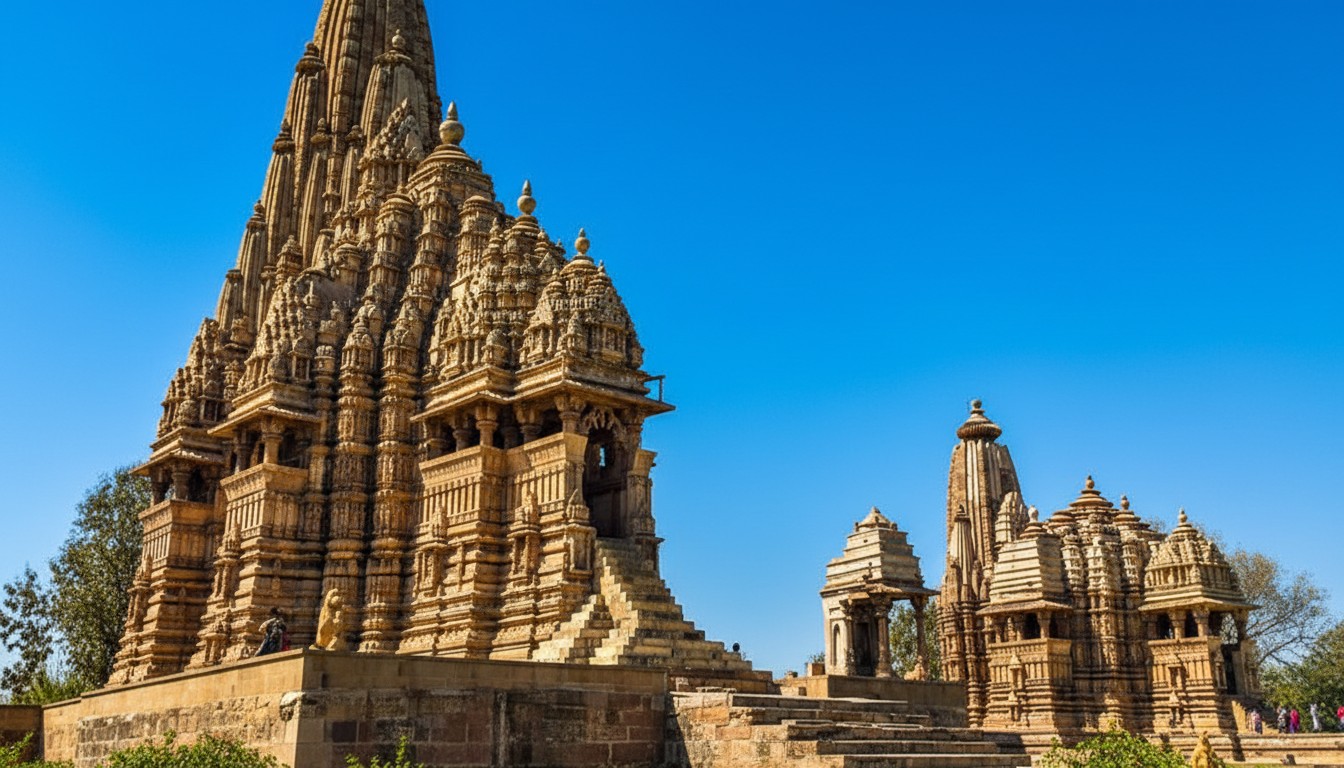
The Khajuraho Group of Monuments is one of India’s most celebrated UNESCO World Heritage Sites, famous for its stunning temple architecture, intricate stone carvings, and rich cultural heritage. Built between the 9th and 12th centuries by the Chandela dynasty, these temples beautifully showcase ancient Indian art, spirituality, and craftsmanship. Originally, around 85 temples existed, but about 20 remain today, divided into Western, Eastern, and Southern groups.
The temples are especially known for their detailed sculptures depicting gods, celestial beings, dancers, musicians, daily life, and symbolic erotic art. Contrary to common belief, the erotic carvings form only a small part of the entire artwork and represent the balance between worldly life and spiritual growth. The Kandariya Mahadeva Temple is considered the finest example of Nagara-style architecture in the complex.
Visitors are attracted not only by the artistic beauty but also by the peaceful atmosphere and historical importance of the site. The temples glow beautifully during sunrise and sunset, making photography and sightseeing memorable experiences. Cultural programs such as the Khajuraho Dance Festival, held every year, add another dimension to the destination by combining classical Indian dance with the magnificent temple backdrop.
Khajuraho is ideal for history lovers, architecture enthusiasts, photographers, spiritual travelers, and anyone interested in India’s ancient heritage. The clean surroundings, organized tourism facilities, and nearby attractions like waterfalls and wildlife sanctuaries make it a rewarding travel destination in central India.
🎯 Things to do
- Visit Archaeological Museum nearby to see ancient artifacts and sculptures.
- Attend Khajuraho Dance Festival (Feb) for cultural experiences.
- Enjoy sunrise/sunset photography with temple silhouettes.
- See Sound & Light Show in the evening explaining temple history.
- Visit local markets
- cafes
- and take walking tours.
- Combine with Panna National Park safaris for wildlife and nature experiences.
📍 Near By
- Panna National Park – ~25–35 km for wildlife and safaris.
- Raneh Falls / Ken River Canyon – A scenic waterfall and canyon site.
- Ajaigarh Fort – Historic fort ~80 km away with panoramic views.
- Local Markets & Cafés – Good for shopping & food experiences.
🛣️ How to Reach
By Air :-Khajuraho Airport connects the town with major cities like Delhi and Varanasi.,
By Train :-Khajuraho Railway Station is well connected to cities such as Delhi Kanpur and Jhansi.,
By Road :-Khajuraho has good road connectivity from nearby cities:
Jhansi – approx. 175 km
Satna – approx. 120 km
Panna – approx. 45 km
Regular buses and taxis are available.
⭐ Why Visit
UNESCO World Heritage Site,
Magnificent stone carvings and architecture,
Ancient Hindu and Jain temples,
Famous Khajuraho Dance Festival,
Excellent photography destination,
Peaceful spiritual atmosphere,
Rich history of Chandela dynasty
💡 Travel Tips
Best time to visit: October to March,
Wear comfortable walking shoes,
Carry water sunscreen and hats during summer,
Hire a local guide for better historical understanding,
Visit early morning or evening for pleasant weather,
Respect temple heritage and maintain cleanliness,
Photography is allowed in most areas
🌟 Special Features
Intricate sandstone carvings,
Blend of spirituality and art,
Nagara-style temple architecture,
UNESCO recognition,
Light and Sound Show in the evening,
Unique erotic sculptures with symbolic meanings,
Annual classical dance festival against temple backdrop