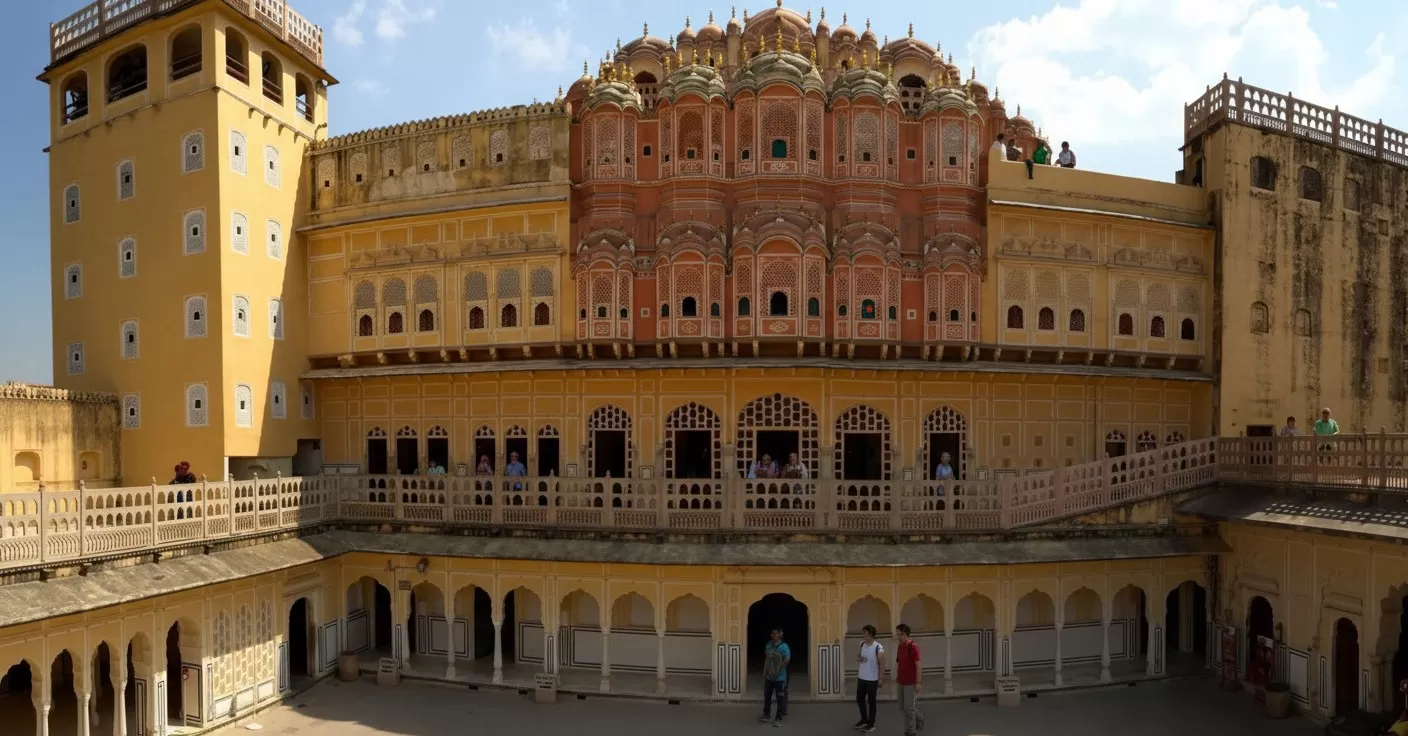
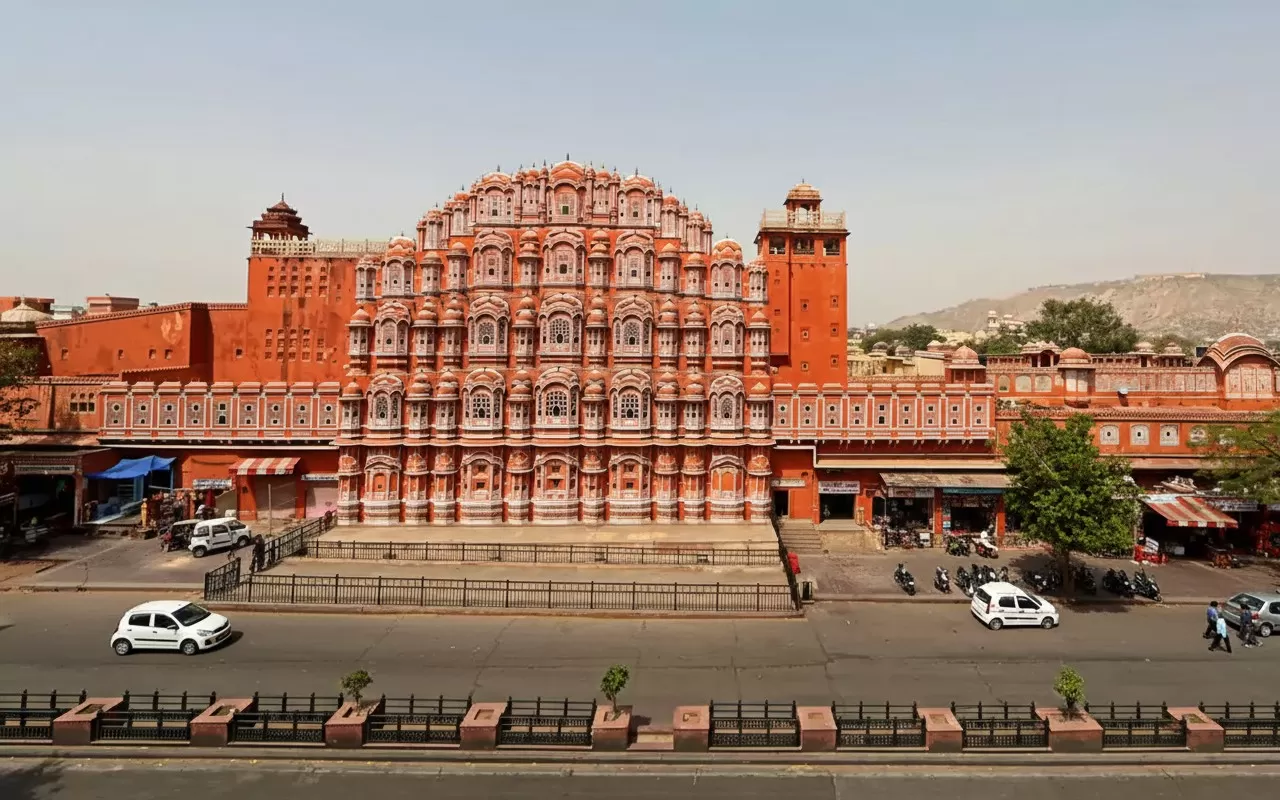
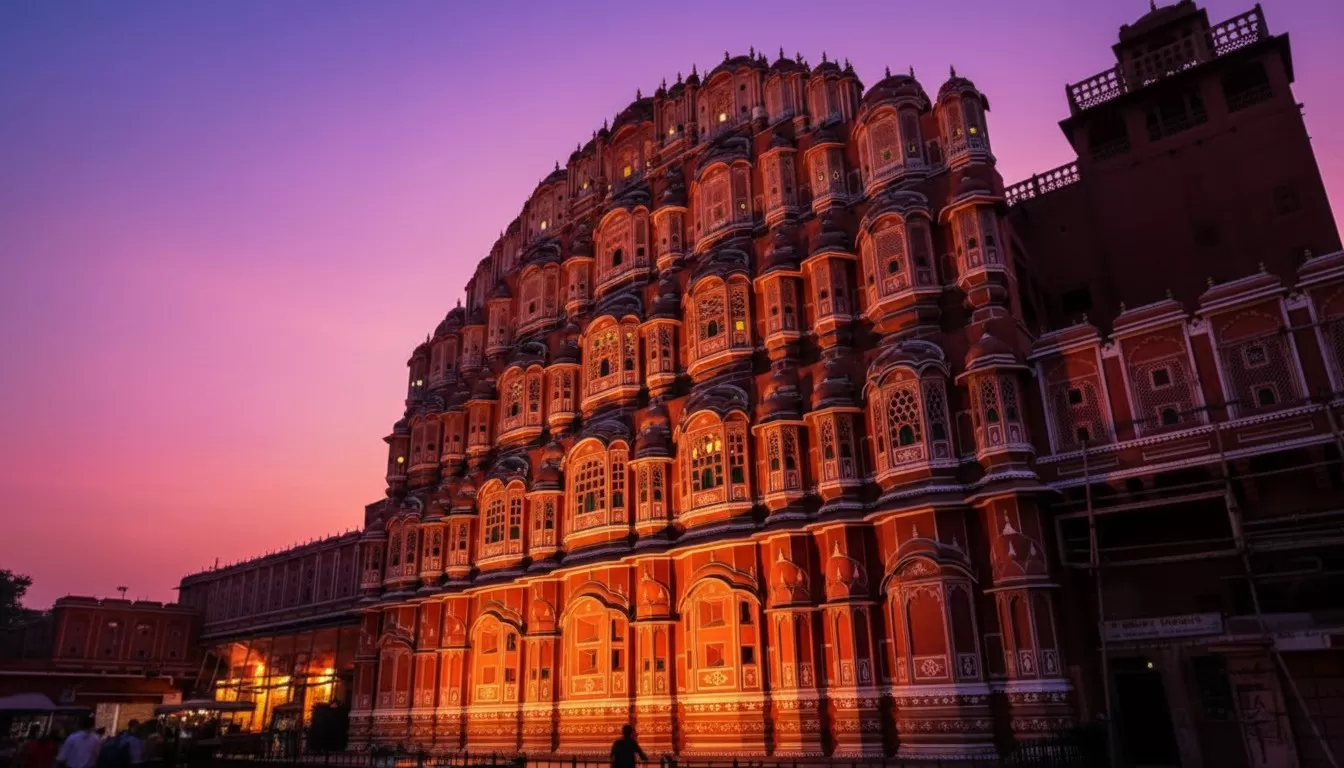
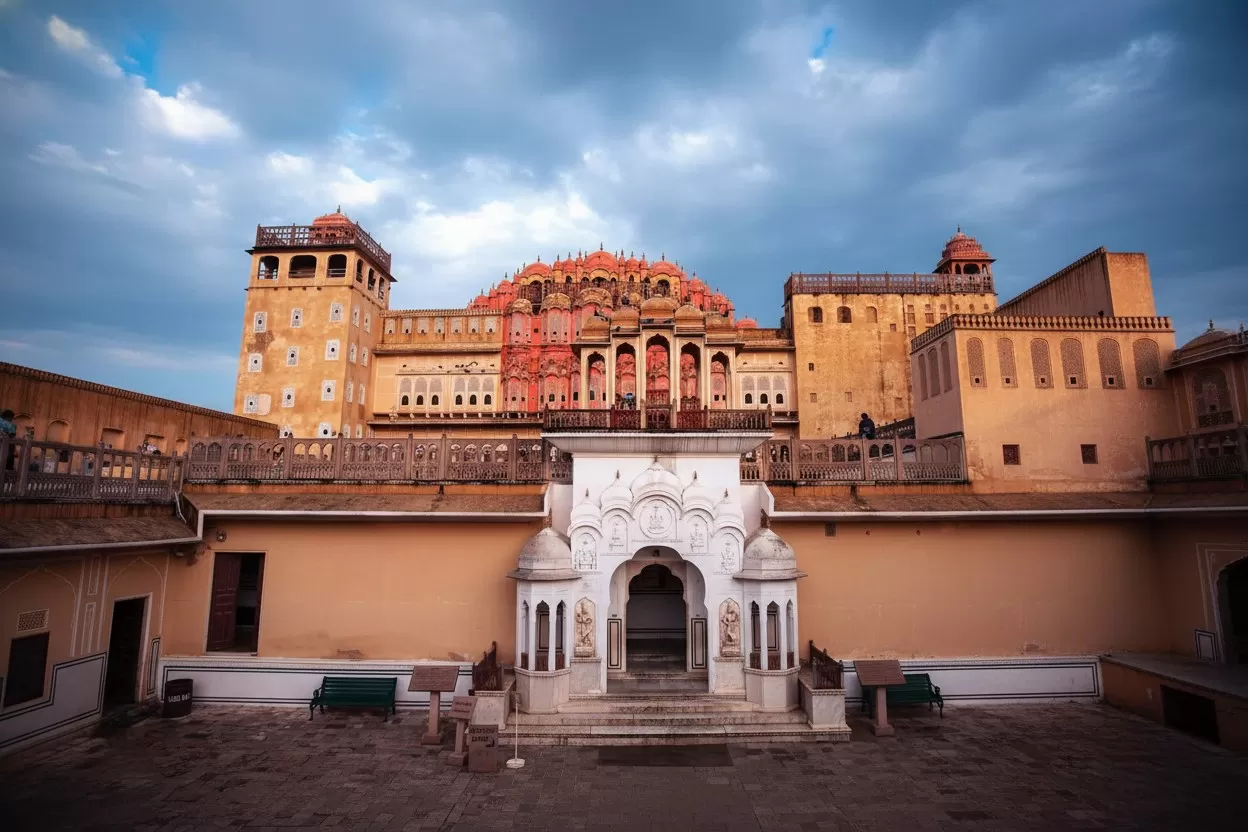
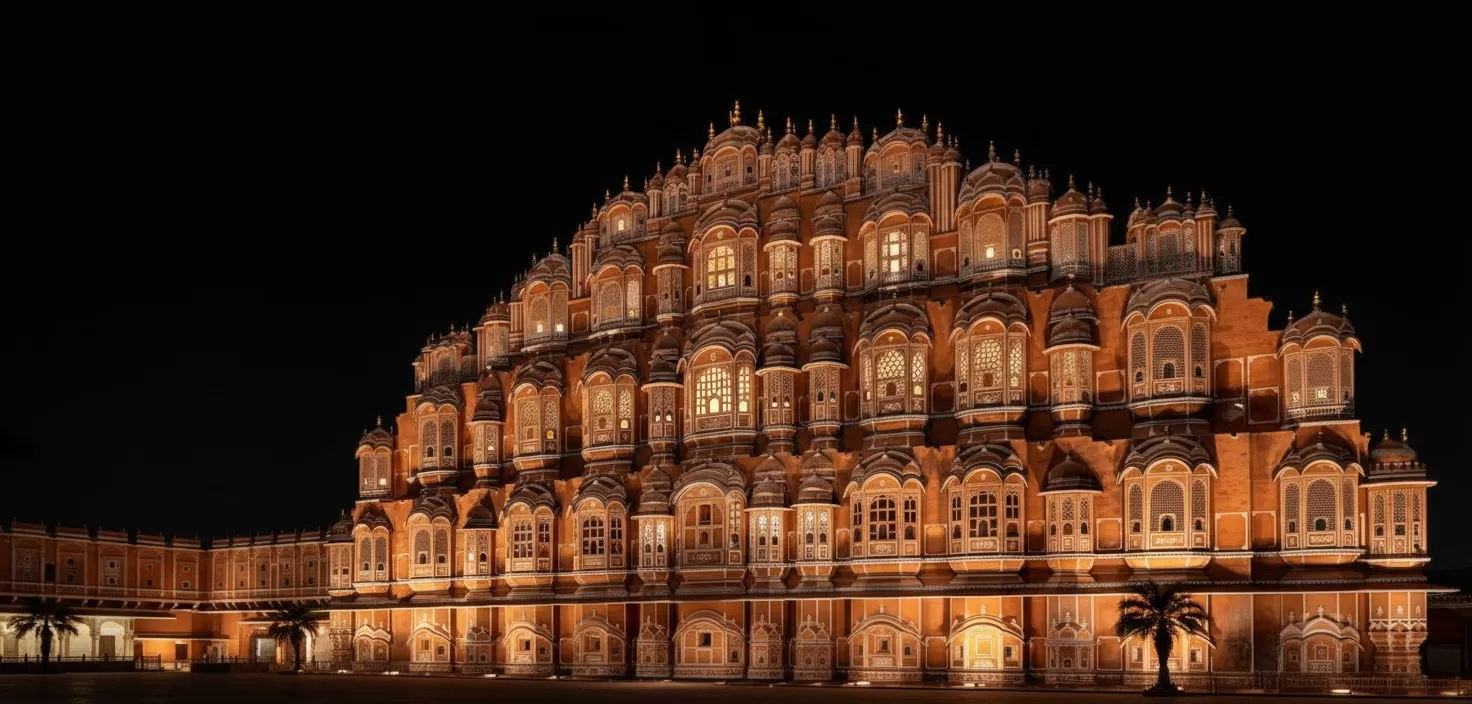
Hawa Mahal, also known as the “Palace of Winds,” is one of the most famous landmarks of Jaipur. Built in 1799 by Maharaja Sawai Pratap Singh, this five-story pink sandstone monument was designed by architect Lal Chand Ustad. The palace has 953 small windows called jharokhas, which allow cool air to circulate through the structure, keeping it naturally ventilated even during hot summers. Its unique honeycomb-shaped façade reflects the rich Rajput architectural style mixed with Mughal influences.
Hawa Mahal is one of the most iconic monuments in India and a symbol of the rich cultural heritage of Rajasthan. Located in the heart of the Pink City, Jaipur, this magnificent palace was constructed in 1799 by Maharaja Sawai Pratap Singh. Designed by Lal Chand Ustad, the structure resembles the crown of Lord Krishna and showcases a perfect blend of Rajput and Mughal architectural styles. Built using red and pink sandstone, Hawa Mahal attracts thousands of visitors every year due to its unique appearance and historical significance.
The palace is famous for its 953 small windows, known as jharokhas, decorated with intricate latticework. These windows were specially designed to allow cool air to pass through the palace, creating a natural air-conditioning effect during the hot desert climate. The royal women of the palace used these windows to observe daily life and festive processions on the streets while maintaining royal privacy according to the purdah system.
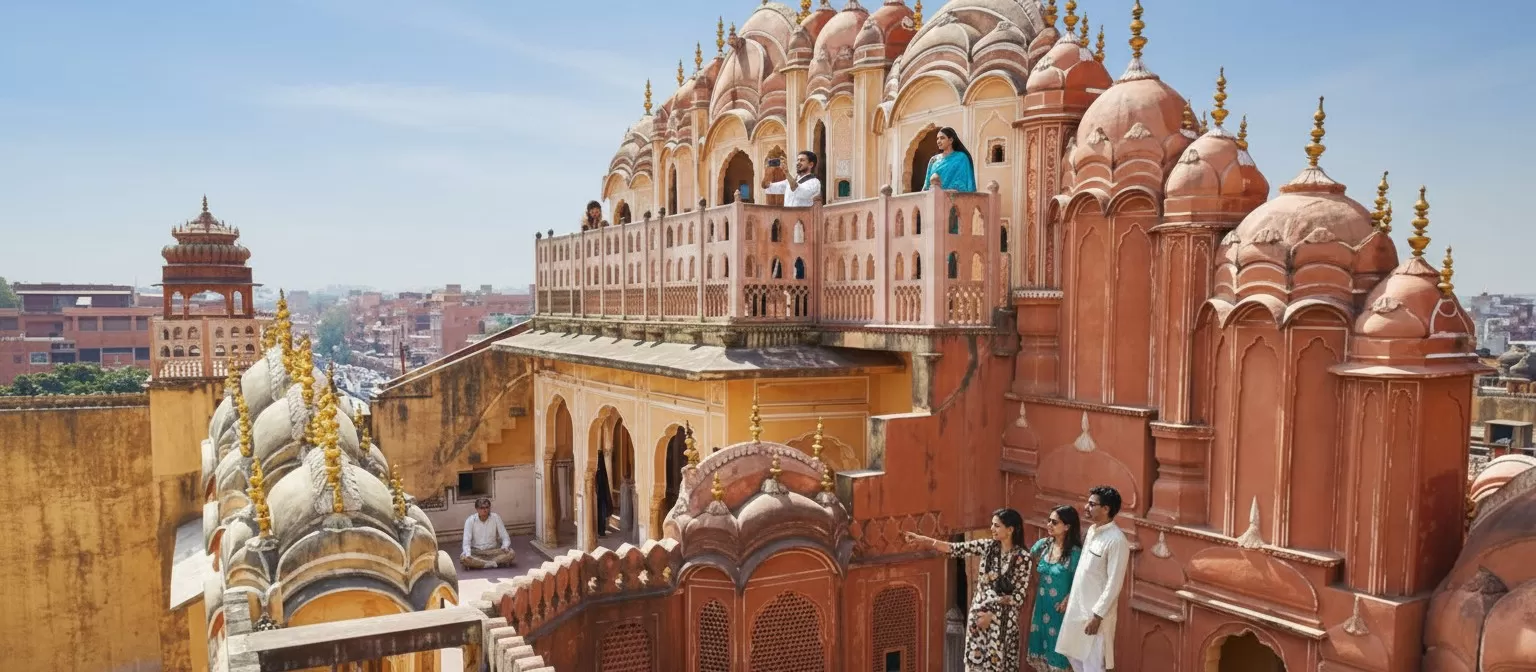
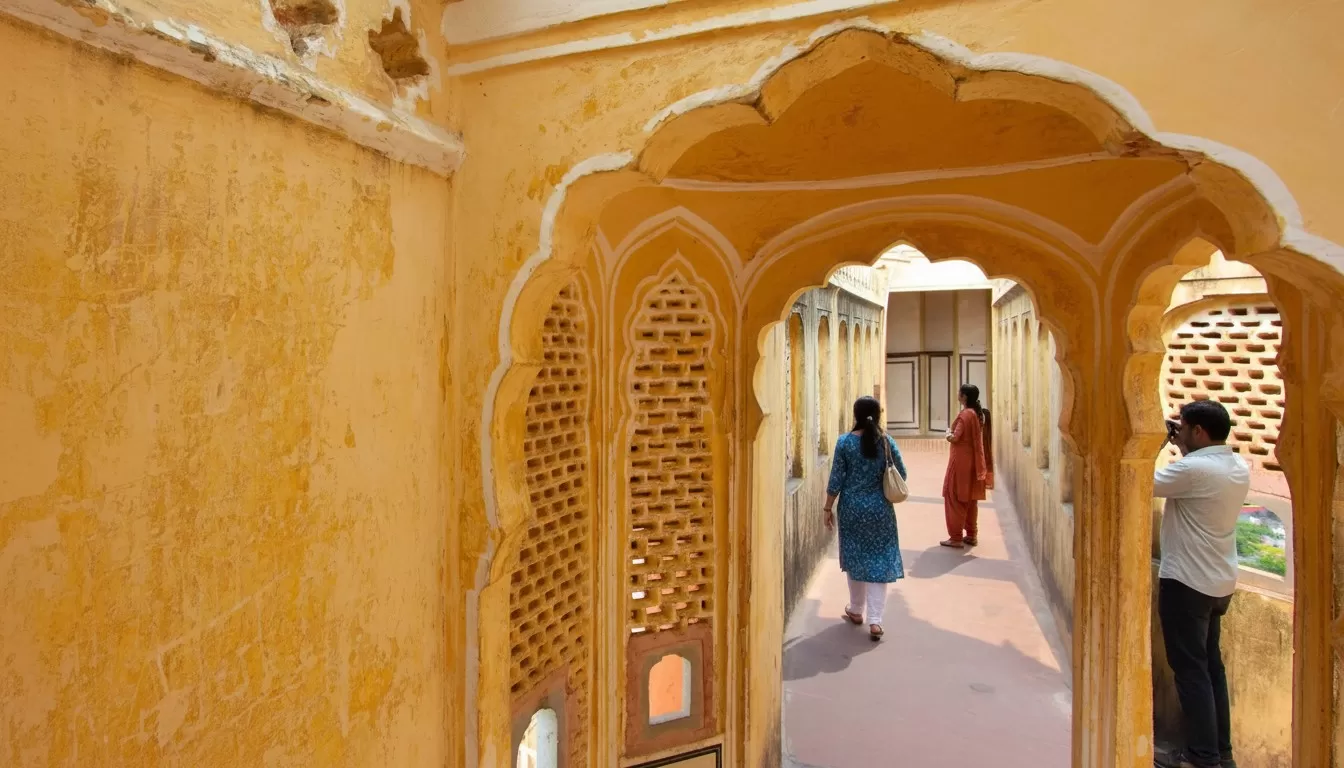
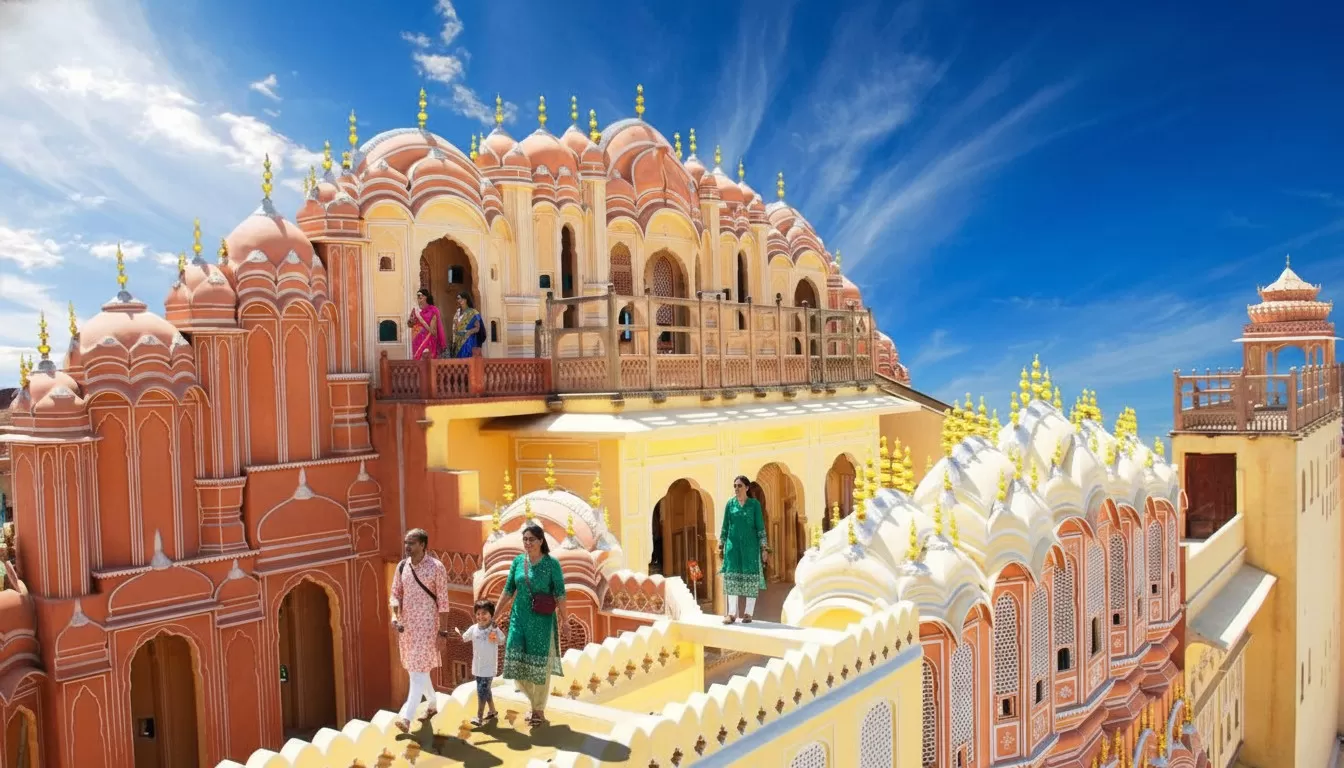
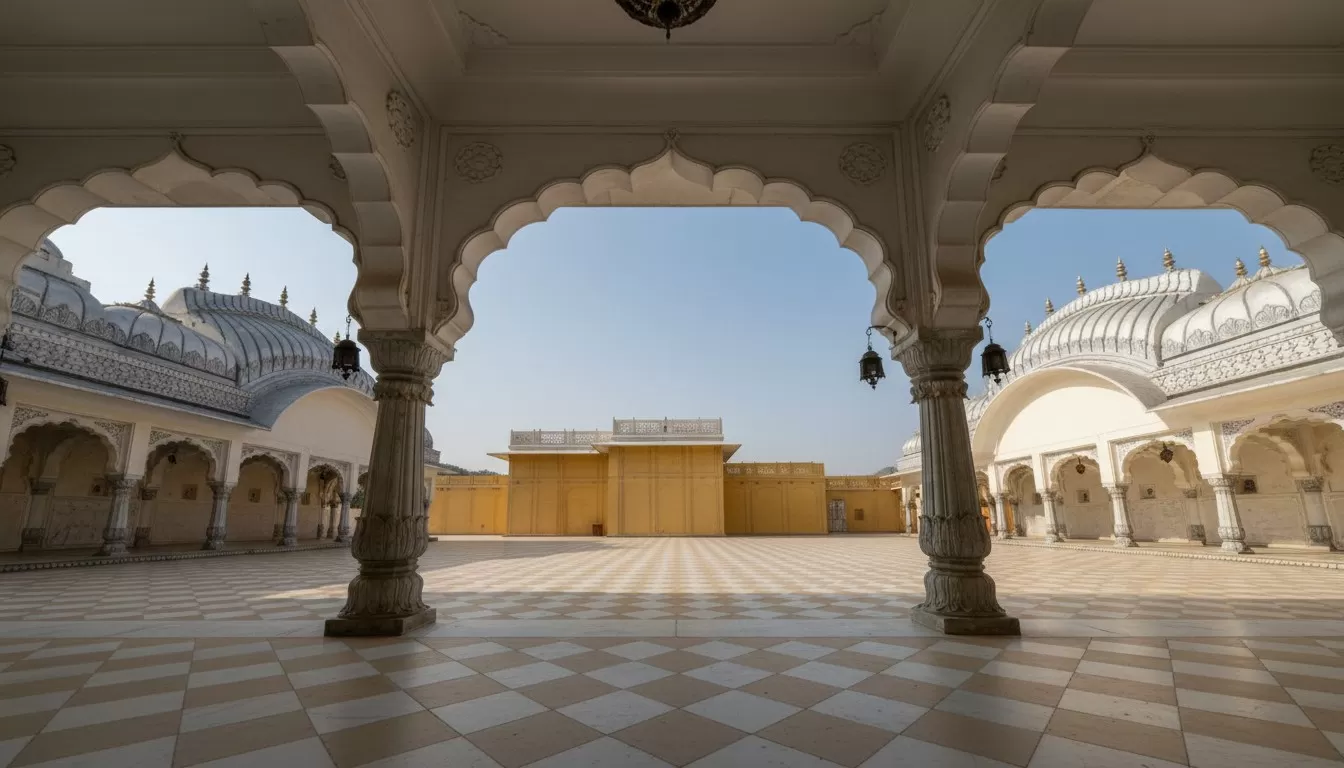
Although the front façade looks grand and massive, the palace is surprisingly narrow from inside. Visitors can climb through ramps and corridors to reach the upper floors, where breathtaking views of Jaipur city can be enjoyed. The monument becomes especially beautiful during sunrise when the sunlight reflects on the pink sandstone walls.
Hawa Mahal is not only an architectural masterpiece but also an important cultural landmark that reflects the artistic excellence and royal lifestyle of Rajasthan. A visit to Jaipur remains incomplete without exploring this historic Palace of Winds.
The palace is famous for its 953 small windows, known as jharokhas, decorated with intricate latticework. These windows were specially designed to allow cool air to pass through the palace, creating a natural air-conditioning effect during the hot desert climate. The royal women of the palace used these windows to observe daily life and festive processions on the streets while maintaining royal privacy according to the purdah system.
Although the front façade looks grand and massive, the palace is surprisingly narrow from inside. Visitors can climb through ramps and corridors to reach the upper floors, where breathtaking views of Jaipur city can be enjoyed. The monument becomes especially beautiful during sunrise when the sunlight reflects on the pink sandstone walls.
Hawa Mahal is not only an architectural masterpiece but also an important cultural landmark that reflects the artistic excellence and royal lifestyle of Rajasthan. A visit to Jaipur remains incomplete without exploring this historic Palace of Winds.