
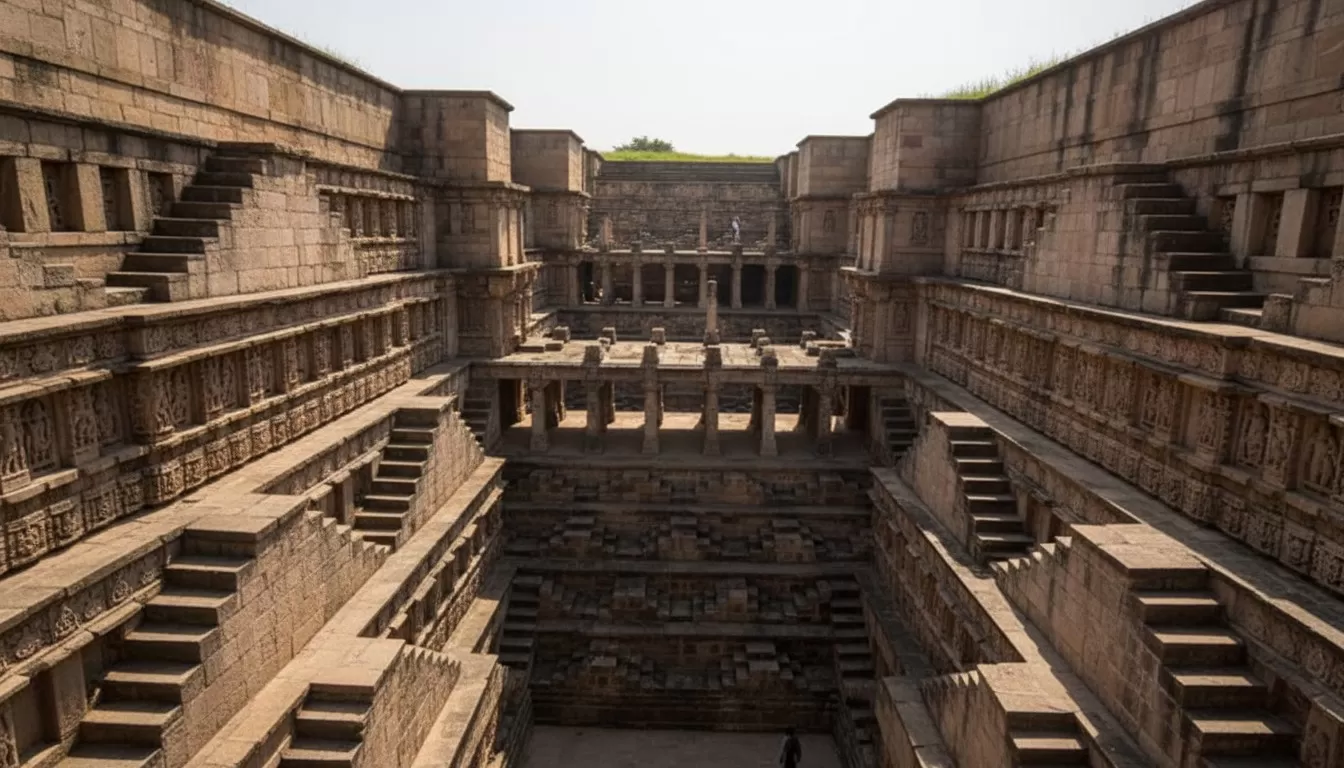
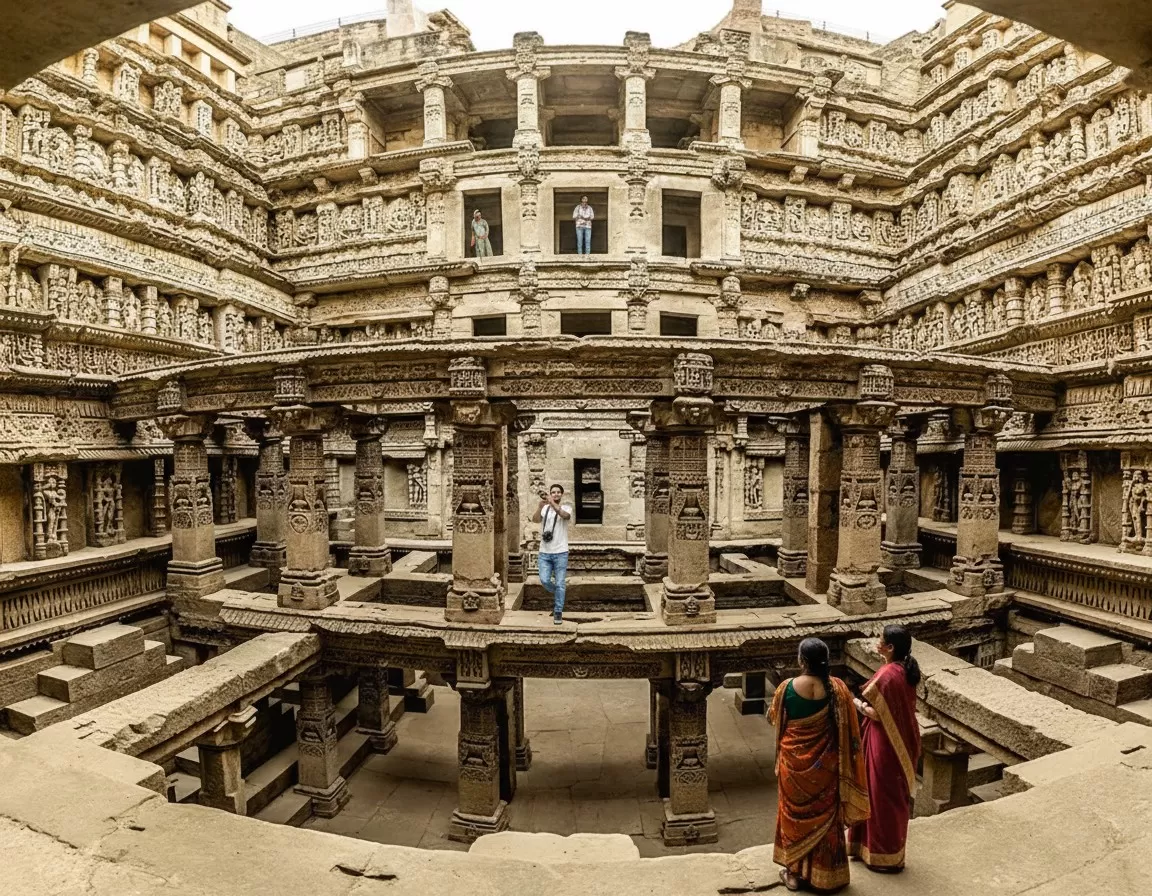
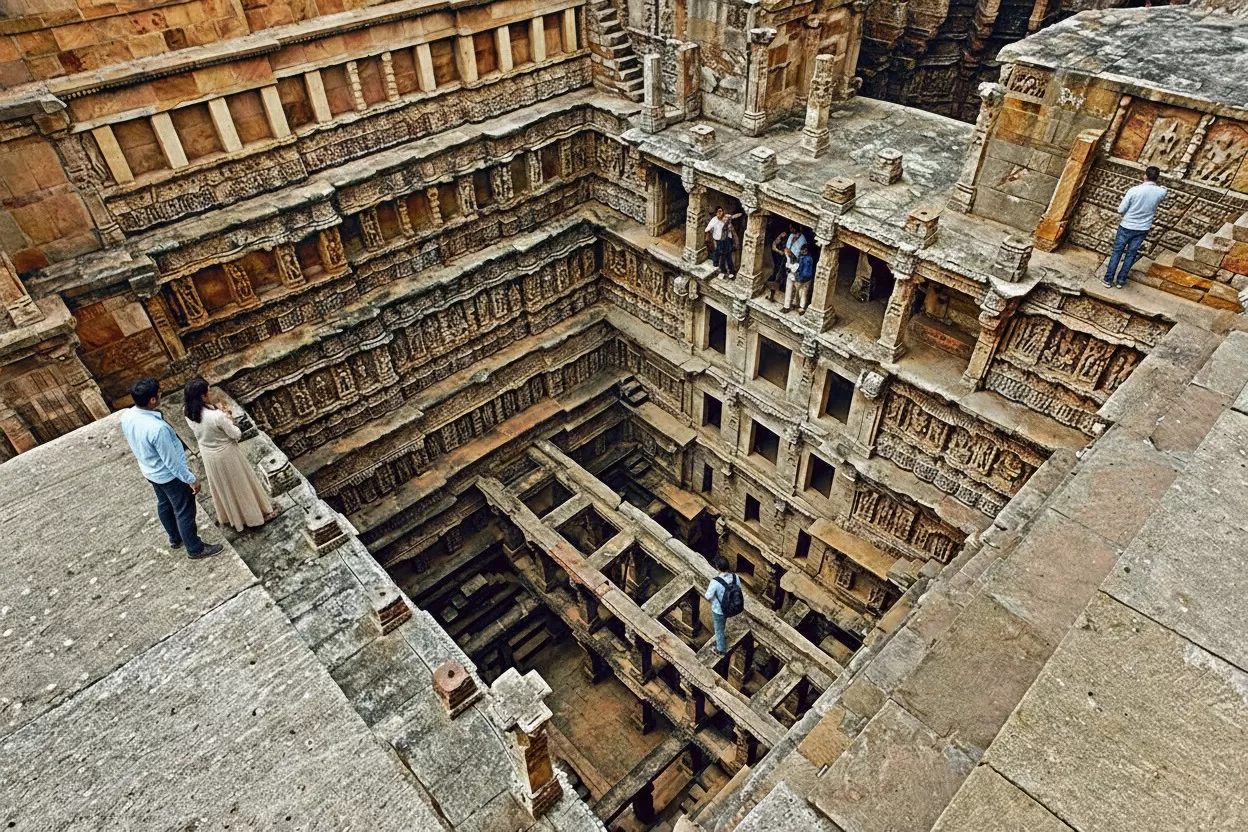
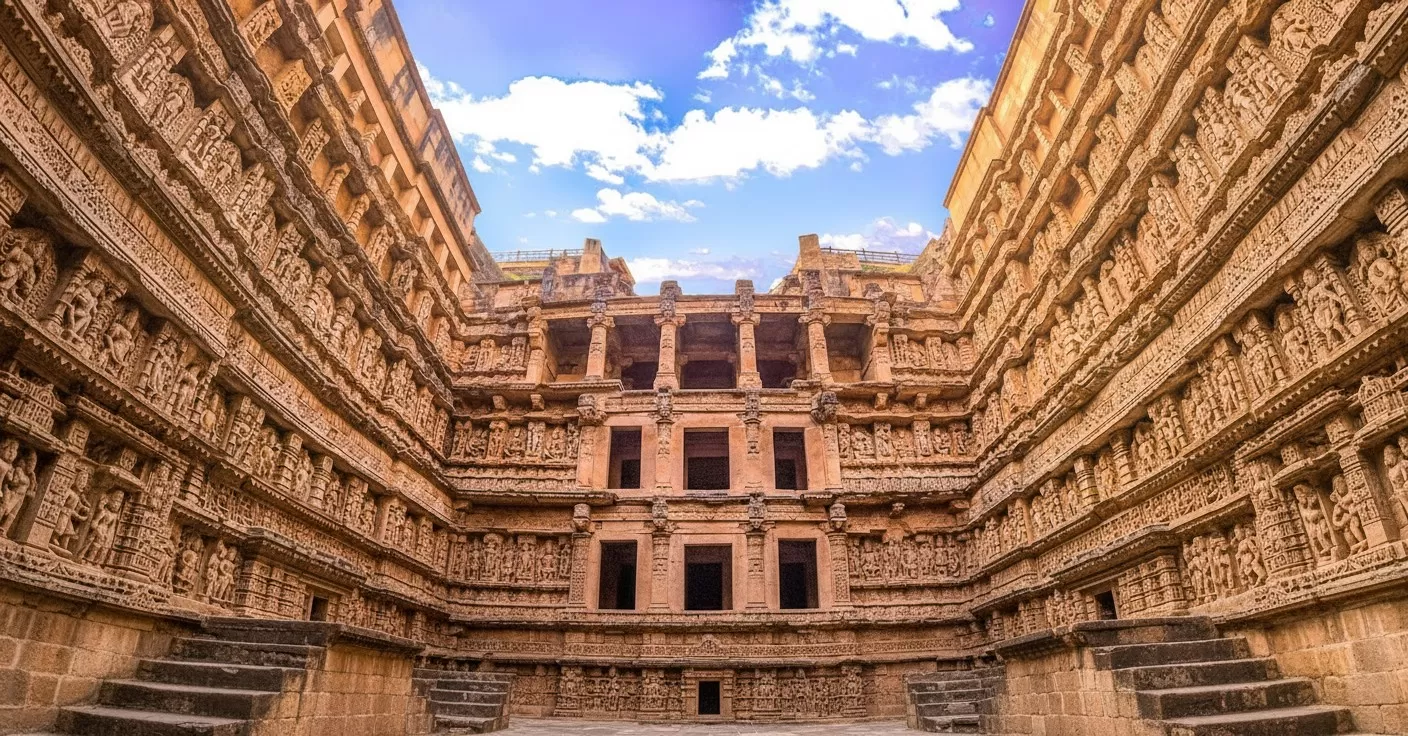
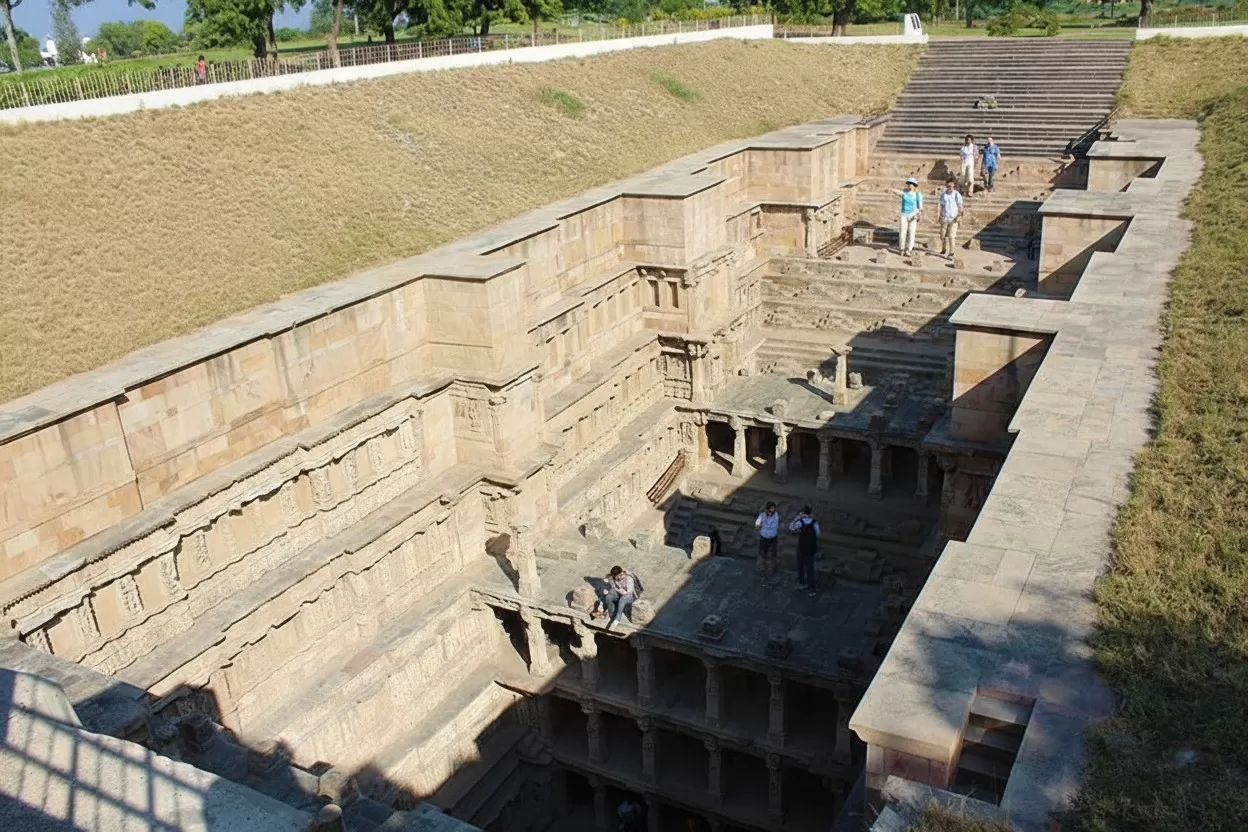
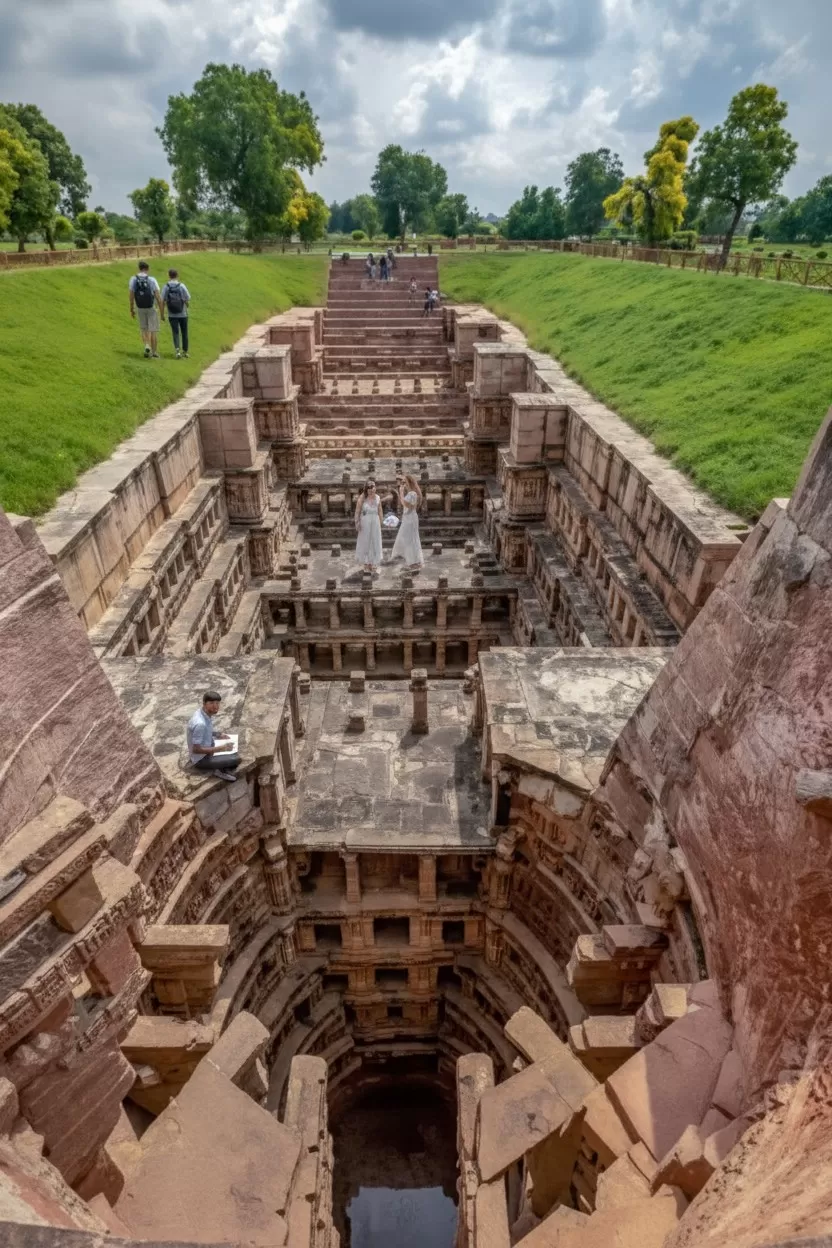
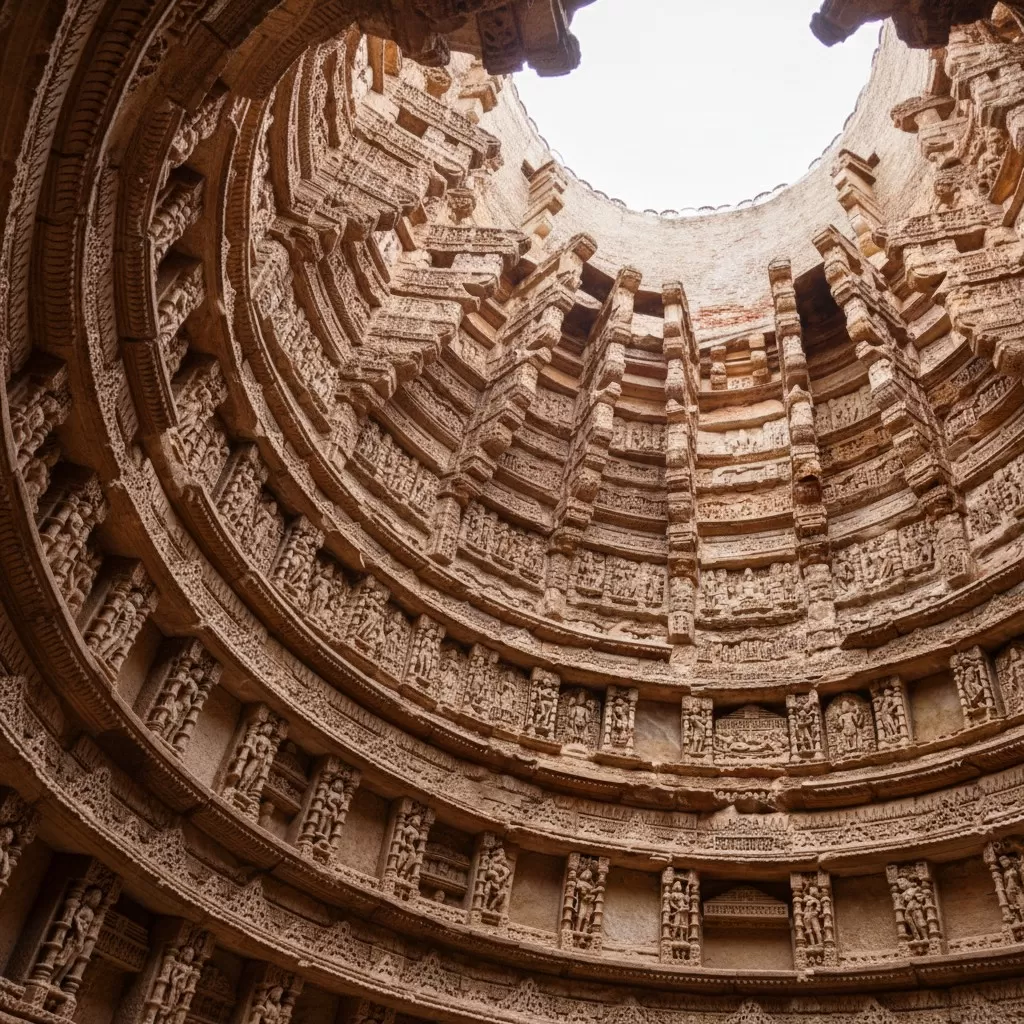
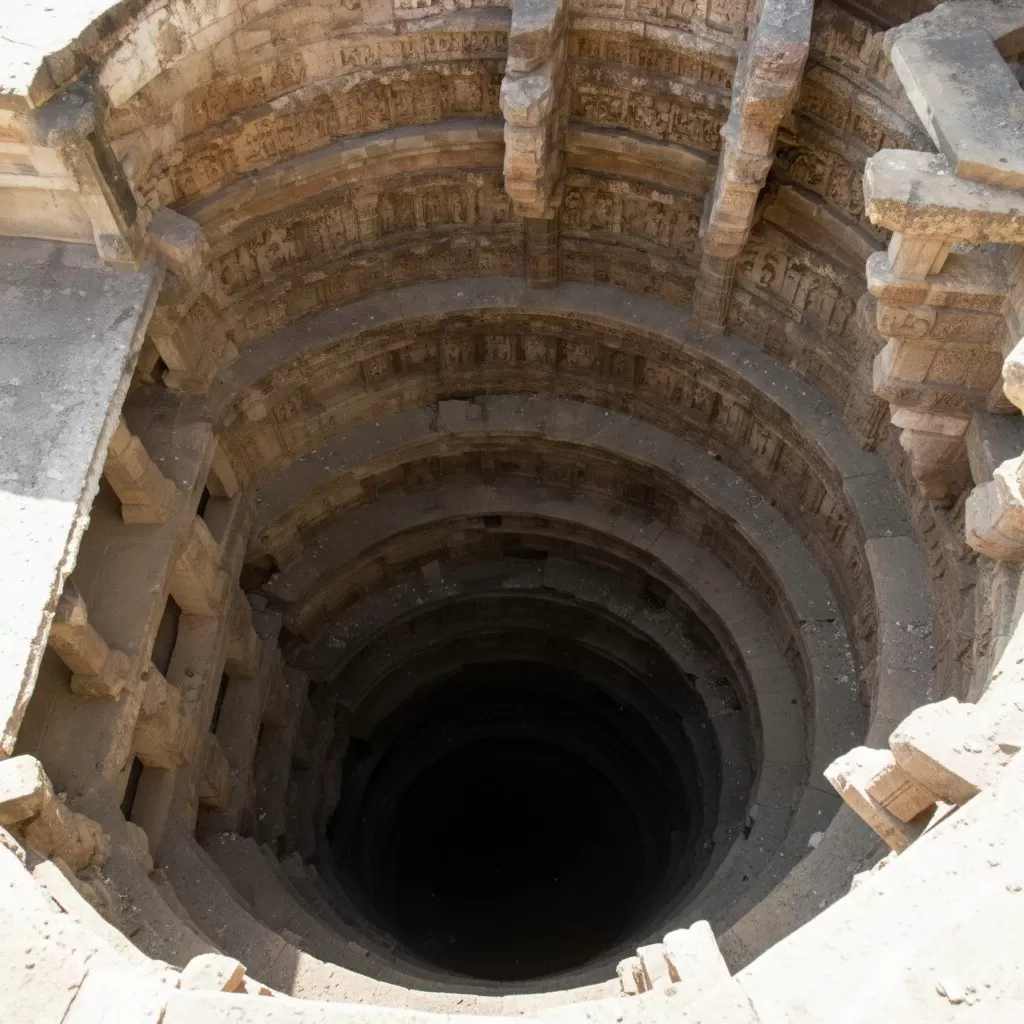
Rani ki Vav is one of India’s finest stepwells and a UNESCO World Heritage Site located in the historic town of Patan. Built during the 11th century by Queen Udayamati in memory of King Bhimdev I of the Solanki dynasty, this architectural masterpiece reflects the artistic brilliance of ancient India. Designed as an inverted temple, the stepwell is famous for its intricate carvings, beautifully sculpted pillars, and mythological figures. The structure descends several levels underground and once served as a water storage system as well as a spiritual and social gathering place.
Rani ki Vav is an extraordinary stepwell located in the historic town of Patan. Built in the 11th century by Queen Udayamati in memory of her husband King Bhimdev I, this magnificent monument is considered one of the finest examples of ancient Indian architecture and engineering. Recognized as a UNESCO World Heritage Site, the stepwell reflects the cultural richness and artistic excellence of the Solanki era.
The structure was designed not only as a water storage system but also as a spiritual and social space. Constructed in the form of an inverted temple, the stepwell descends through multiple levels adorned with intricately carved pillars, sculptures, and decorative panels. The walls display beautifully detailed figures of gods, goddesses, celestial beings, and scenes from mythology, especially the various avatars of Lord Vishnu.
One of the most fascinating aspects of Rani ki Vav is its architectural precision and underground cooling system. Even during hot weather, the lower levels remain pleasantly cool. The craftsmanship seen in every corner demonstrates the advanced artistic skills and engineering knowledge of ancient India.
The monument remained buried under silt for centuries due to flooding from the nearby Saraswati River and was later restored by the Archaeological Survey of India. Today, it attracts tourists, historians, photographers, and architecture lovers from around the world.
Visiting Rani ki Vav offers a unique opportunity to experience India’s glorious heritage, admire timeless stone artistry, and understand the importance of water conservation systems developed centuries ago. It stands as a symbol of beauty, devotion, and architectural brilliance.
The structure was designed not only as a water storage system but also as a spiritual and social space. Constructed in the form of an inverted temple, the stepwell descends through multiple levels adorned with intricately carved pillars, sculptures, and decorative panels. The walls display beautifully detailed figures of gods, goddesses, celestial beings, and scenes from mythology, especially the various avatars of Lord Vishnu.
One of the most fascinating aspects of Rani ki Vav is its architectural precision and underground cooling system. Even during hot weather, the lower levels remain pleasantly cool. The craftsmanship seen in every corner demonstrates the advanced artistic skills and engineering knowledge of ancient India.
The monument remained buried under silt for centuries due to flooding from the nearby Saraswati River and was later restored by the Archaeological Survey of India. Today, it attracts tourists, historians, photographers, and architecture lovers from around the world.
Visiting Rani ki Vav offers a unique opportunity to experience India’s glorious heritage, admire timeless stone artistry, and understand the importance of water conservation systems developed centuries ago. It stands as a symbol of beauty, devotion, and architectural brilliance.