
• Agra • Uttar Pradesh
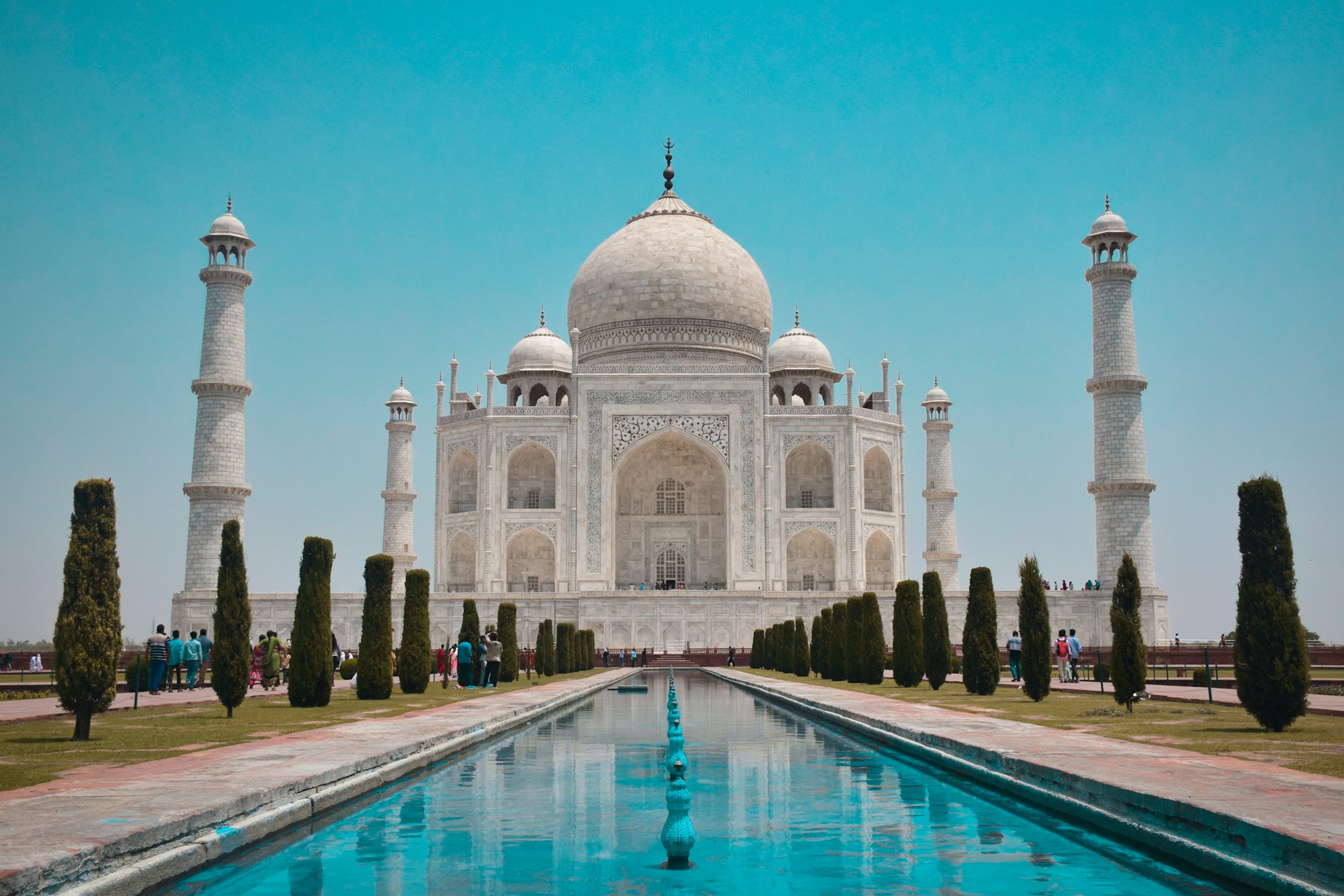
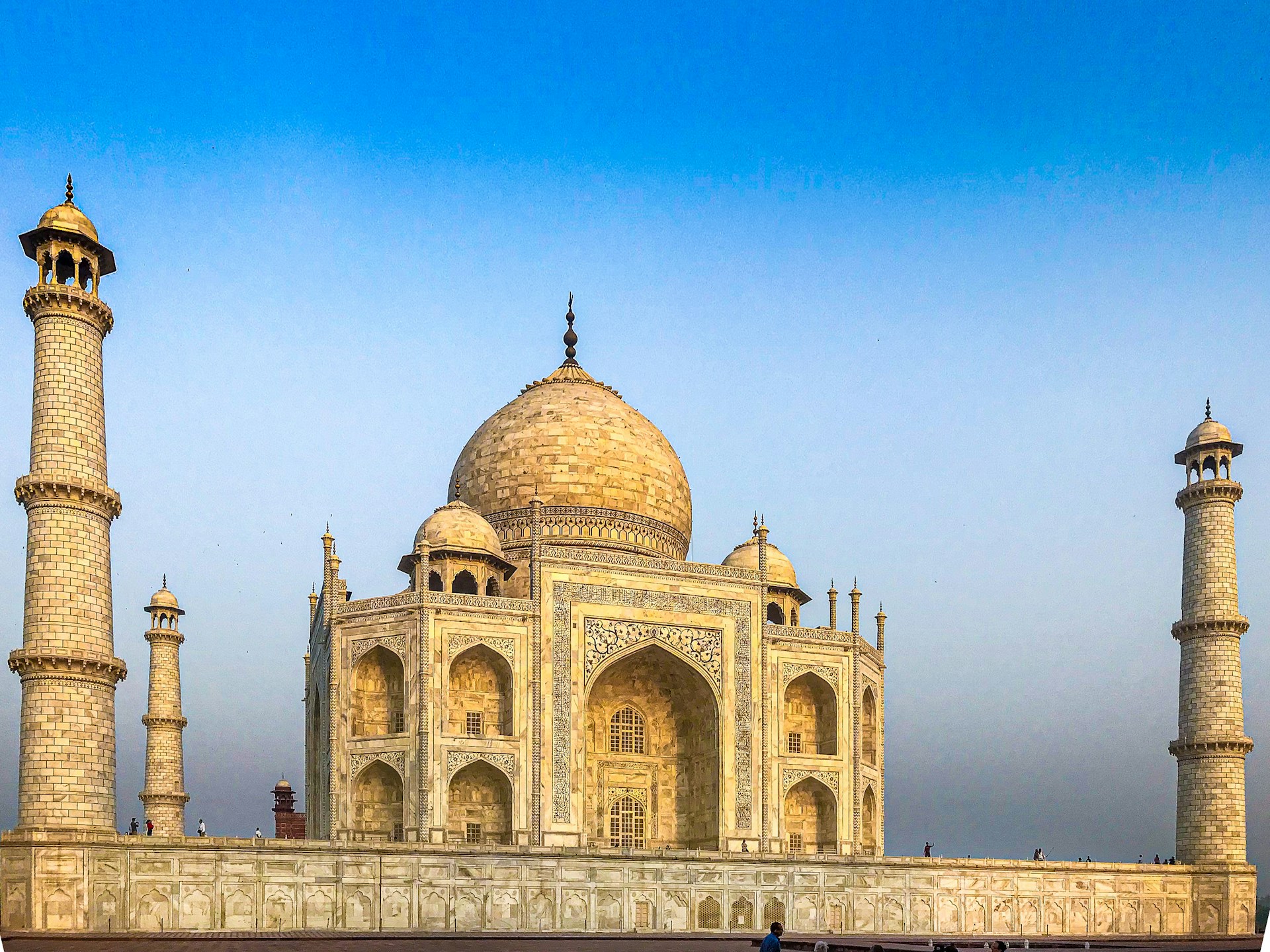
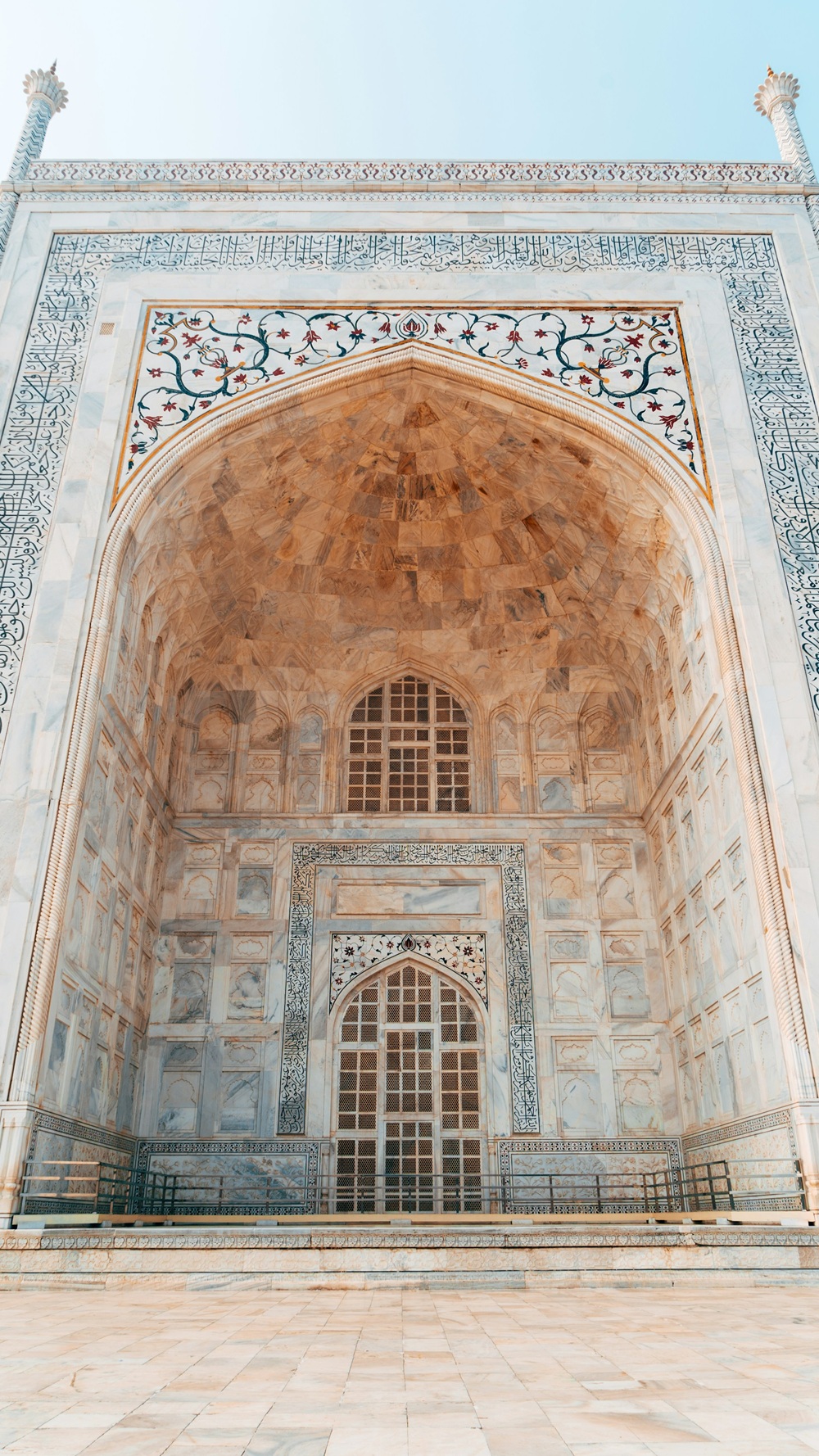
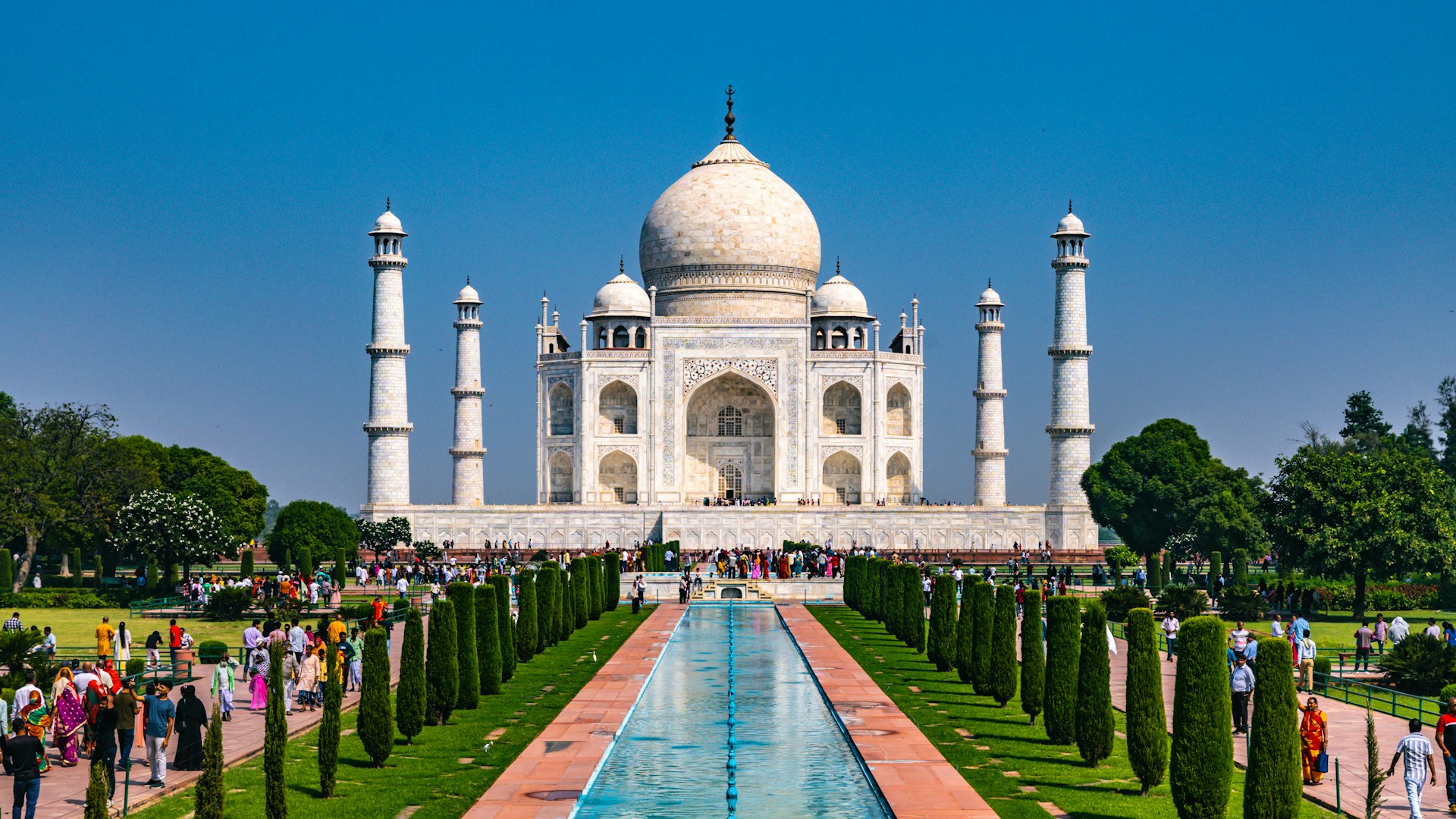
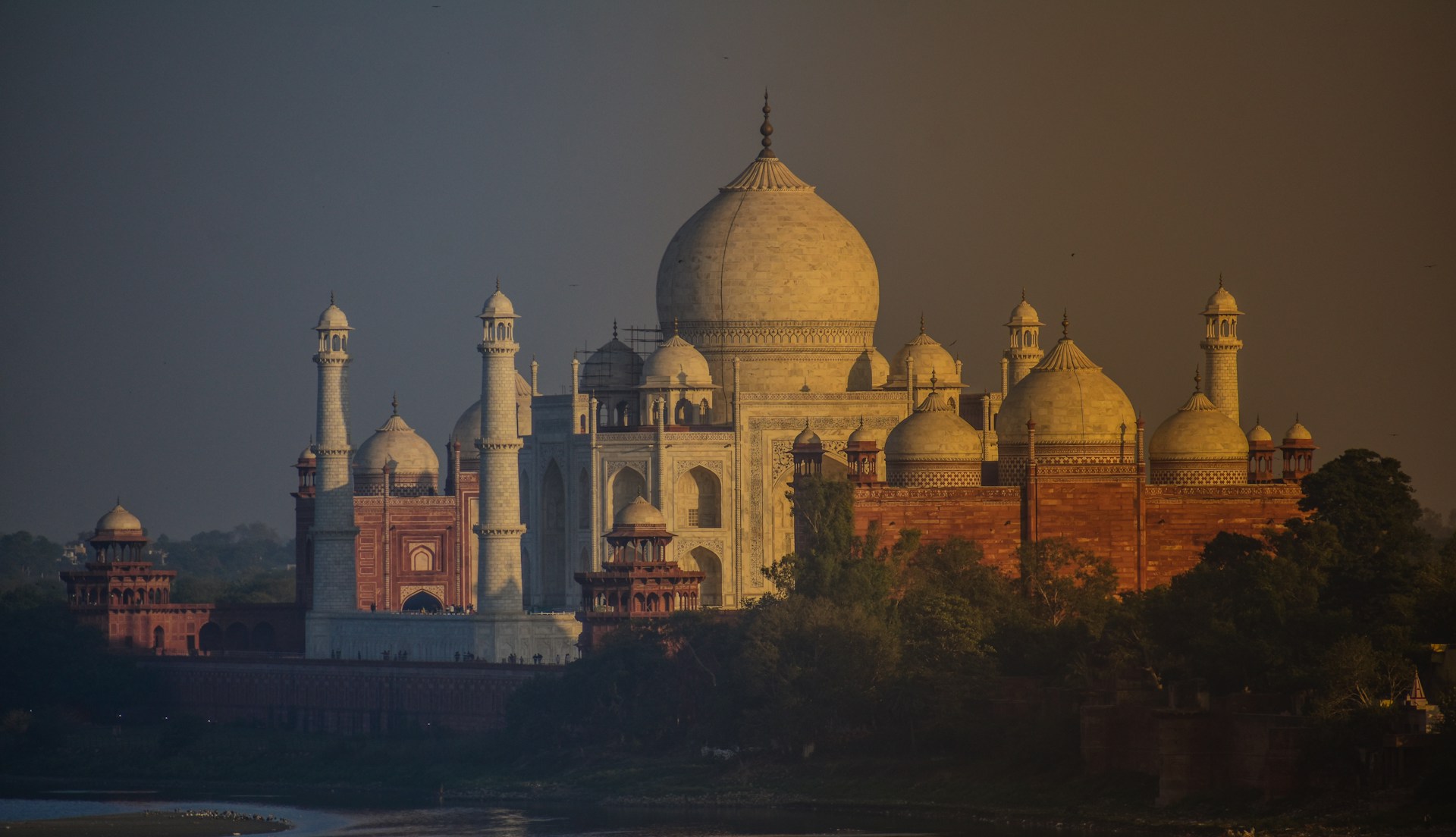
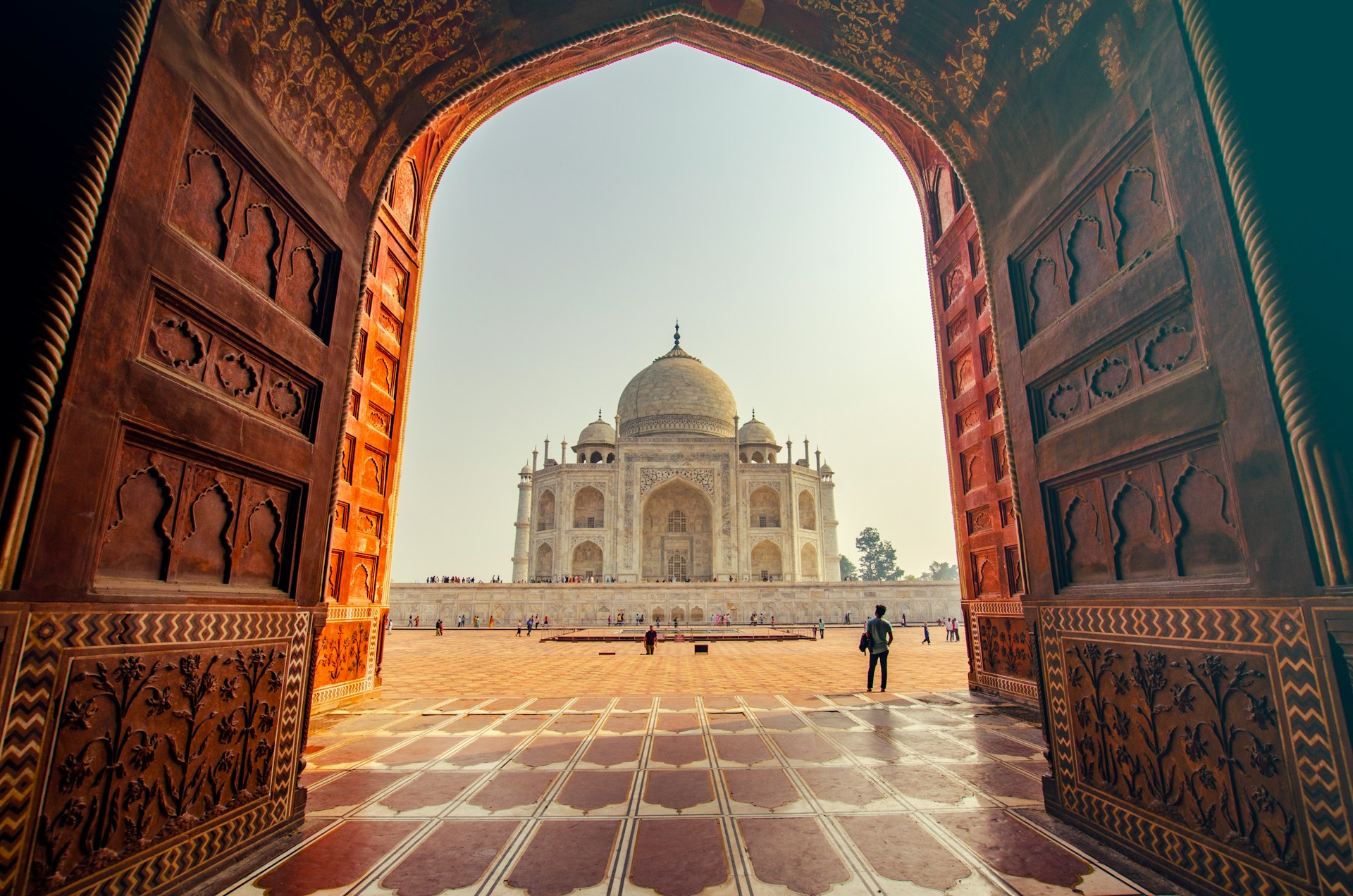
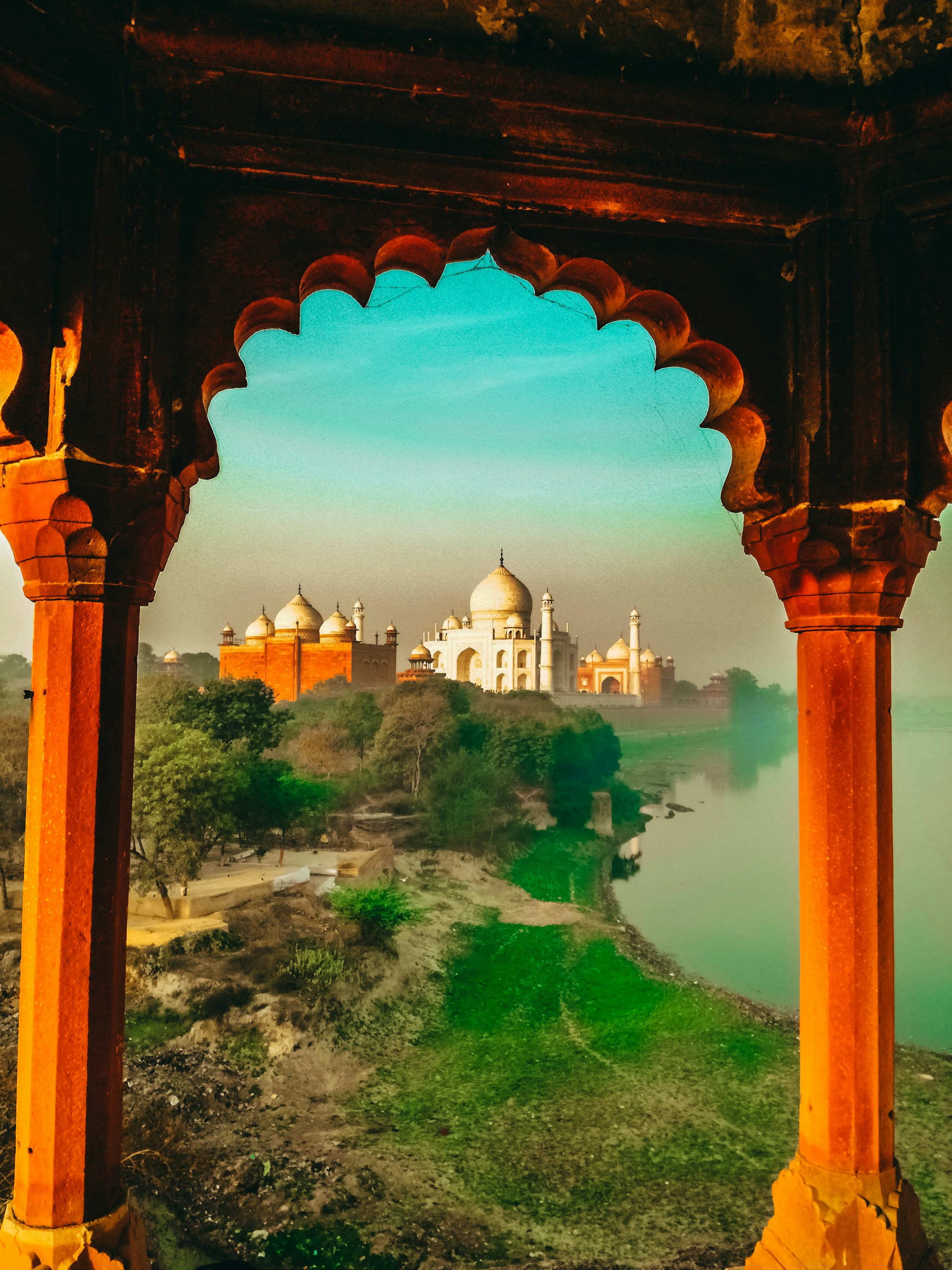
Historical PlaceThe Taj Mahal is a stunning ivory-white marble mausoleum in Agra, India, built by Mughal Emperor Shah Jahan for his beloved wife, Mumtaz Mahal, and stands as a UNESCO World Heritage Site and symbol of eternal love. Completed in 1648, this masterpiece of Mughal architecture features perfect symmetry, intricate floral inlay (pietra dura) with semi-precious stones, and a complex including gardens, a mosque, and a guest house, all set along the Yamuna River.
Key Features & Details:
Symbol of Love: Commissioned by Shah Jahan after Mumtaz Mahal's death, it's renowned as the ultimate expression of love.
Architecture: A pinnacle of Indo-Islamic style, known for its harmonious blend of Persian, Islamic, and Indian elements, perfect symmetry, and balance.
Materials & Craftsmanship: Constructed from white marble inlaid with precious and semi-precious stones like jade, lapis lazuli, and carnelian, showcasing exquisite craftsmanship.
Complex Layout: More than just the tomb, the complex includes a mosque, a guest house (jawab), gardens, and gateways, all built in red sandstone and marble.
UNESCO Heritage: Designated a World Heritage Site in 1983, recognized for its unique aesthetic and architectural excellence.
Location: Sits on the south bank of the Yamuna River in Agra, Uttar Pradesh, India.
What is the best time to visit?
Oct - March
What is the entry fee?
₹ 50 - 1100