Tourist Sites Near Me – Best Places to Visit Nearby
Amer fort
amer • Jaypur • Rajasthan
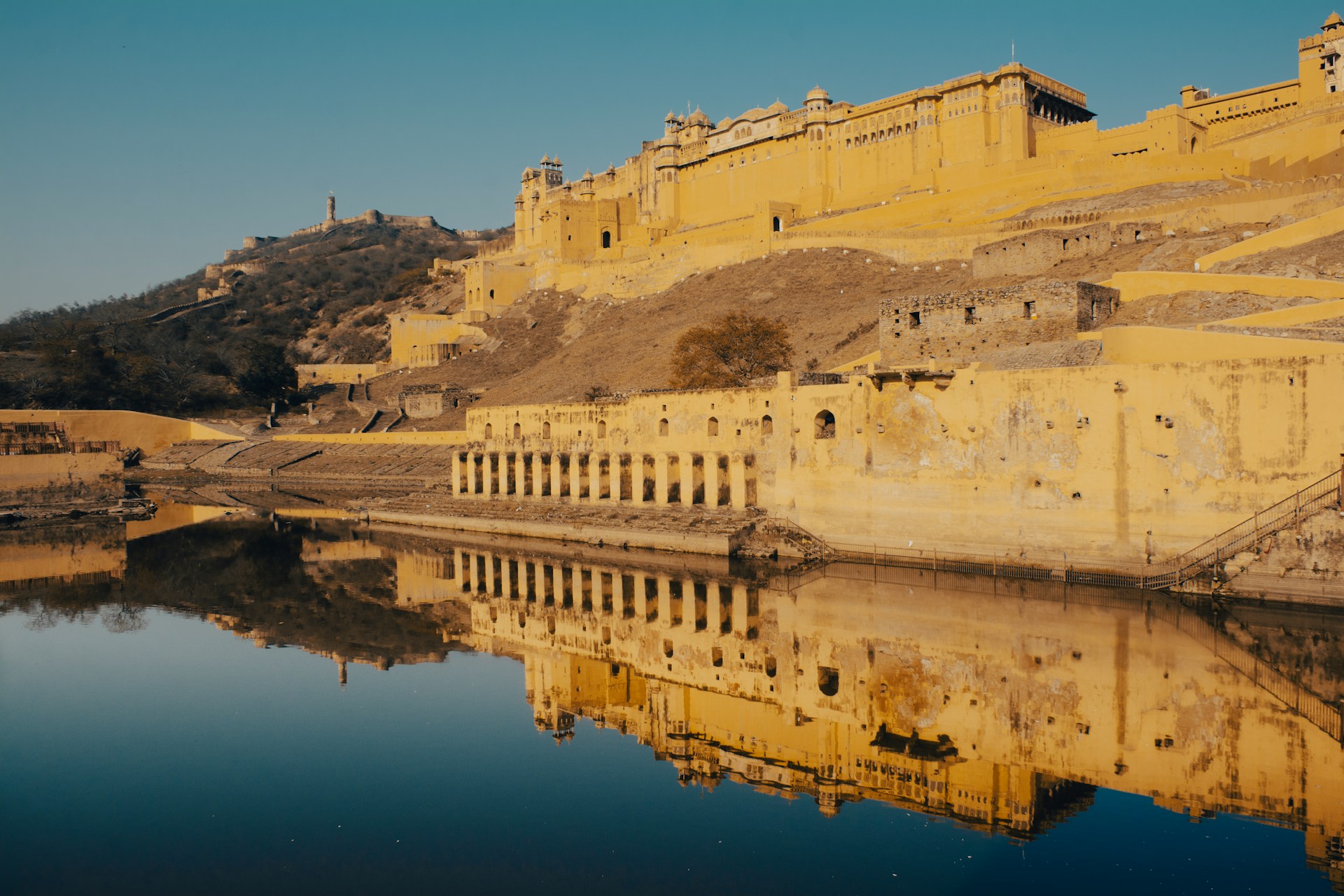
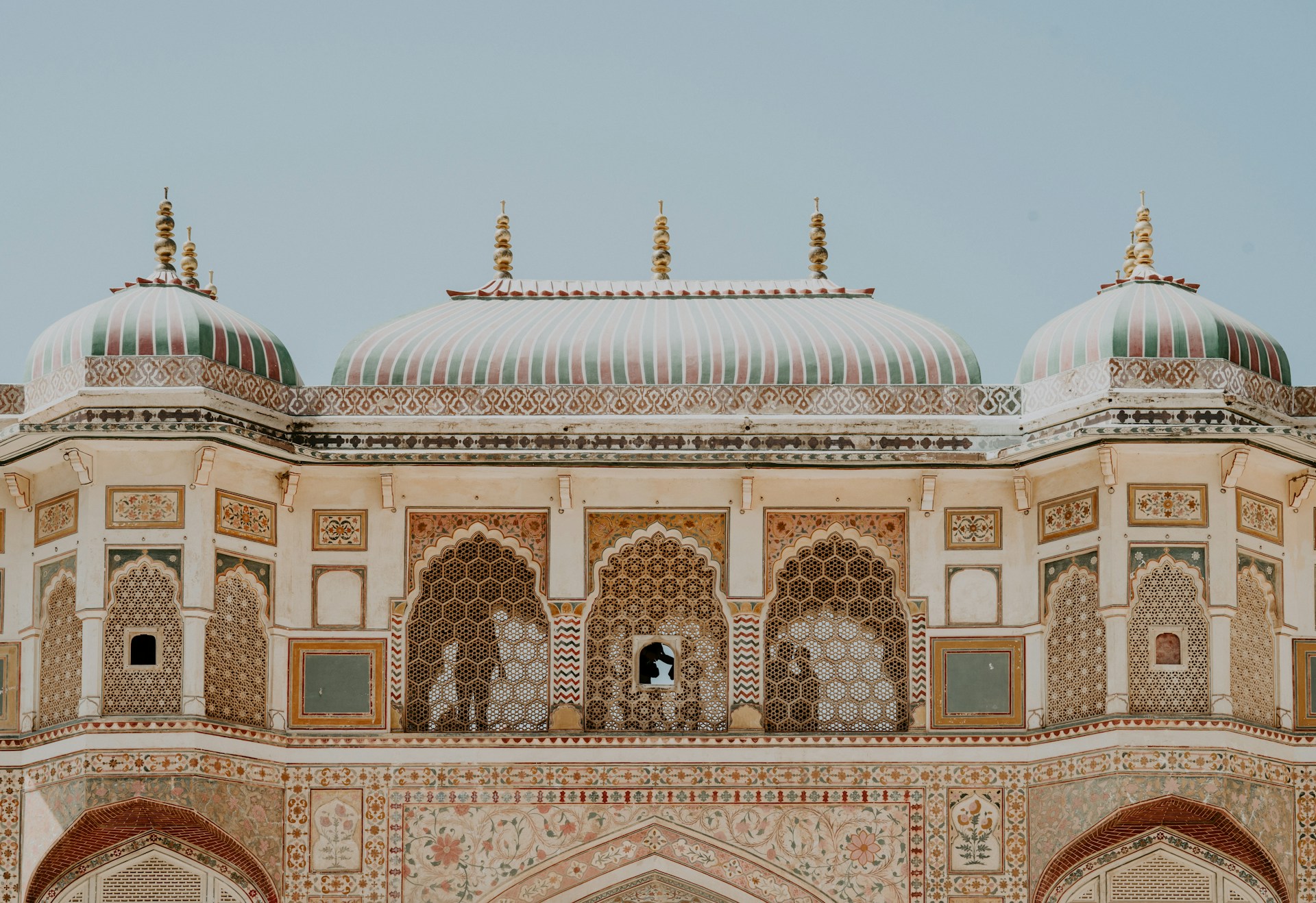
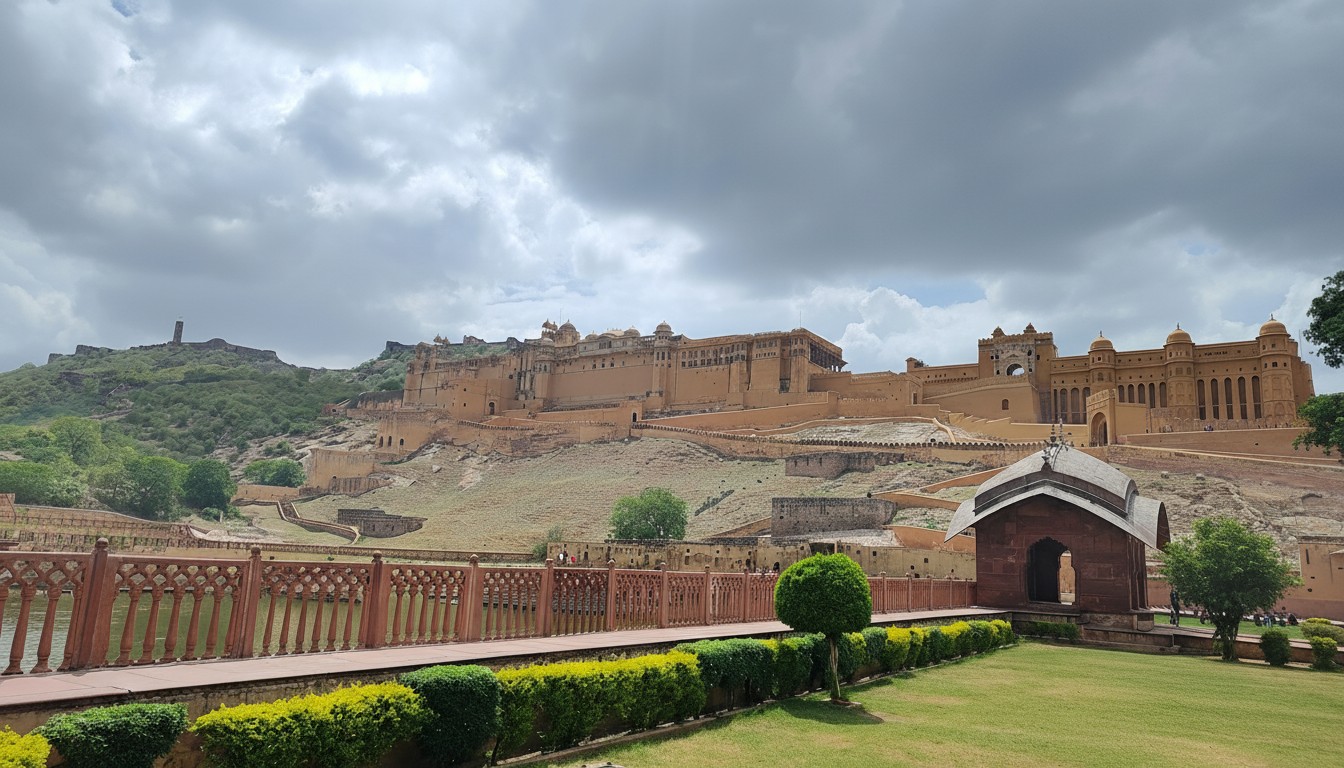
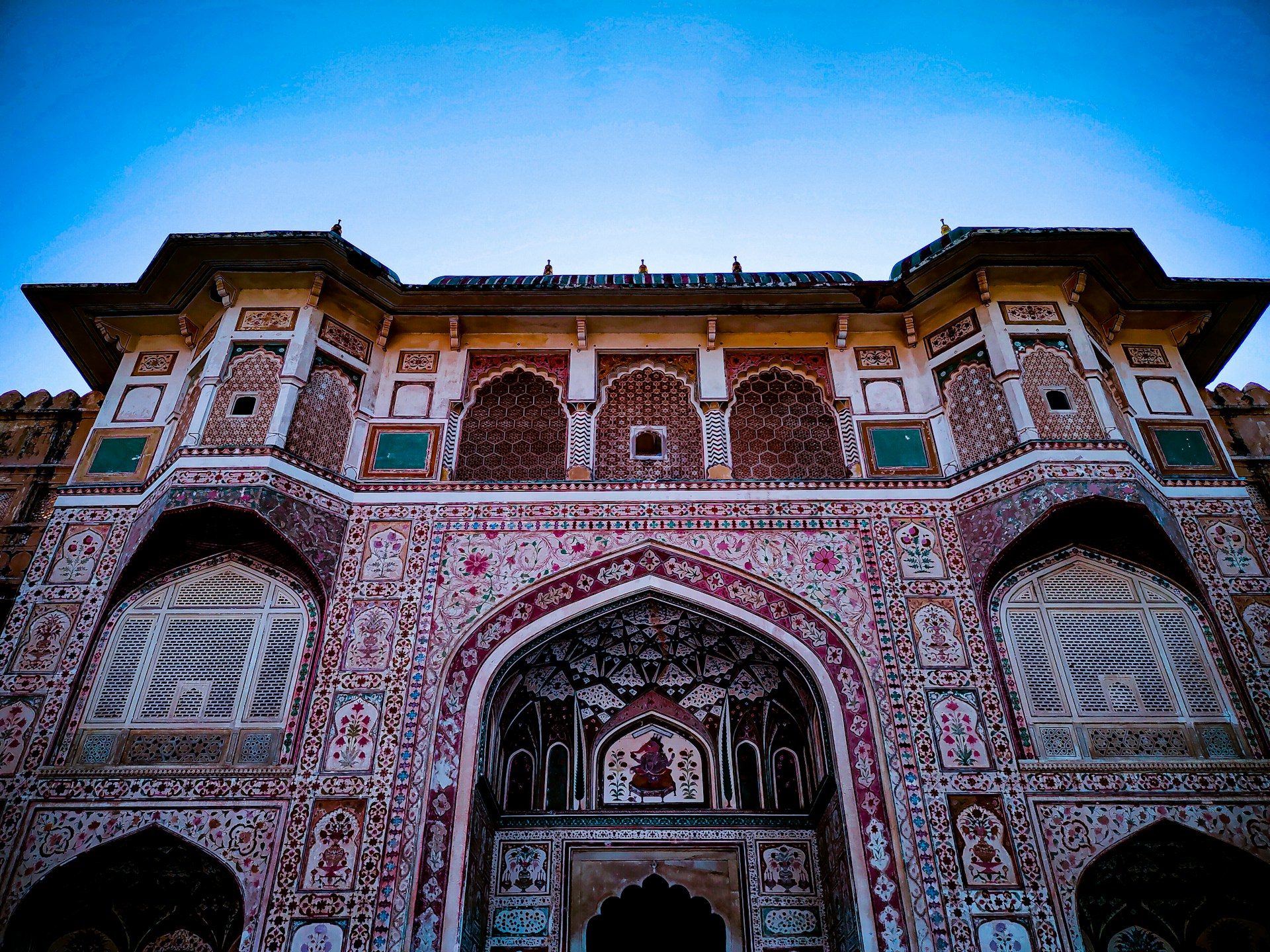
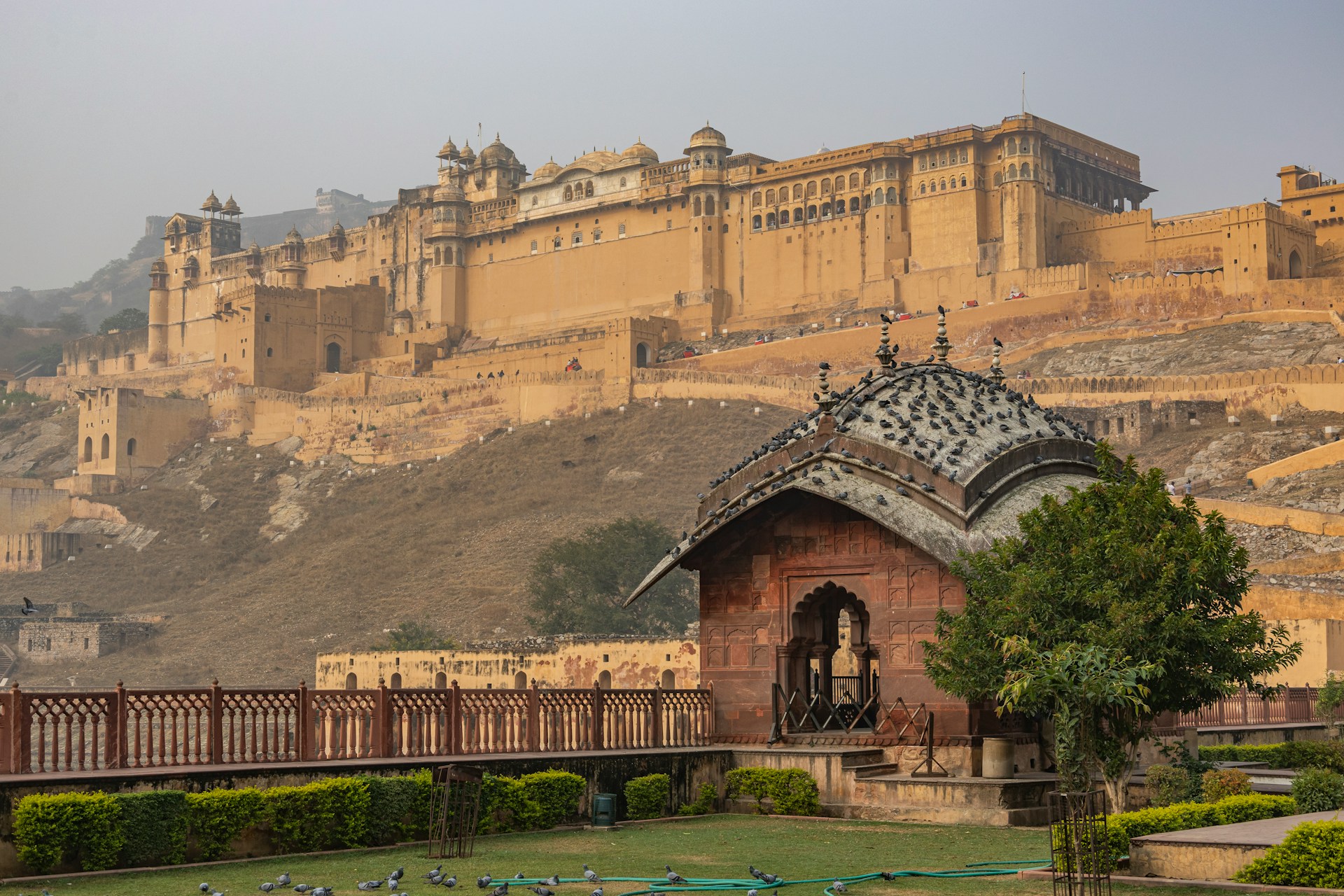
Amer Fort, also known as Amber Fort, is one of the most magnificent forts in India. Located about 11 kilometers from Jaipur in the state of Rajasthan, the fort was built primarily by Raja Man Singh I in 1592 and later expanded by successive rulers. Constructed from red sandstone and marble, the fort showcases a beautiful blend of Rajput and Mughal architectural styles. It is famous for its grand palaces, intricate mirror work, artistic carvings, spacious courtyards, and breathtaking views of the surrounding hills and lakes.
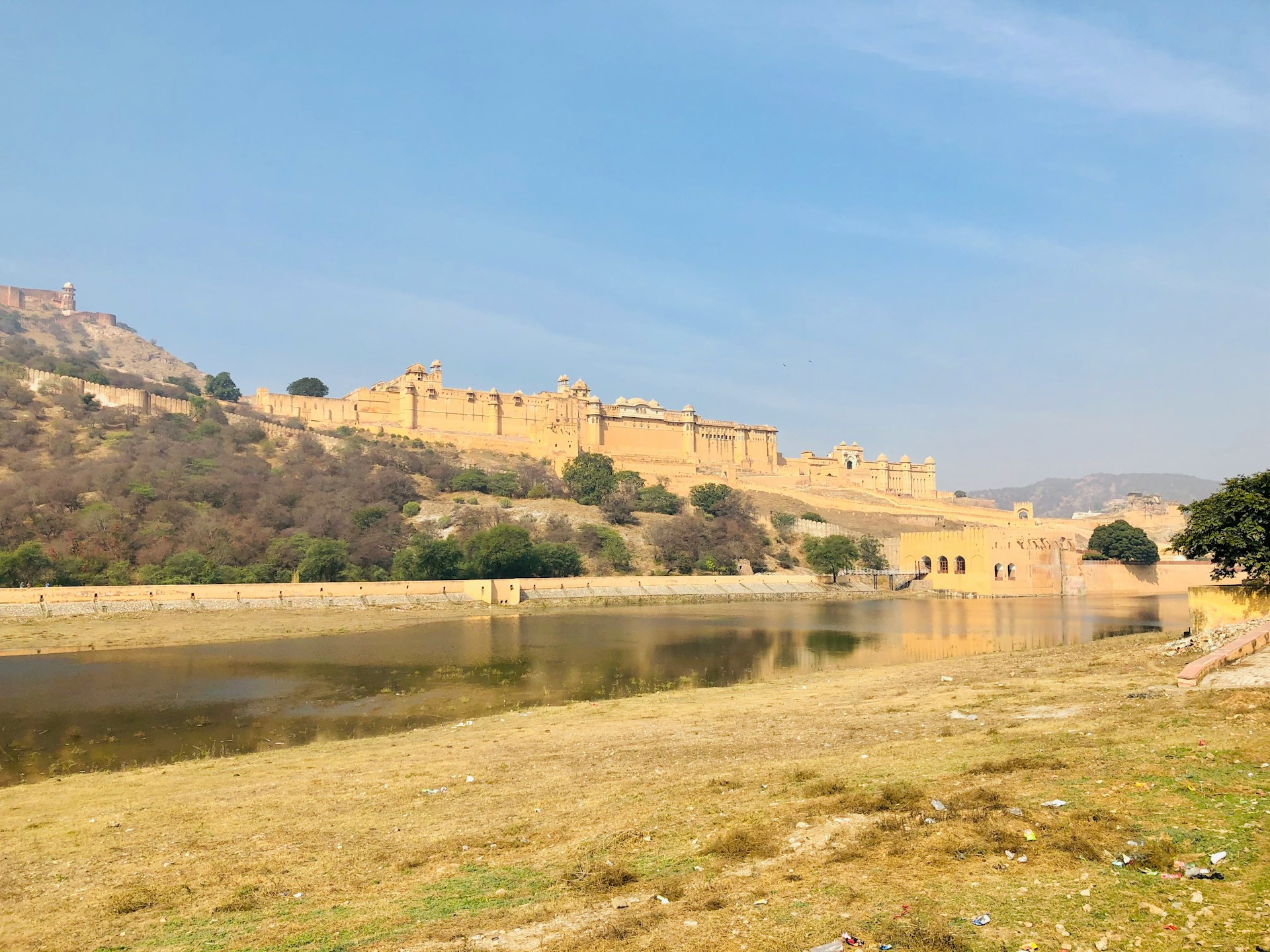
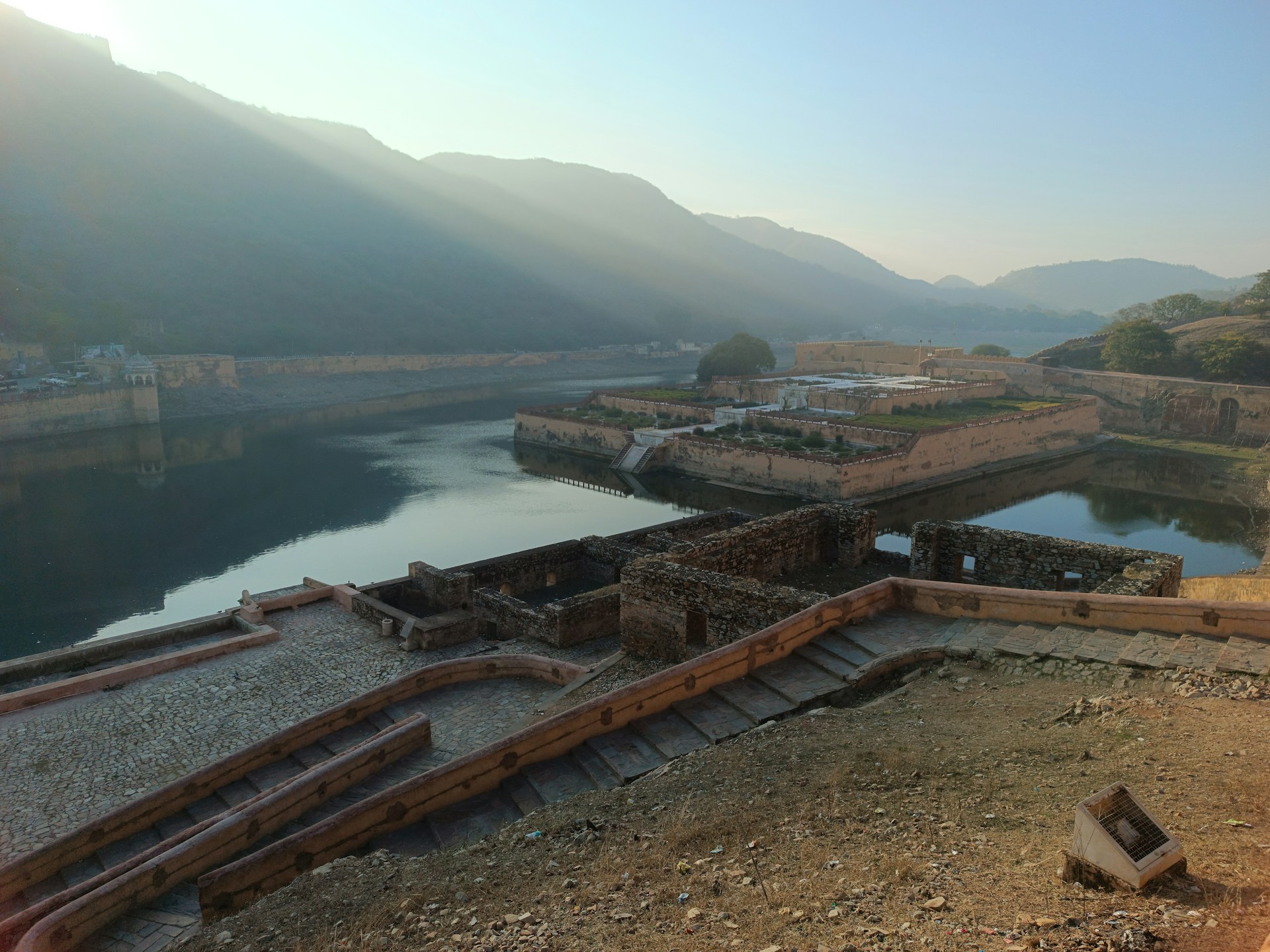
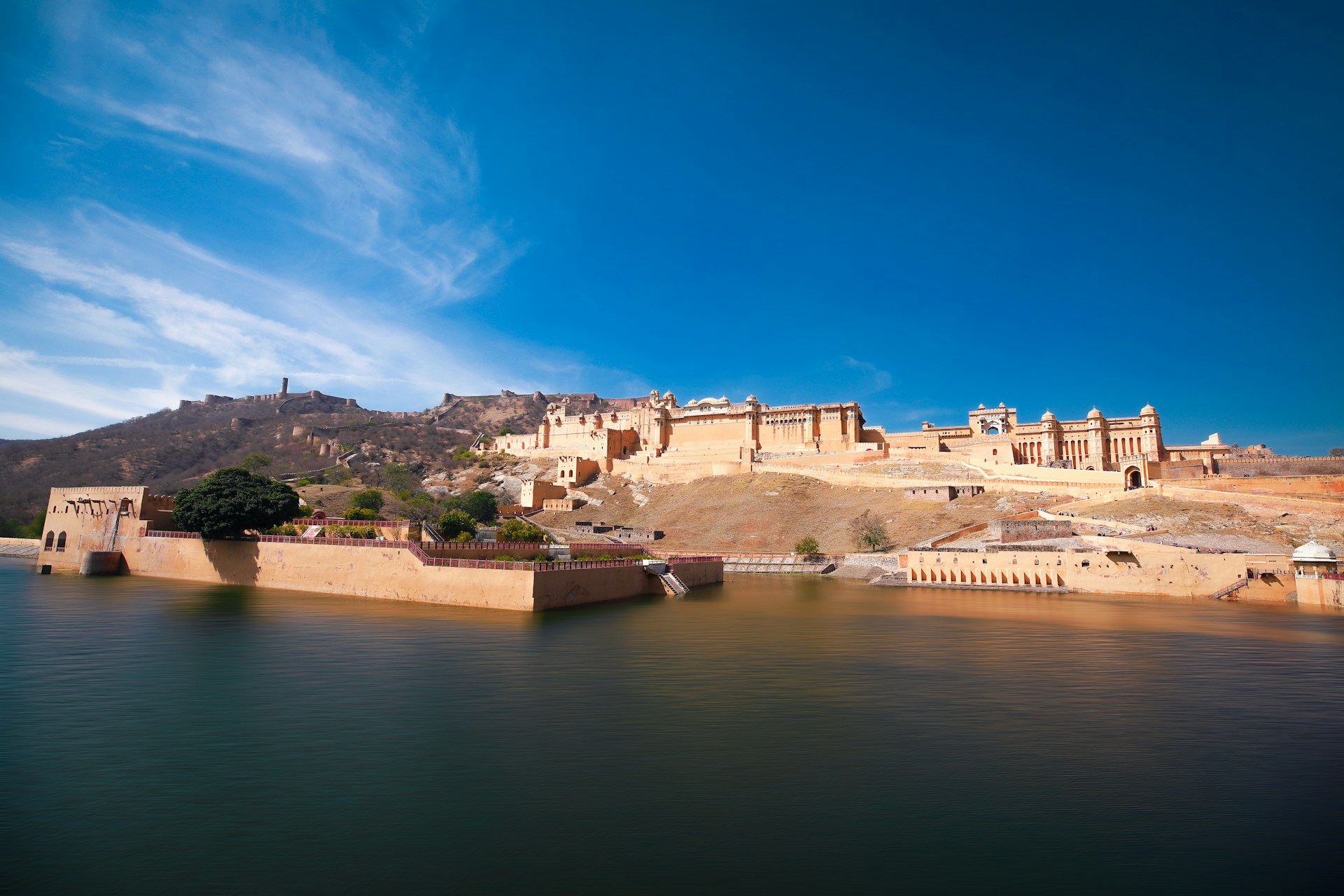
Amer Fort, popularly known as Amber Fort, is one of Rajasthan's most famous historical monuments and a symbol of India's rich cultural heritage. Situated on a hill overlooking Maota Lake near Jaipur, the fort attracts millions of visitors every year. Built in 1592 by Raja Man Singh I and expanded by later rulers of the Kachwaha dynasty, the fort represents a remarkable blend of Rajput and Mughal architectural styles.
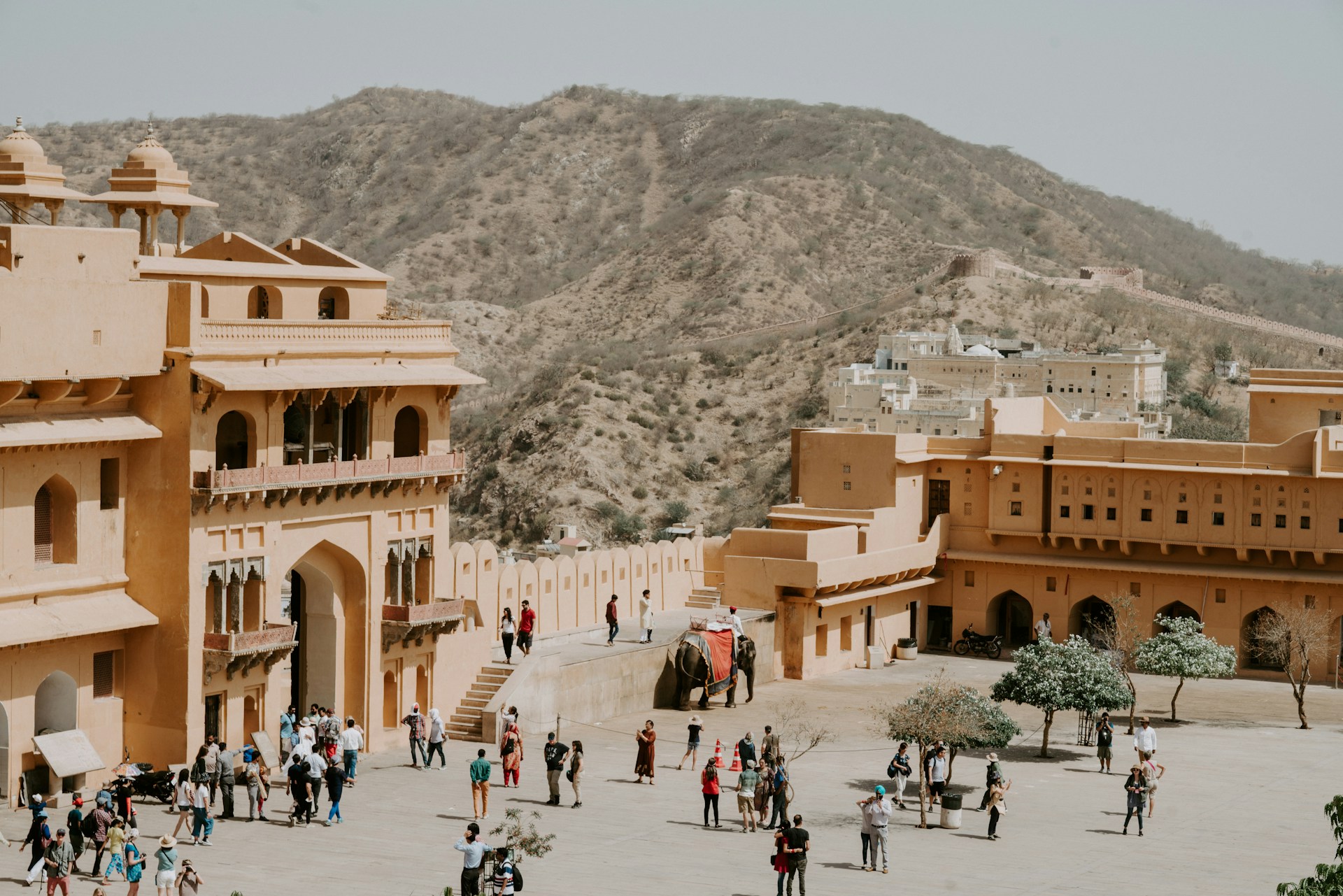
Constructed using red sandstone and white marble, Amer Fort is known for its impressive gateways, magnificent palaces, beautifully decorated halls, and intricate artwork. The fort complex includes several notable structures such as the Sheesh Mahal, Ganesh Pol, Diwan-i-Aam, Diwan-i-Khas, and Sukh Niwas. Among these, the Sheesh Mahal is particularly famous for its exquisite mirror work that reflects light in a dazzling manner, creating a magical atmosphere.
The fort's strategic hilltop location provided excellent defense while offering stunning views of the surrounding Aravalli Hills and Maota Lake. Visitors can explore large courtyards, royal chambers, temples, and gardens that showcase the grandeur of Rajput royal life. The architecture demonstrates exceptional craftsmanship through delicate carvings, colorful frescoes, lattice windows, and decorative paintings.
Amer Fort is also recognized as part of the UNESCO World Heritage-listed Hill Forts of Rajasthan, highlighting its historical and cultural significance. Beyond its architectural beauty, the fort offers valuable insights into the lifestyle, traditions, and military strength of Rajasthan's royal families. Whether admired for its history, artistic excellence, or scenic surroundings, Amer Fort remains one of India's most treasured tourist destinations. A visit to this magnificent fort provides an unforgettable experience and a deeper appreciation of Rajasthan's glorious past and architectural brilliance.
🎯 Things to do
- Explore Sheesh Mahal/ Diwan-e-Aam/Diwan-e-Khas
- Visit Shila Devi Temple inside the fort Walk through ornate courtyards and ancient halls. Photography: Especially popular at sunrise/sunset
- Heritage Walks: Learn history and architecture with a guide
- Light & Sound Show: Evening cultural storytelling
- Elephant or Jeep Ride up the ramparts (available in morning hours).
📍 Near By
- Panna Meena ka Kund (Stepwell): Symmetrical ancient well ~1 km away
- Jaigarh Fort: Historic fort with large cannon and panoramic views ~4 km away
- Nahargarh Fort: Hilltop fort offering sunset views and Jaipur panoramas ~7 km away
- Maota Lake: Scenic lake at the base of Amer Fort
- Kanak Vrindavan Gardens: Beautiful garden near the hills leading to Amer.
🛣️ How to Reach
By Air :- The nearest airport is Jaipur International Airport approximately 25 km from Amer Fort. Taxis app-based cabs and buses are readily available from the airport.,
By Train :- The nearest railway station is Jaipur Junction Railway Station about 13 km away. Jaipur is well connected to major Indian cities such as Delhi Mumbai Ahmedabad and Kolkata.
By Bus :- Jaipur has excellent road connectivity with major cities in Rajasthan and neighboring states. Regular government and private buses operate to Jaipur. From Jaipur city local buses taxis and auto-rickshaws can be used to reach Amer Fort.
By Road :- Visitors can drive directly to Amer Fort via well-maintained roads. Parking facilities are available near the fort.
⭐ Why Visit
Stunning Rajput architecture.,
Famous Sheesh Mahal (Mirror Palace).,
Spectacular hilltop location and scenic views.,
Rich historical significance.,
Beautiful courtyards gardens and palaces.,
Excellent photography opportunities.,
UNESCO World Heritage recognition as part of the Hill Forts of Rajasthan UNESCO World Heritage Site.
💡 Travel Tips
Visit early morning to avoid crowds and heat.,
Wear comfortable walking shoes.,
Carry water sunscreen and a hat especially during summer.,
Hire an authorized guide for a better understanding of the fort's history.,
Keep a camera ready for panoramic views.,
Avoid visiting during peak afternoon hours in summer.
🌟 Special Features
Sheesh Mahal: Thousands of mirrors create dazzling reflections.,
Ganesh Pol: An ornate gateway decorated with colorful frescoes.,
Diwan-i-Aam: Hall for public audiences.,
Diwan-i-Khas: Hall for private meetings.,
Sukh Niwas: Ancient cooling system using water channels.,
Maota Lake: Enhances the fort's scenic beauty.

Auroville
Auroville • Viluppuram • Tamil Nadu
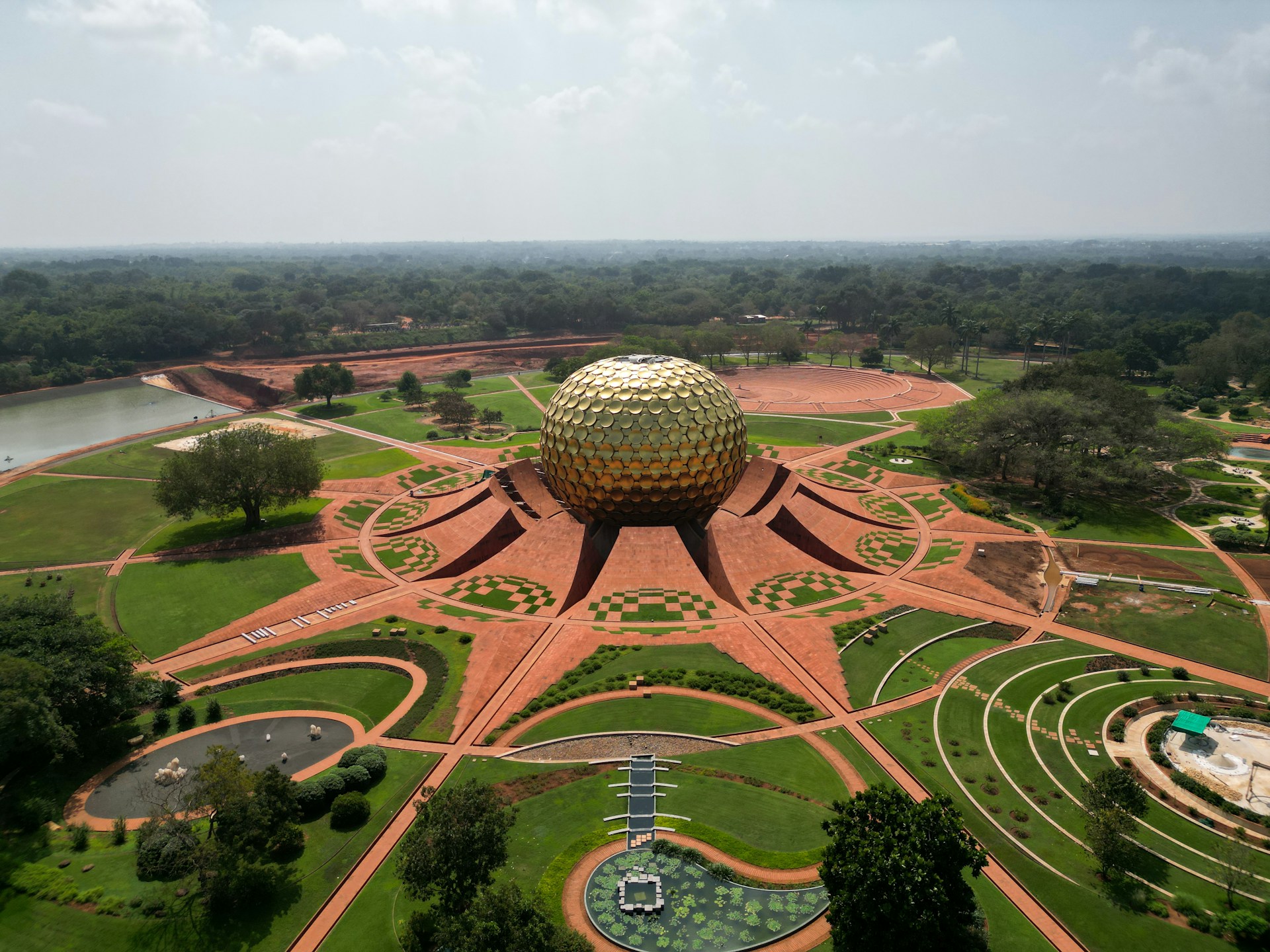
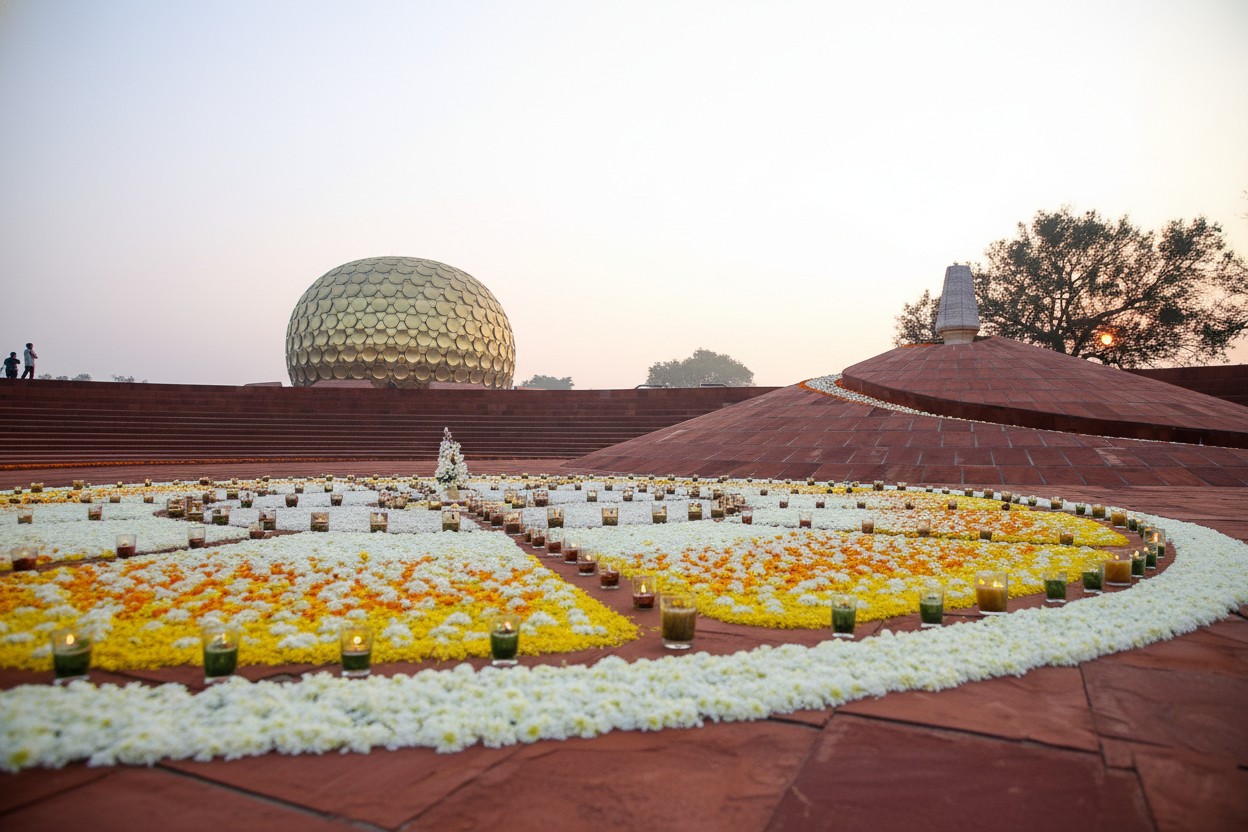
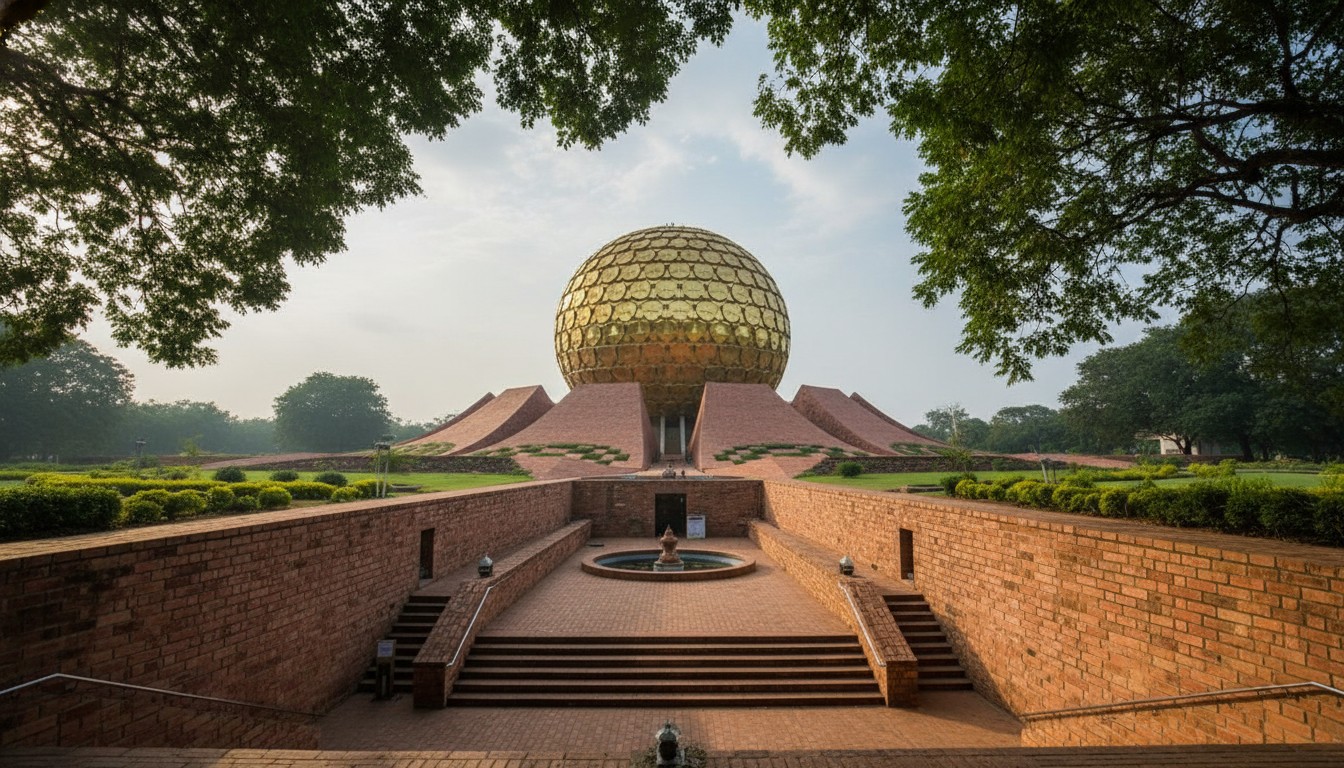
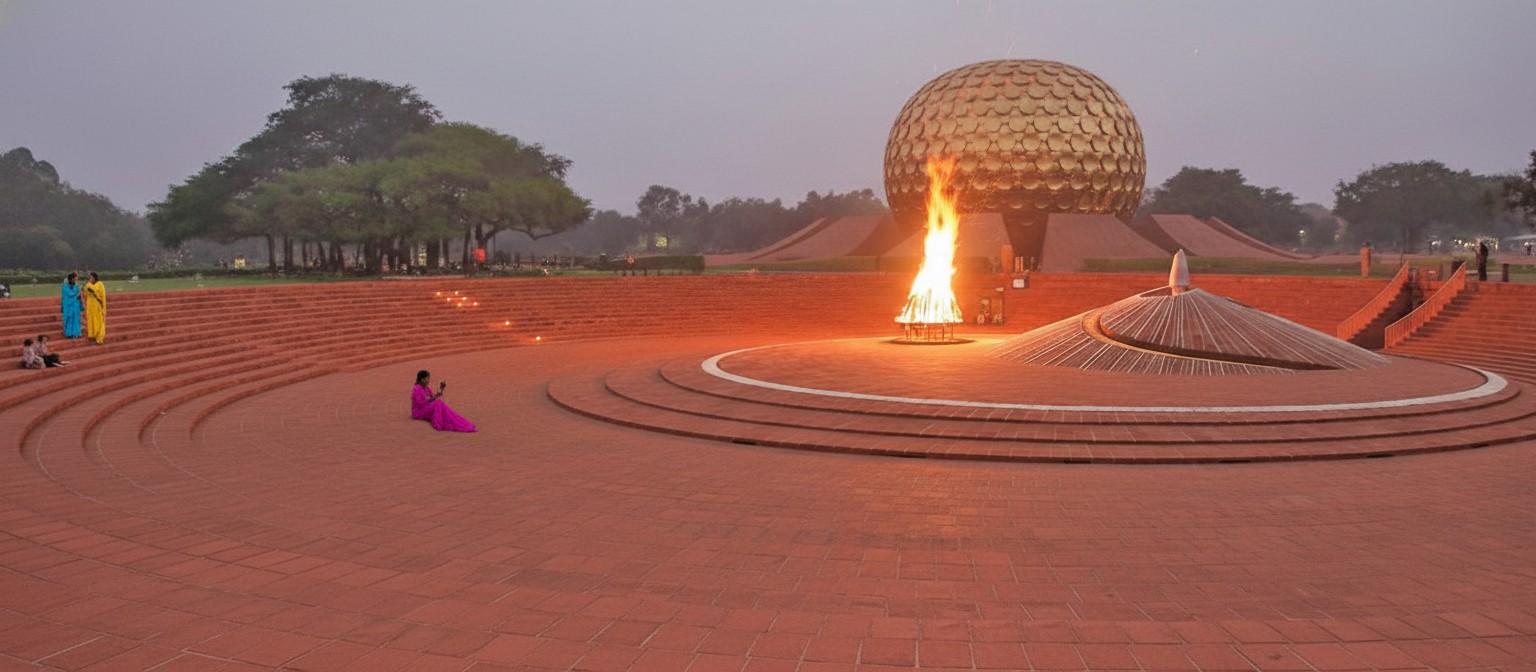
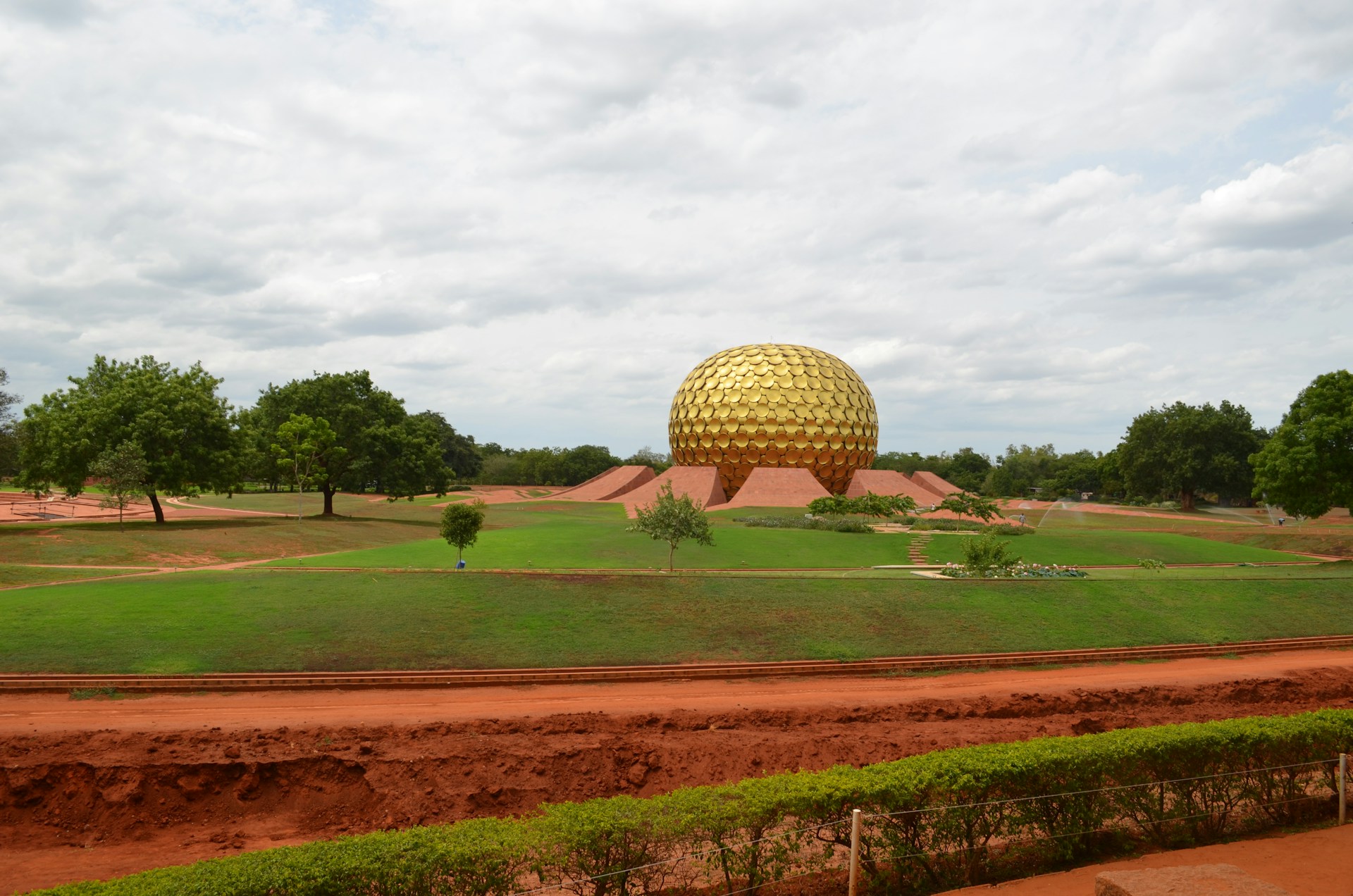
Auroville is an international township founded in 1968 by Mirra Alfassa, inspired by the teachings of Sri Aurobindo. Located about 10 km from Puducherry, Auroville was created as a universal town where people from different countries, cultures, and backgrounds can live together in peace and harmony. Its most famous landmark is the Matrimandir, a golden spherical structure surrounded by beautiful gardens.
Auroville is a unique international township located near Puducherry in Tamil Nadu, India. Established in 1968, it was envisioned by Mirra Alfassa, known as “The Mother,” with the support of Sri Aurobindo’s philosophy of human unity. The township was created as a place where people from all nations could live together peacefully, beyond barriers of nationality, religion, politics, or social status. Today, Auroville attracts visitors, researchers, spiritual seekers, and environmental enthusiasts from around the world.
The most recognizable attraction in Auroville is the Matrimandir, a magnificent golden sphere situated at the center of the township. Designed as a place for silent concentration and inner reflection, it is surrounded by beautifully landscaped gardens and open spaces. Visitors often describe the atmosphere around the Matrimandir as calm, serene, and inspiring.
Auroville is also known for its commitment to sustainable living. The community actively promotes renewable energy, water conservation, organic farming, afforestation, and environmentally friendly construction techniques. Many of its buildings showcase innovative architecture that blends modern design with ecological responsibility.
Apart from its spiritual and environmental significance, Auroville offers a rich cultural experience. Art galleries, handicraft centers, educational institutions, wellness centers, and community events provide opportunities for learning and interaction. Visitors can participate in yoga sessions, workshops, meditation programs, and cultural activities throughout the year.
The township’s tree-lined roads, peaceful surroundings, and multicultural environment create a refreshing contrast to busy urban life. Whether one seeks personal growth, cultural exchange, environmental awareness, or simply a tranquil retreat, Auroville provides a memorable experience. Its vision of unity, sustainability, and collective progress continues to inspire people from around the globe, making it one of India’s most distinctive and meaningful travel destinations.
🎯 Things to do
- Visit Matrimandir Viewing Point
- Explore Auroville Visitor Centre
- Join meditation or yoga sessions
- Attend workshops on sustainability & art
- Walk or cycle through forested areas
- Shop for handmade products & organic goods
- Visit Auroville art galleries and cafes .
📍 Near By
- Matrimandir Gardens
- Auro Beach
- Serenity Beach
- Promenade Beach (Puducherry)
- Sri Aurobindo Ashram
- Paradise Beach
- Bharathi Park .
🛣️ How to Reach
By Air :- Nearest Airport: Puducherry Airport (about 15 km away).
Major nearby airport: Chennai International Airport (approximately 150 km away).
Taxis and buses are available from both airports.,
By Train :- Nearest railway station: Puducherry Railway Station (about 12 km away).
Well connected to Chennai Bengaluru and other major cities.,
By Bus :- Regular government and private buses operate from Chennai Bengaluru and nearby cities to Puducherry.
From Puducherry Bus Stand local buses taxis and auto-rickshaws are available to Auroville.
⭐ Why Visit
Experience peace meditation and spiritual growth.,
Visit the iconic Matrimandir.,
Explore eco-friendly communities and sustainable living practices.,
Enjoy cycling through lush green landscapes.,
Participate in workshops on yoga arts organic farming and wellness.,
Meet people from many countries and cultures.
💡 Travel Tips
Book Matrimandir viewing or meditation passes in advance.,
Visit between October and March for pleasant weather.,
Rent a bicycle or scooter for easy exploration.,
Dress modestly and respect meditation areas.,
Carry water and sunscreen during summer months.
🌟 Special Features
Residents from more than 50 countries.,
Focus on sustainable development and renewable energy.,
Organic farms and eco-friendly architecture.,
Unique multicultural community life.,
Dedicated zones for culture education industry and international activities.

Gulmarg
Gulmarg • Baramulla • Jammu and Kashmir
The nearest airport is Srinagar International Airport, located about 56 km from Gulmarg. Regular flights connect Srinagar with major Indian cities such as Delhi, Mumbai, Bengaluru, and Kolkata. From the airport, taxis and cabs are available, and the journey to Gulmarg takes approximately 1.5–2 hours.
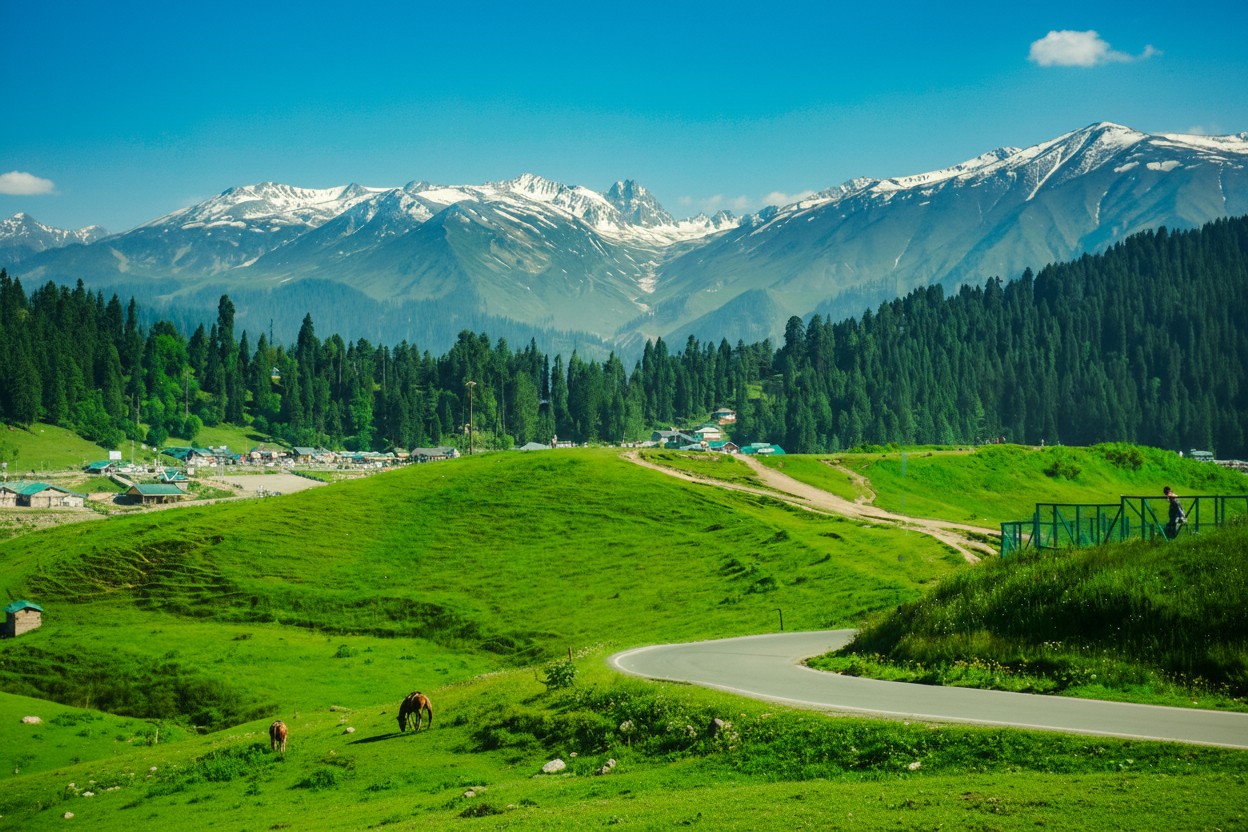
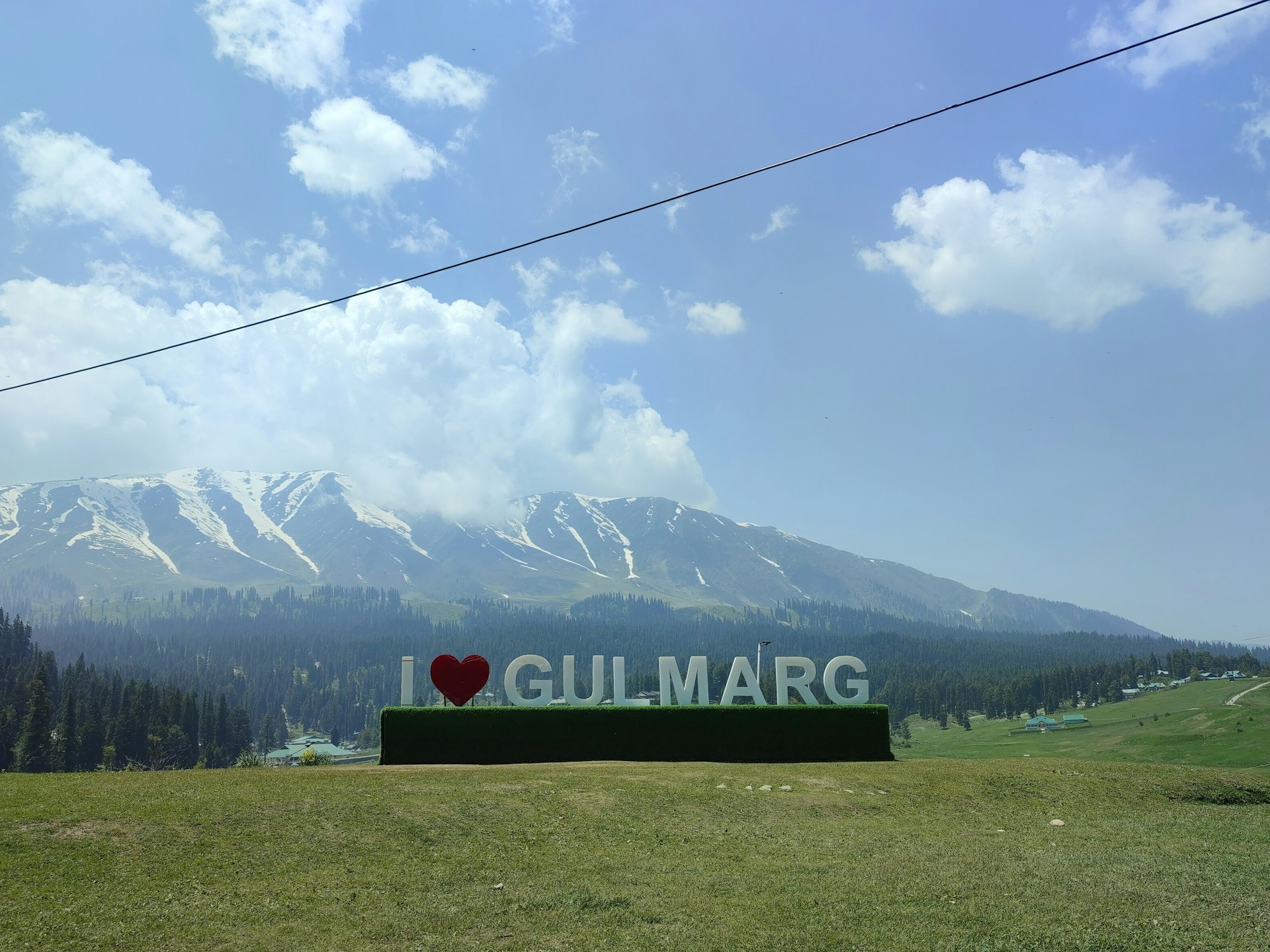
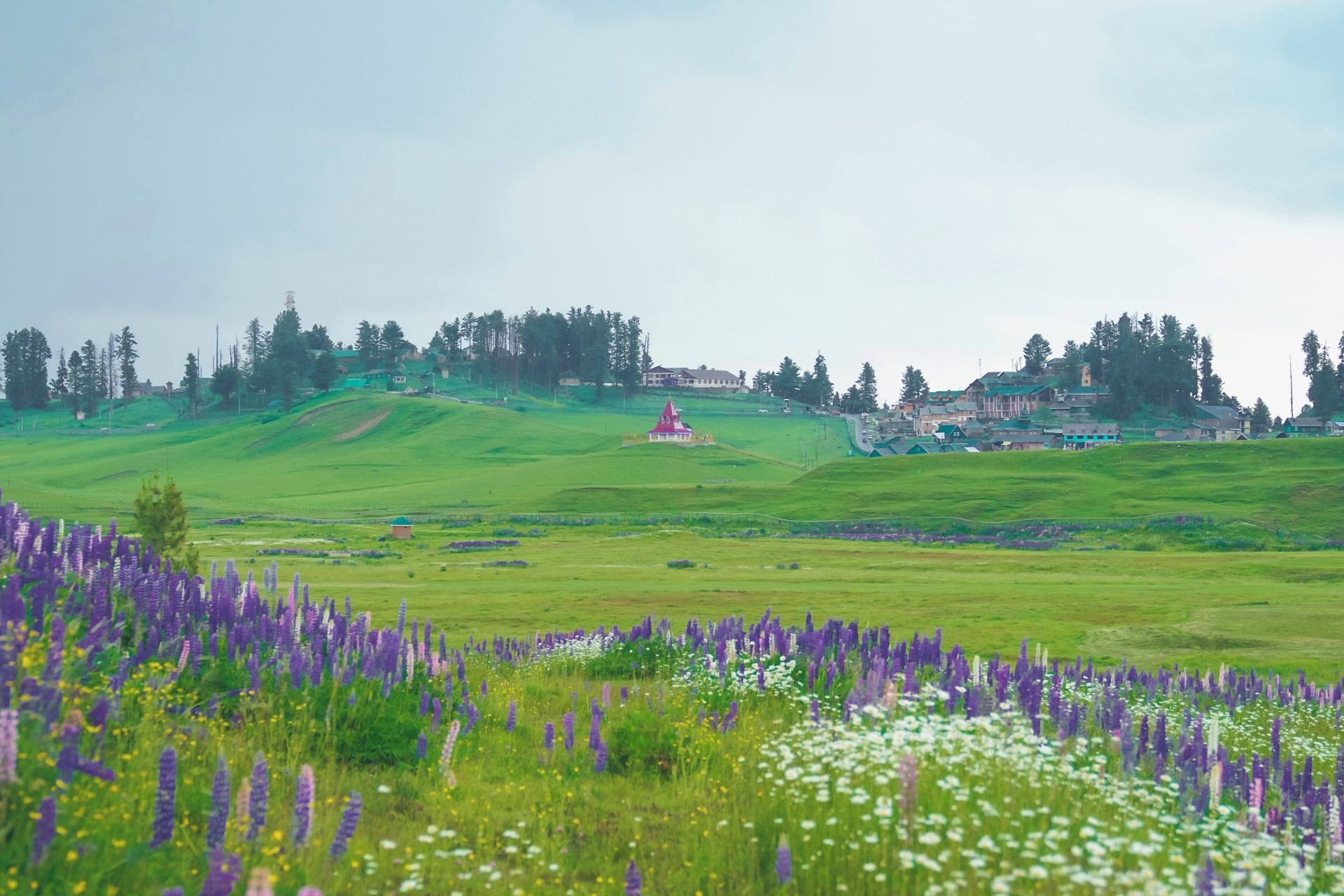
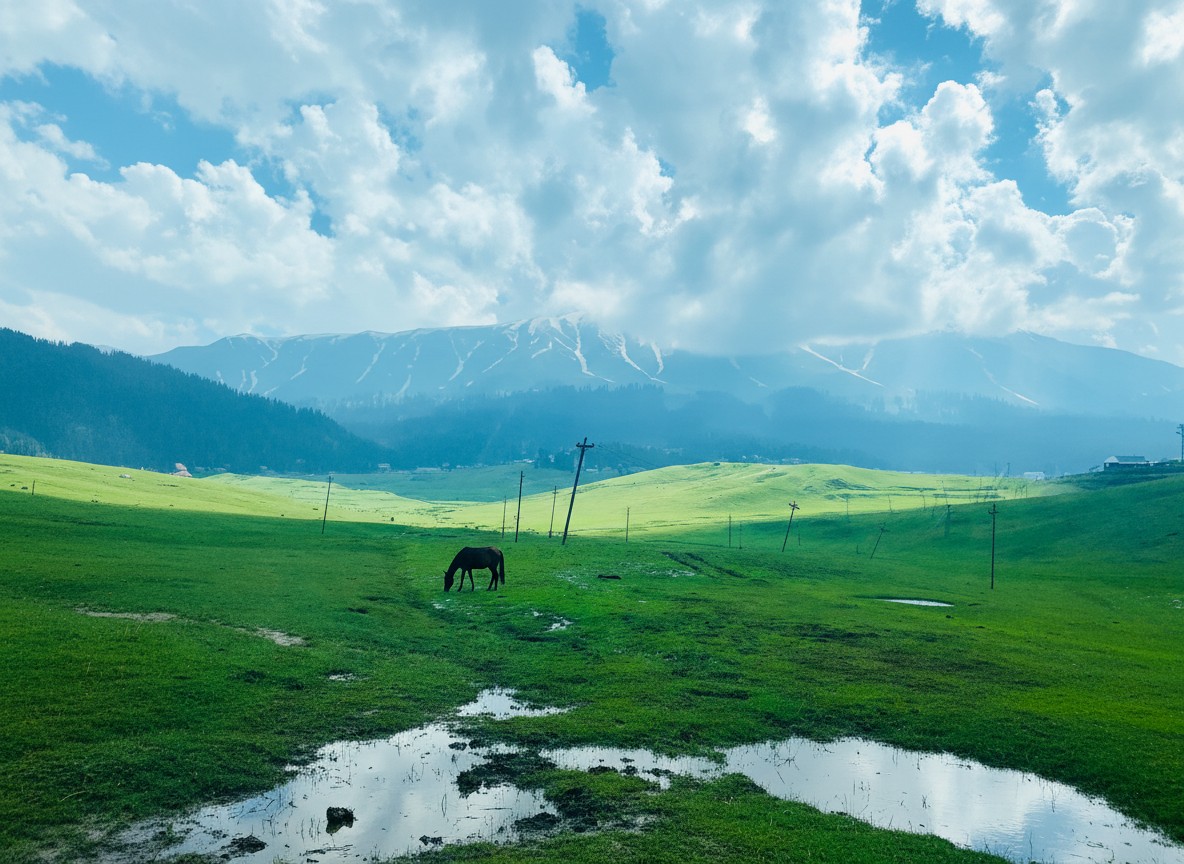
Gulmarg, meaning "Meadow of Flowers," is one of the most beautiful hill stations in India, situated in the Baramulla district of Jammu and Kashmir. Nestled at an altitude of about 2,650 meters above sea level and surrounded by the majestic Pir Panjal range of the Himalayas, Gulmarg attracts thousands of tourists every year with its breathtaking natural beauty and pleasant climate.
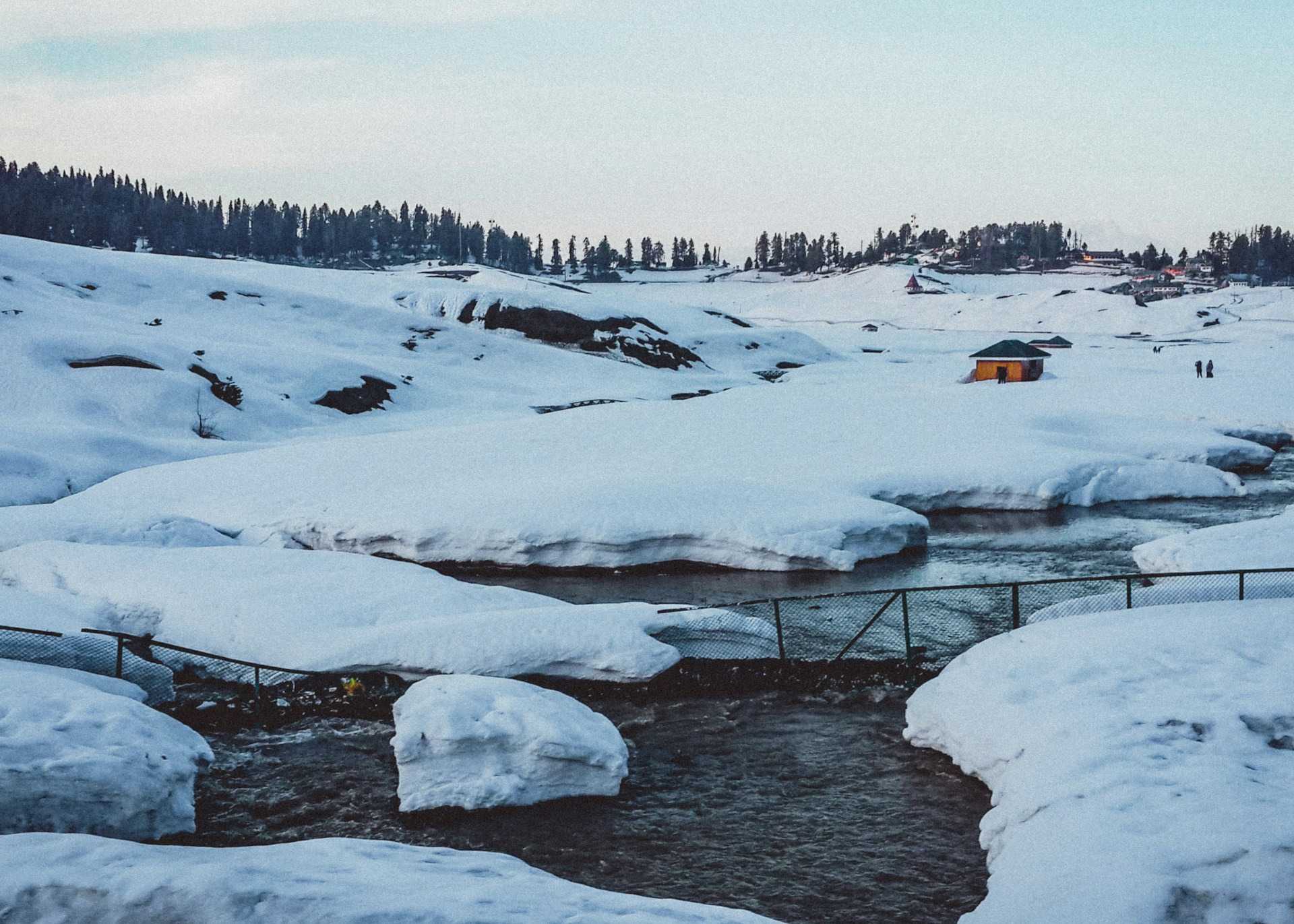
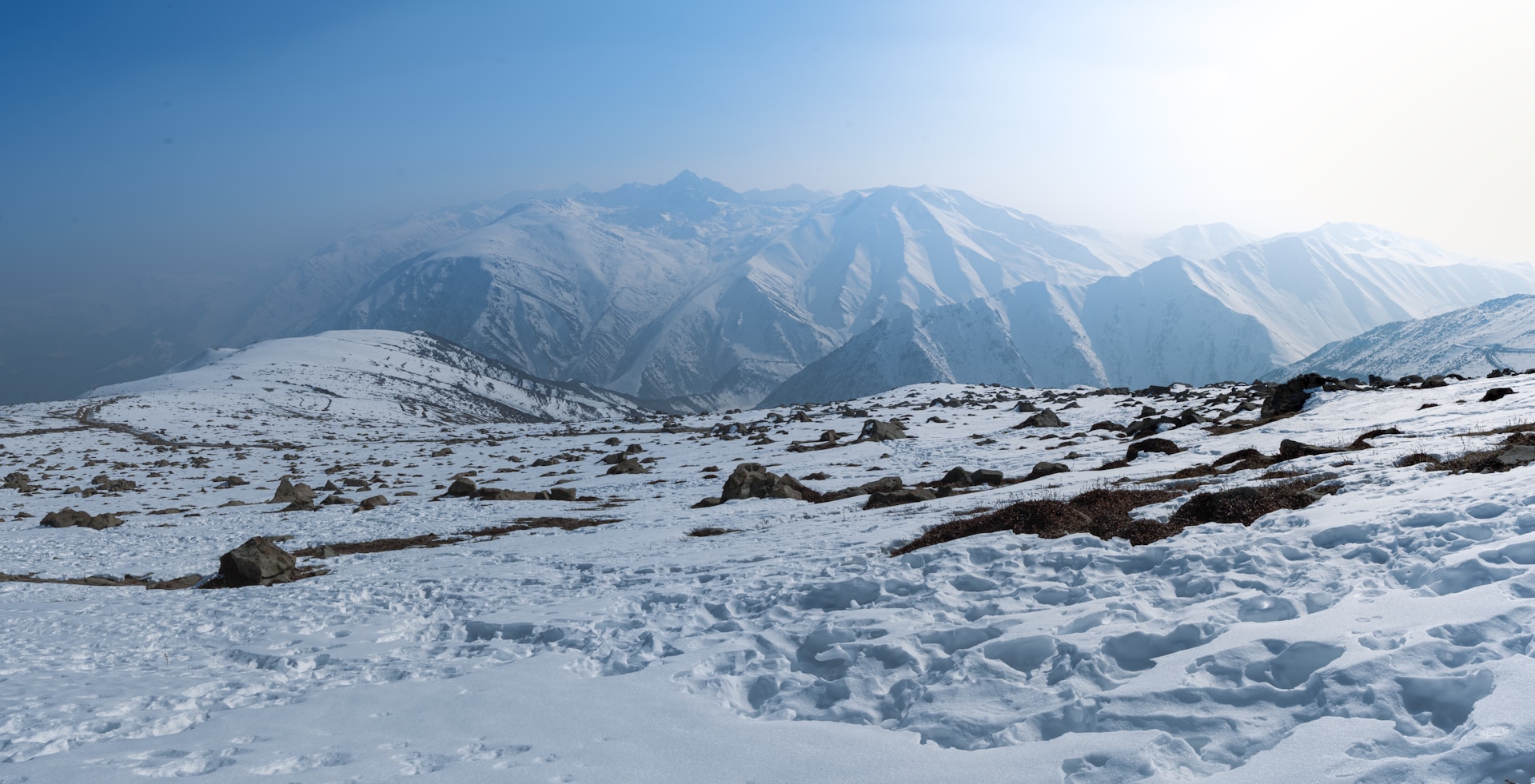
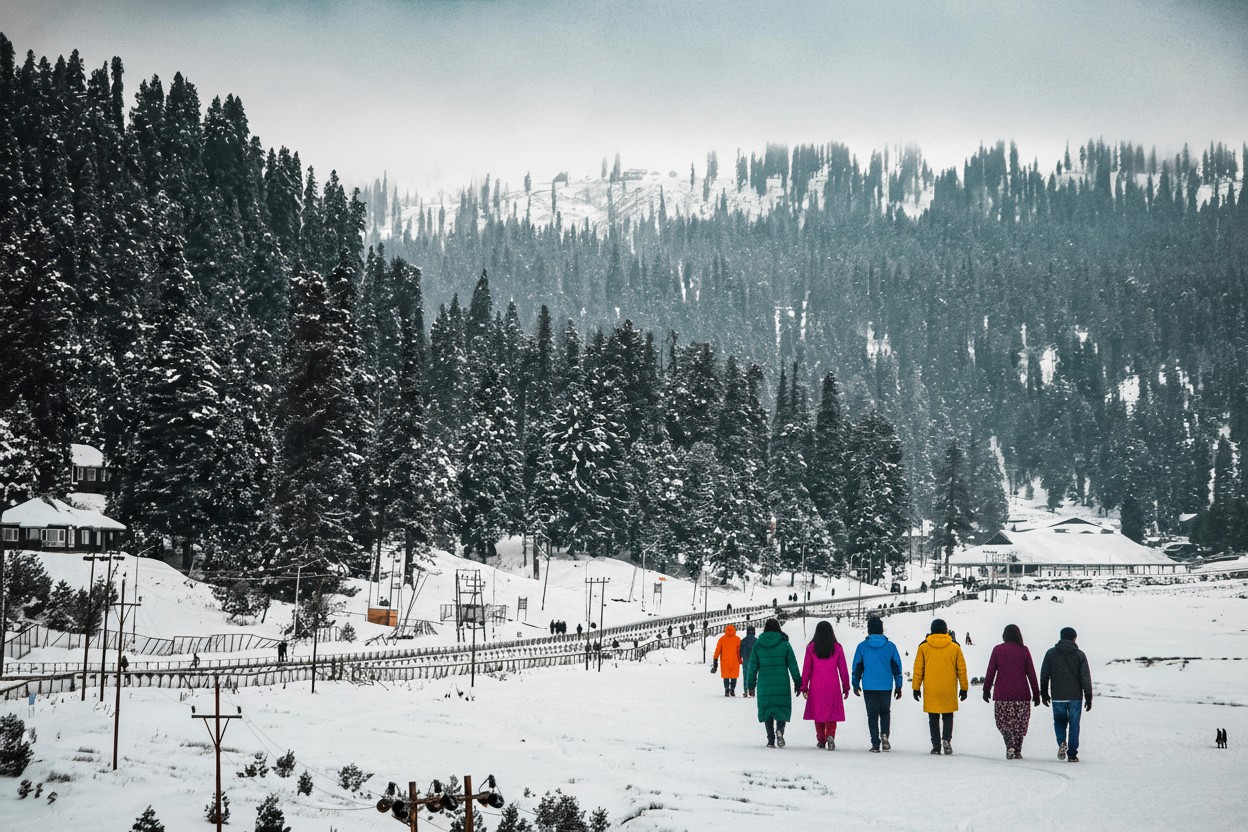
During spring and summer, the lush green meadows of Gulmarg are covered with colorful wildflowers, creating a picturesque landscape that resembles a natural garden. Dense pine forests, crystal-clear mountain air, and panoramic views of snow-capped peaks make it a paradise for nature lovers and photographers. In winter, Gulmarg transforms into a snowy wonderland and becomes India's leading skiing destination, attracting adventure enthusiasts from around the world.
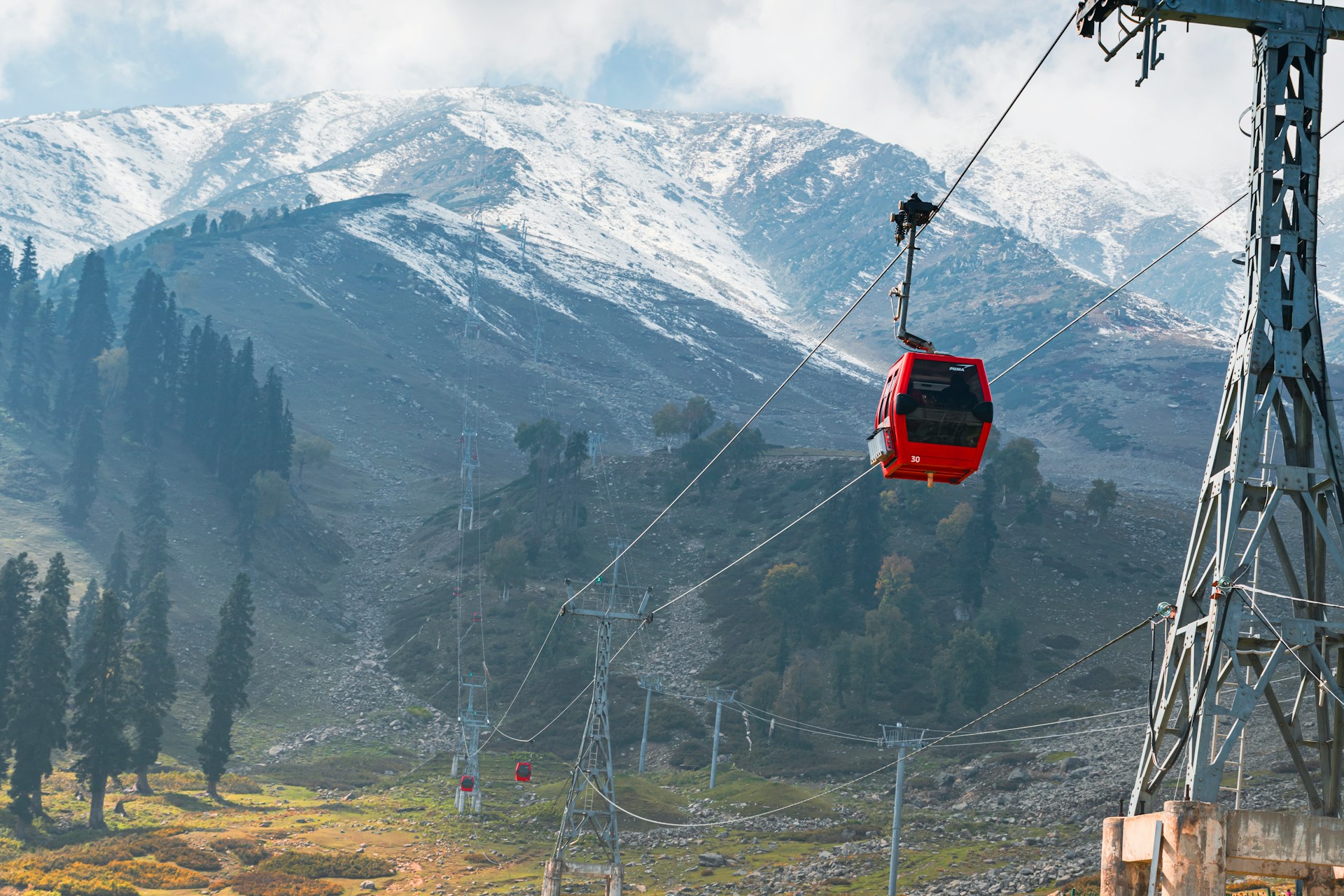
One of the major attractions of Gulmarg is the famous Gulmarg Gondola, a high-altitude cable car that takes visitors to Kongdori and Apharwat Peak, offering spectacular views of the Himalayan mountains. Visitors can enjoy skiing, snowboarding, trekking, mountain biking, pony rides, and golfing. The region also has one of the highest golf courses in the world.
Apart from adventure activities, Gulmarg offers peace and tranquility away from city life. Its scenic beauty, pleasant weather, and rich natural surroundings make it an ideal destination for families, honeymooners, and adventure seekers alike. Whether covered in vibrant flowers during summer or blanketed in snow during winter, Gulmarg remains one of the most enchanting tourist destinations in India and truly lives up to its reputation as "Paradise on Earth."
🎯 Things to do
- Ride the Gulmarg Gondola (Cable Car)
- Skiing & snowboarding (winter season)
- Snow trekking and snowshoeing
- Photography & nature walks
- Visit Gulmarg Golf Course (highest golf course in the world)
- Sledge rides & snow activities
- Trekking to nearby alpine trails .
📍 Near By
- Khilanmarg
- Alpather Lake
- Strawberry Valley
- Tangmarg
- Baba Reshi Shrine
- Ferozepur Nallah .
🛣️ How to Reach
By Air :- The nearest airport is Srinagar International Airport located about 56 km from Gulmarg. Regular flights connect Srinagar with major Indian cities such as Delhi Mumbai Bengaluru and Kolkata. From the airport taxis and cabs are available and the journey to Gulmarg takes approximately 1.5–2 hours.,
By Train :- Gulmarg does not have its own railway station. The nearest major railway station is Jammu Tawi Railway Station about 290 km away. Travelers can continue to Srinagar by road and then proceed to Gulmarg by taxi or bus.,
By Road :- Gulmarg is around 50–57 km from Srinagar and is well connected by taxis private cabs and buses. The scenic route passes through Tangmarg and offers beautiful views of forests and mountains.
⭐ Why Visit
One of India's most famous hill stations.,
Home to the world-renowned Gulmarg Gondola among the highest cable-car systems in the world.,
India's premier skiing and snowboarding destination.,
Stunning alpine meadows pine forests and snow-covered peaks.,
Excellent opportunities for trekking golfing photography and adventure sports.
💡 Travel Tips
Carry warm clothes throughout the year; evenings can be cold even in summer.,
Visit from December to March for snow activities and April to September for flowers and pleasant weather.,
Book hotels and Gondola tickets in advance during peak season.,
Check weather and road conditions during winter snowfall.
🌟 Special Features
Known as the "Meadow of Flowers.",
Famous for the Gulmarg Gondola and Mount Apharwat views.,
Hosts international-level skiing and winter sports.,
Features one of the highest golf courses in the world.,
Offers breathtaking Himalayan landscapes throughout the year.


Konark Sun Temple
Konark • Puri • Odisha
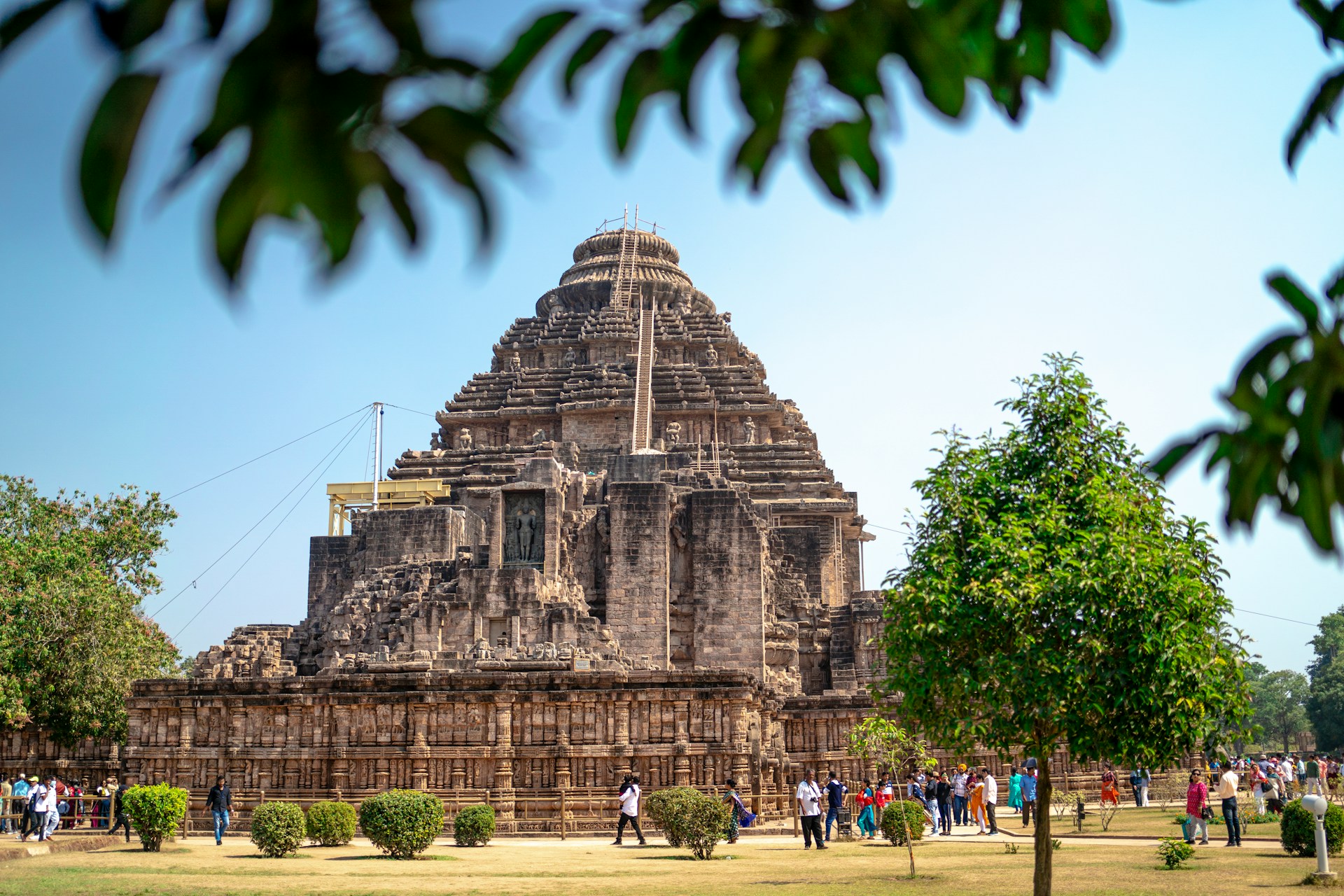
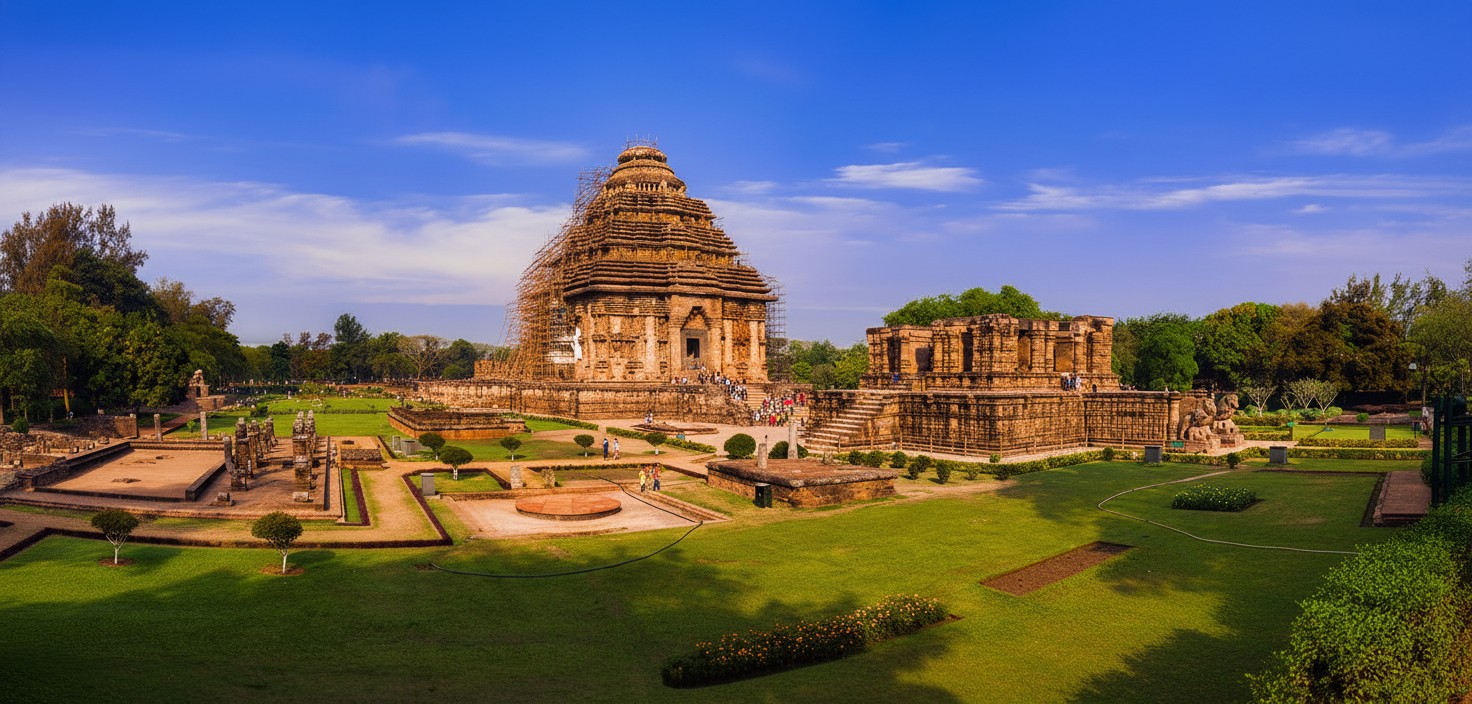
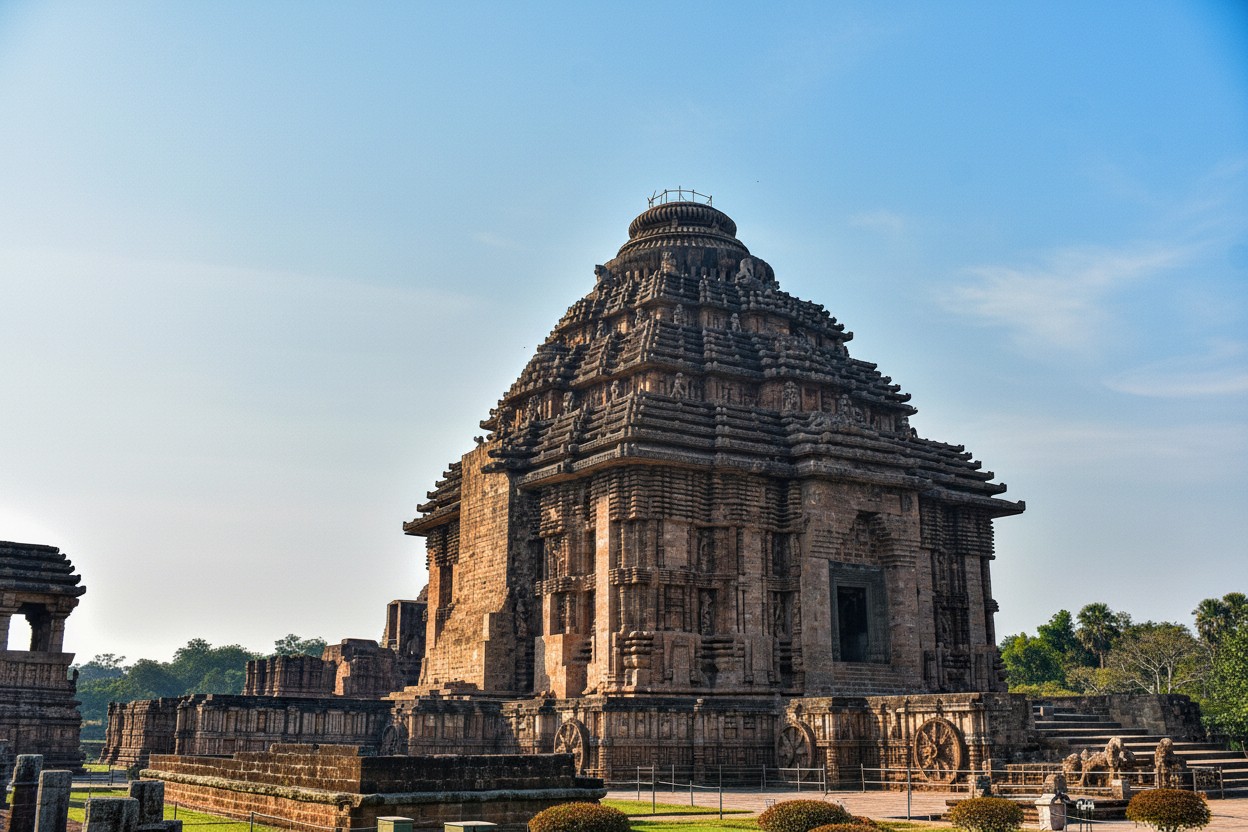
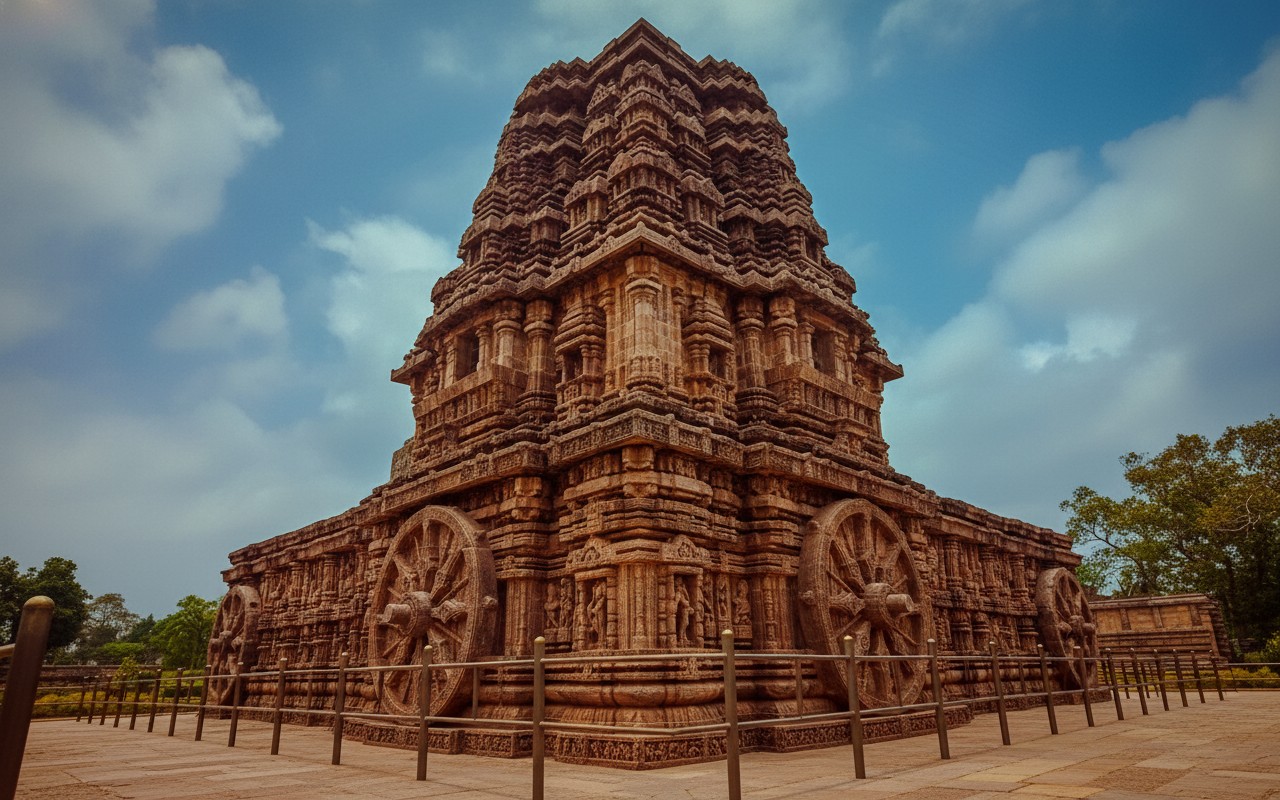
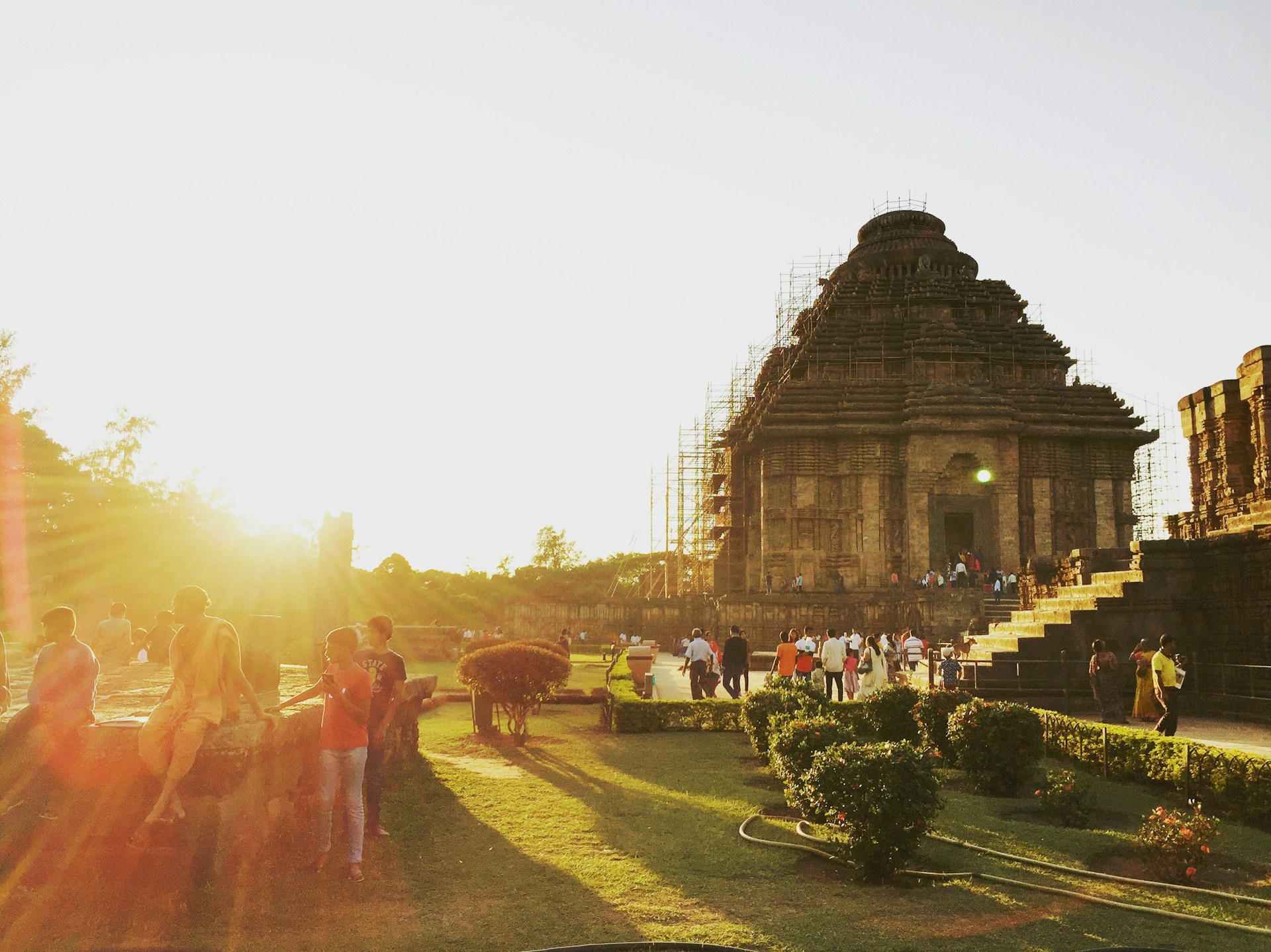
The Konark Sun Temple is one of India's most magnificent historical monuments, located in the town of Konark in the state of Odisha. Built in the 13th century by King Narasimhadeva I, the temple is dedicated to the Sun God, Surya. Designed in the form of a colossal stone chariot with twelve pairs of intricately carved wheels and seven horses, it represents the Sun God's journey across the sky. Recognized as a UNESCO World Heritage Site, the temple is celebrated for its remarkable architecture, artistic excellence, and historical significance. Although parts of the original structure have collapsed over time, the remaining carvings continue to amaze visitors with their precision and beauty. The temple reflects the advanced engineering, artistic skills, and cultural richness of medieval India, making it one of the country's most important heritage attractions.
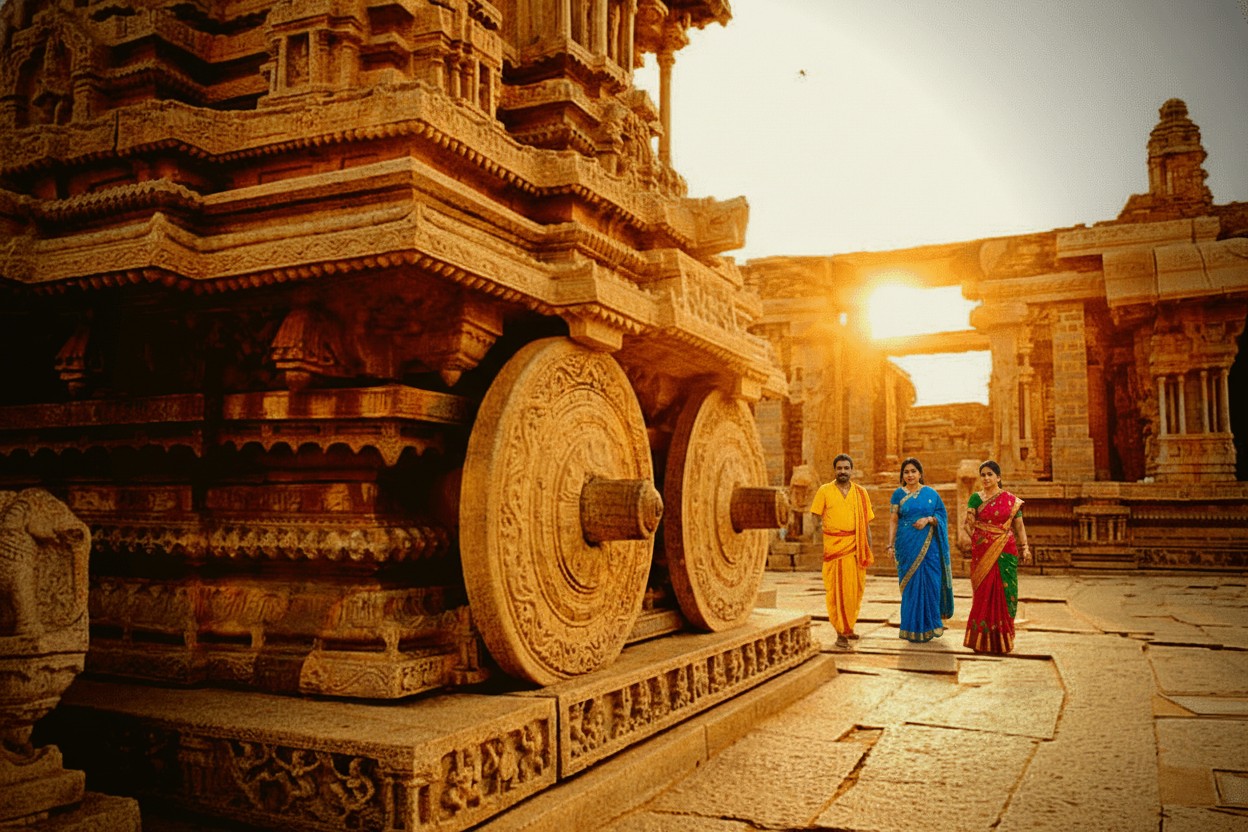
The Konark Sun Temple is one of India's most iconic architectural masterpieces and a symbol of the country's rich cultural heritage. Located on the eastern coast of Odisha, this magnificent temple was built in the 13th century by King Narasimhadeva I of the Eastern Ganga Dynasty. Dedicated to Surya, the Sun God, the temple was designed in the shape of a gigantic stone chariot drawn by seven horses and supported by twenty-four elaborately carved wheels.
The temple is renowned for its stunning stone carvings, which depict scenes from mythology, music, dance, everyday life, animals, and celestial beings. These intricate sculptures demonstrate the exceptional artistic talent and craftsmanship of the period. The wheels of the chariot are particularly remarkable, as they are believed to function as sundials capable of indicating time through the position of their shadows.
Konark Sun Temple represents the pinnacle of Kalinga architecture and reflects the scientific and engineering knowledge of ancient India. The structure was strategically aligned so that the first rays of the rising sun illuminated the sanctum. Although parts of the temple have been damaged over the centuries due to natural forces and invasions, its grandeur remains intact and continues to attract visitors from around the world.
Recognized as a UNESCO World Heritage Site, the temple serves as an important center for history, architecture, and culture. Visitors are captivated by its imposing size, artistic beauty, and historical significance. The annual Konark Dance Festival further enhances its appeal by bringing together classical dancers from across India. A visit to Konark Sun Temple offers a unique opportunity to experience the brilliance of ancient Indian architecture and the enduring legacy of one of the nation's greatest monuments.
🎯 Things to do
- Explore detailed stone carvings and sculptures
- Learn about ancient Indian astronomy
- Photography of temple architecture
- Visit the Konark Sun Temple Museum
- Attend the Konark Dance Festival (December).
📍 Near By
- Chandrabhaga Beach (3 km)
- Ramachandi Temple & Beach
- Puri Jagannath Temple
- Chilika Lake
- Konark Museum (ASI) .
🛣️ How to Reach
By Air :-Nearest Airport: Biju Patnaik International Airport
Distance: Approximately 65 km from Konark.
Taxis and buses are available from the airport.,
By Train :- Nearest Railway Station: Puri Railway Station (about 35 km).
Bhubaneswar Railway Station is about 65 km away.
Regular taxis and buses connect both stations to Konark.,
By Bus :- Frequent state-run and private buses operate from:
Puri
Bhubaneswar
Cuttack
Road connectivity is excellent via NH-316.
⭐ Why Visit
UNESCO World Heritage Site.,
Extraordinary stone carvings and sculptures.,
Unique chariot-shaped architecture.,
Rich historical and cultural significance.,
Famous sunrise views and photography opportunities.,
Annual Konark Dance Festival showcasing Indian classical dance.
💡 Travel Tips
Visit between October and March for pleasant weather.,
Early morning or late afternoon offers the best lighting for photography.,
Wear comfortable walking shoes.,
Carry water sunscreen and a hat during summer.,
Hire a local guide to understand the temple's history and symbolism.,
Combine your trip with nearby Chandrabhaga Beach and Puri.
🌟 Special Features
Temple designed as the Sun God's celestial chariot.,
24 giant stone wheels many functioning as ancient sundials.,
Detailed carvings depicting daily life music dance and mythology.,
Exceptional example of Kalinga architecture.,
Alignment with the rising sun demonstrates advanced engineering knowledge.,
Symbolizes the artistic and scientific achievements of ancient India.
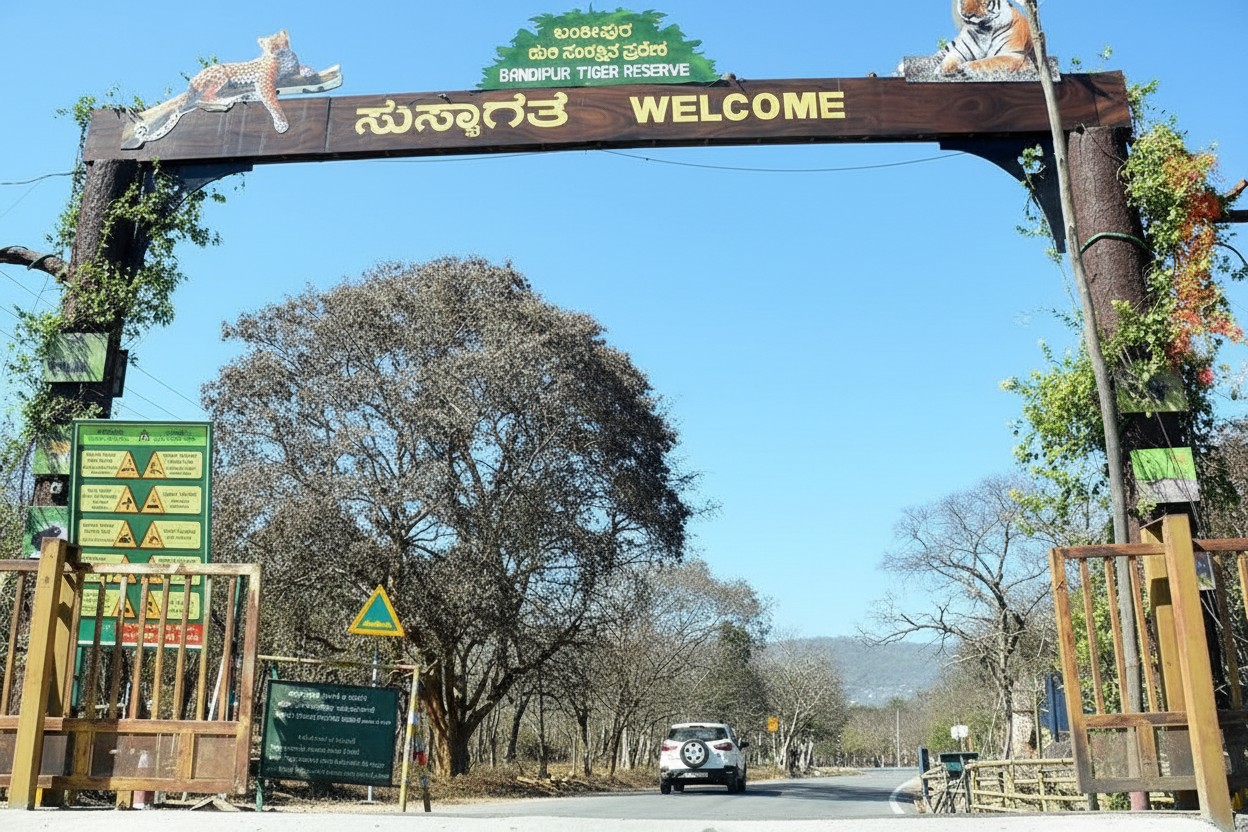
Bandipur National Park
Gundlupete • Chamarajanagar • Karnataka
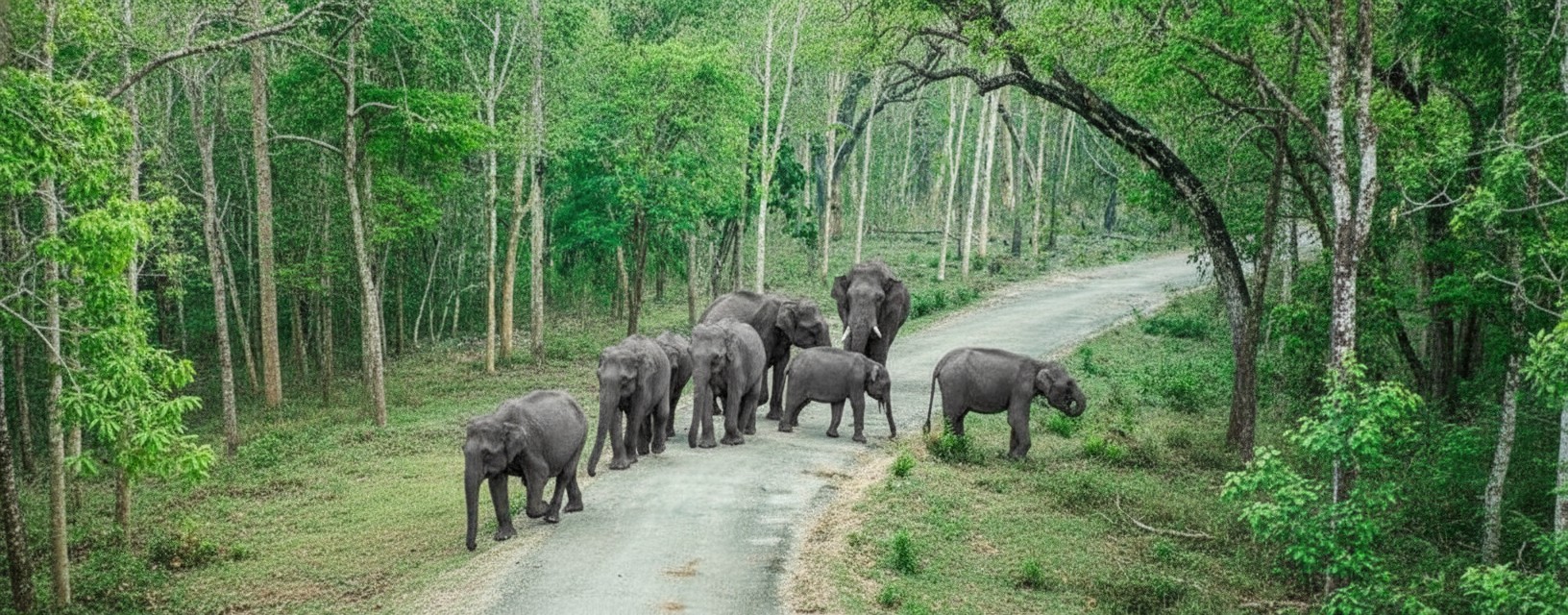
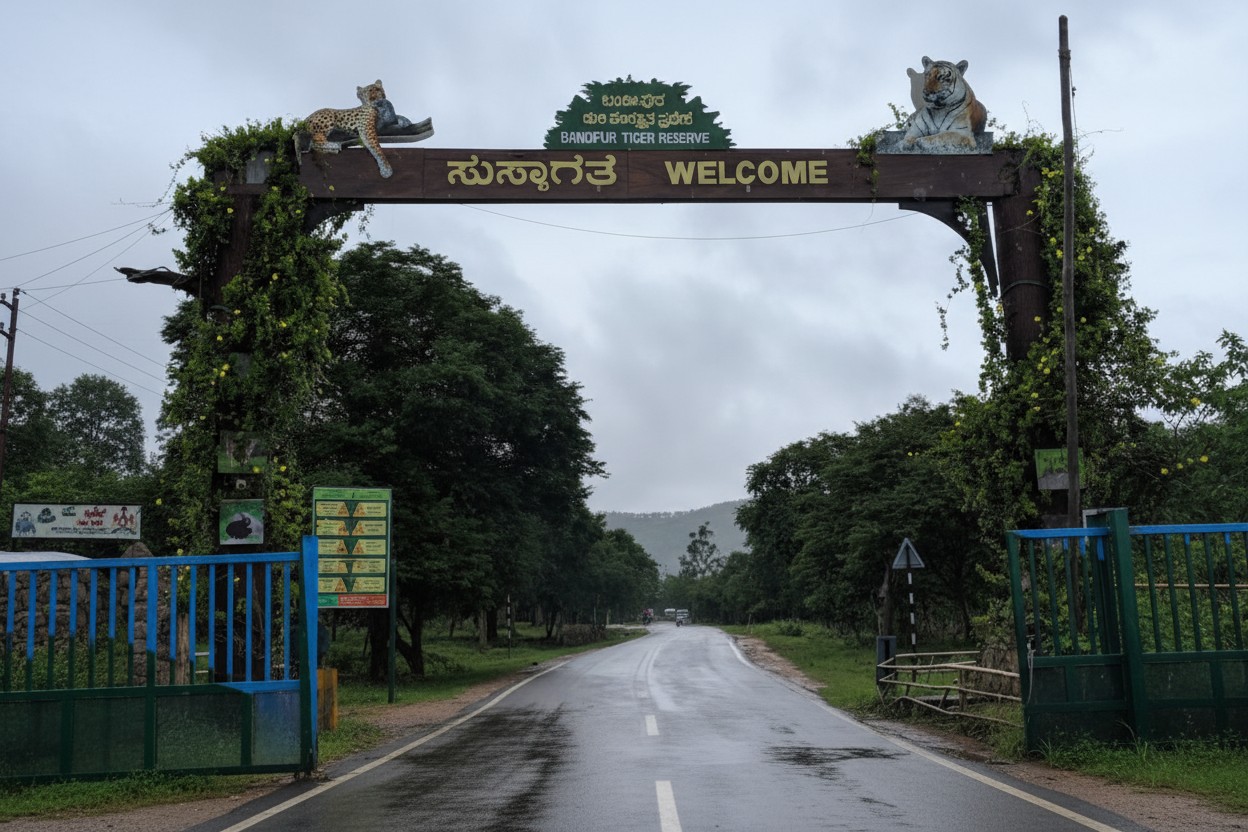
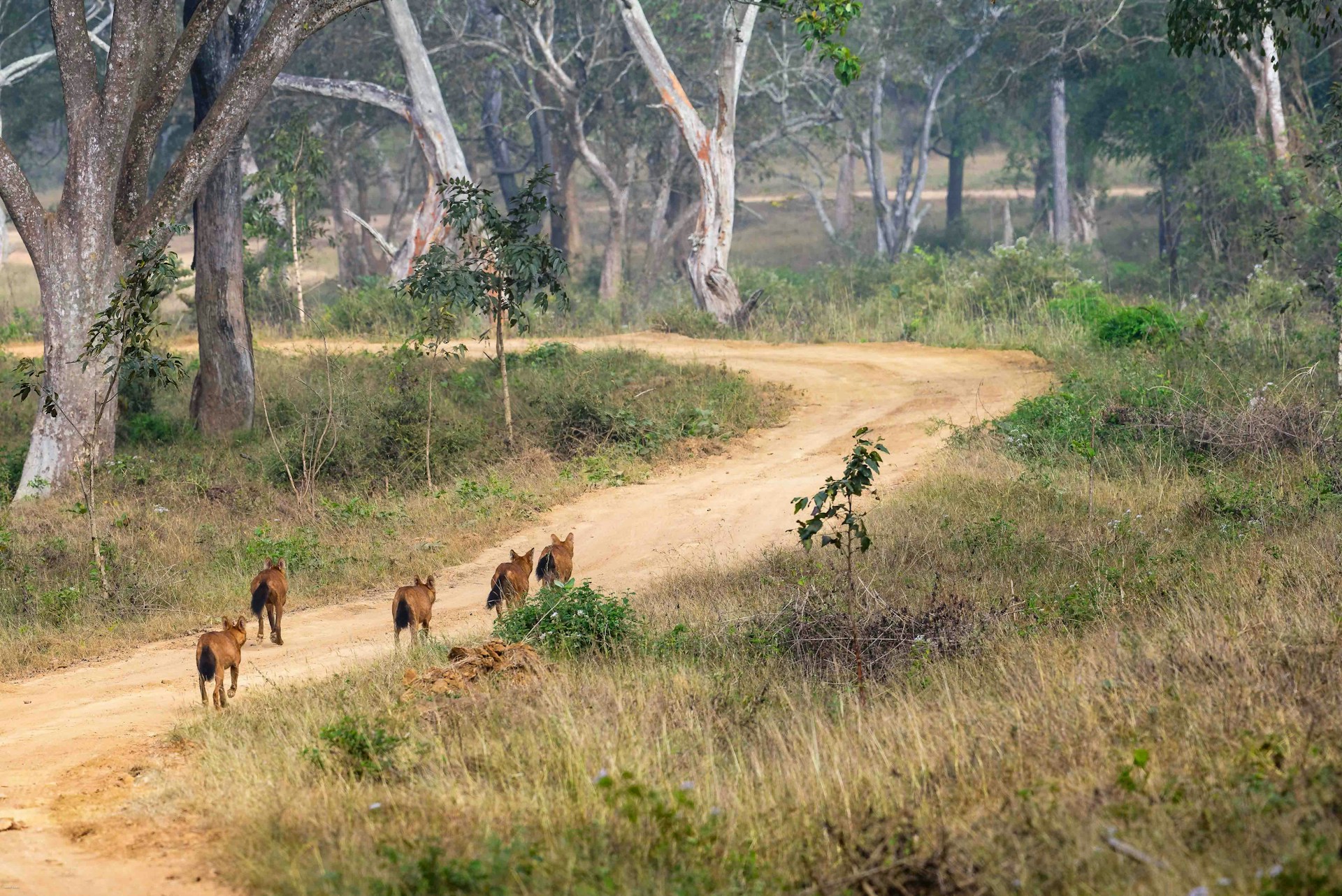
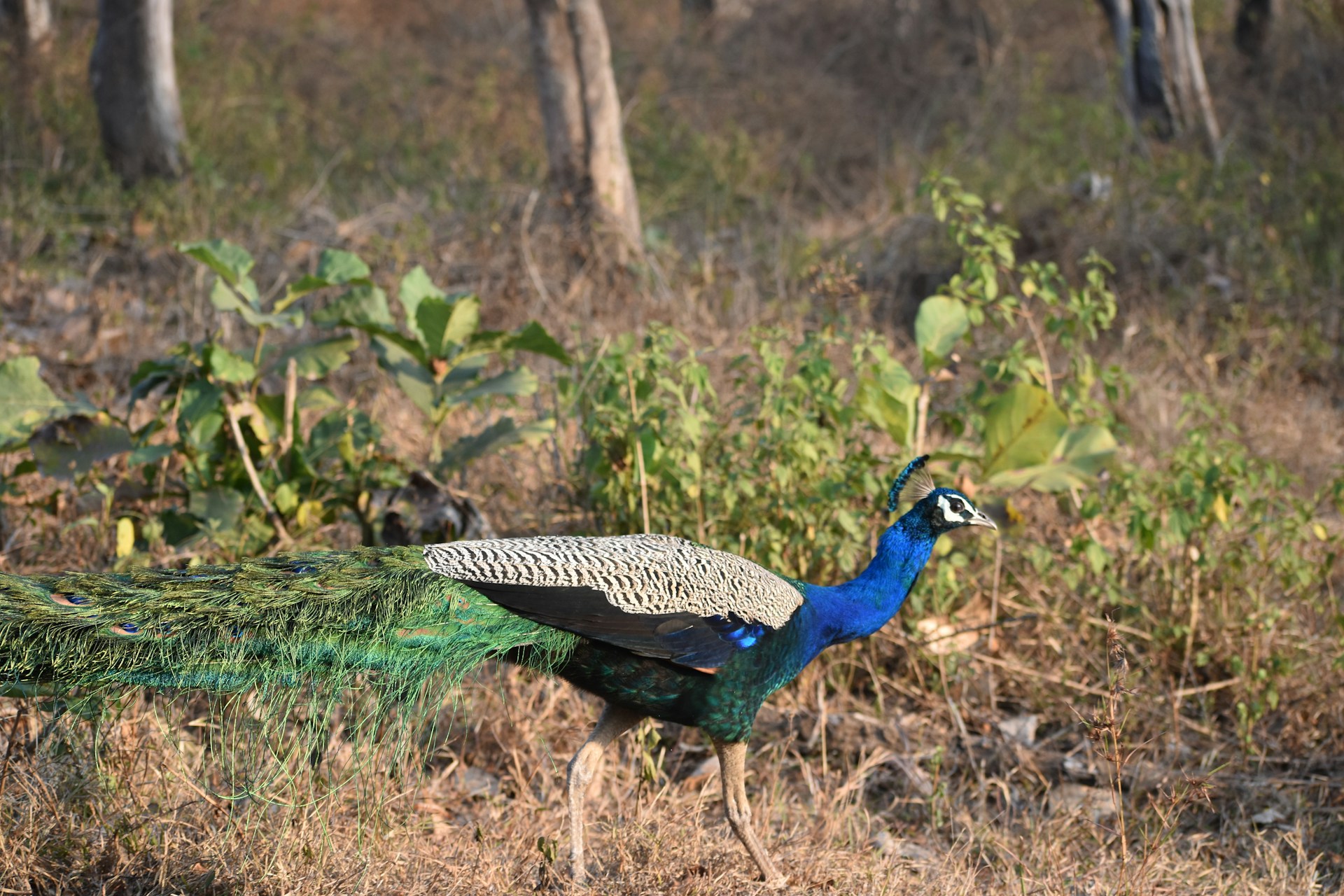
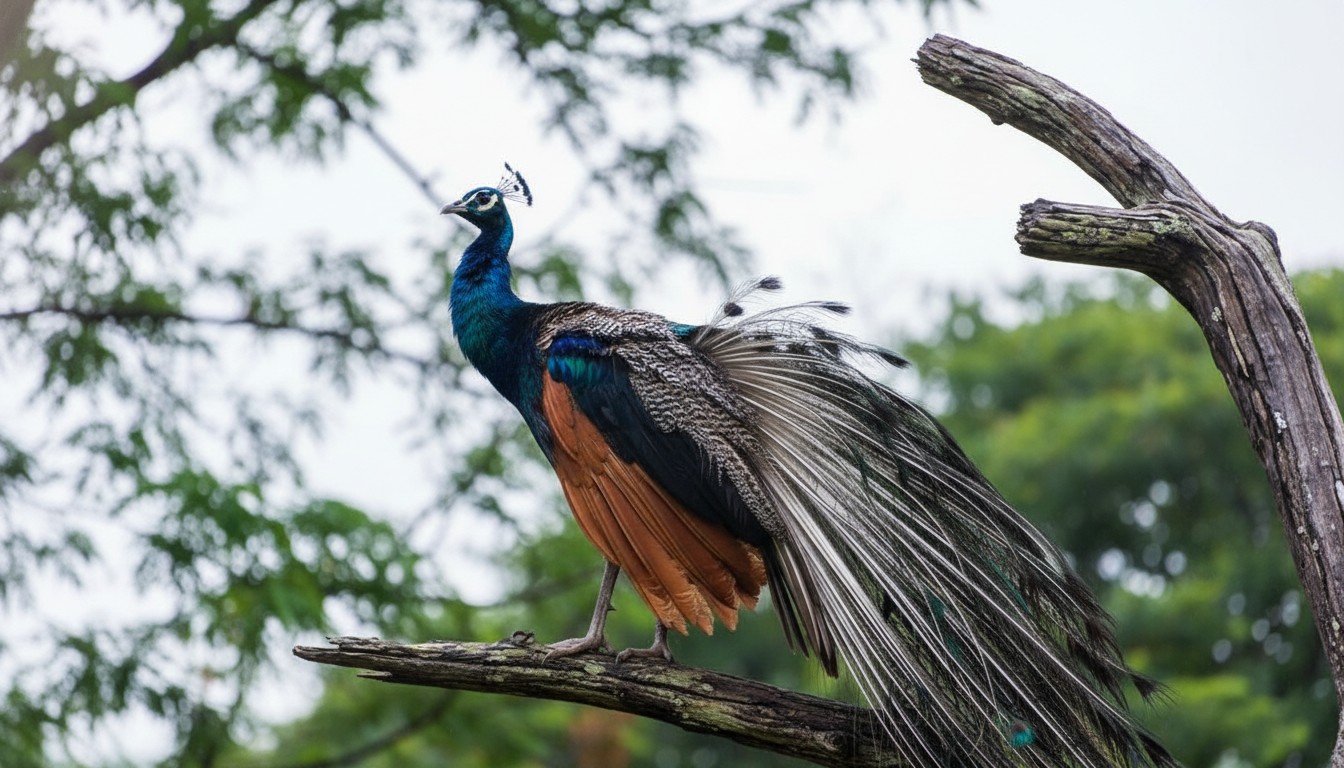
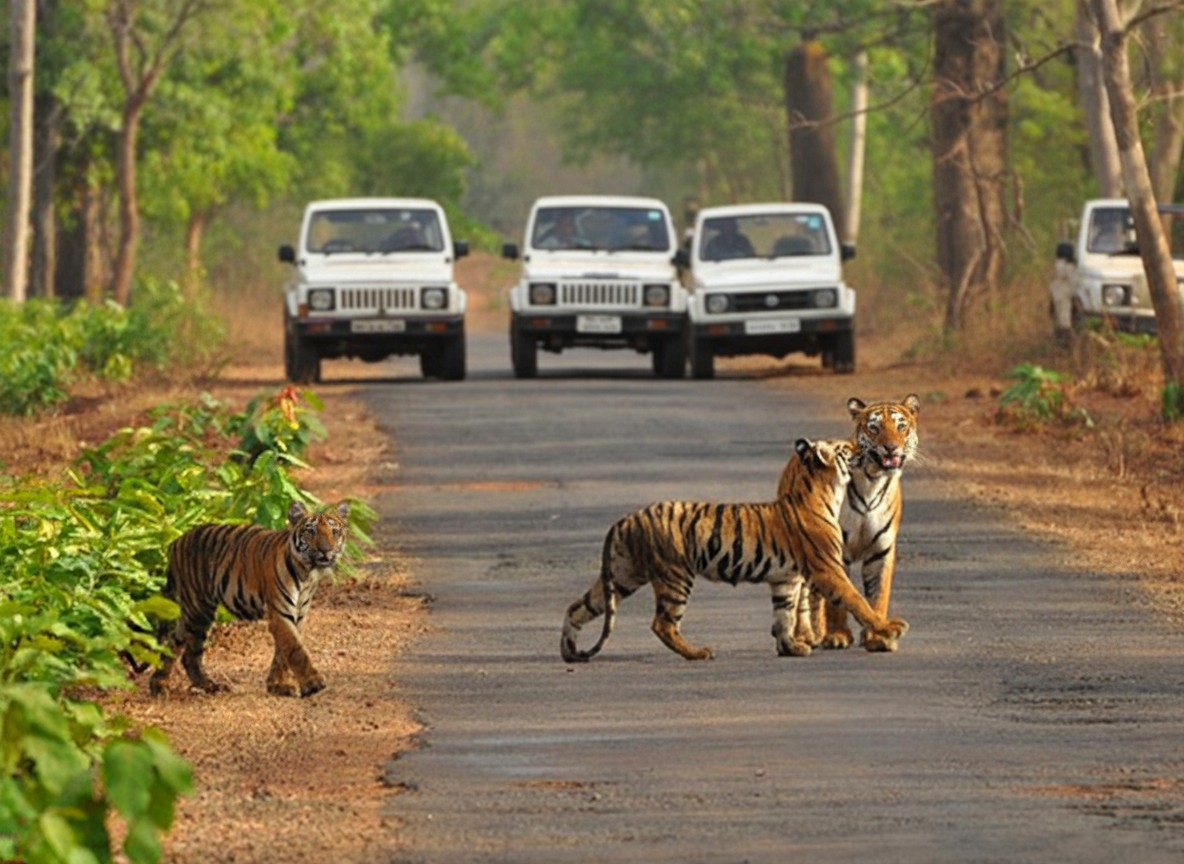
Bandipur National Park is one of India's most famous wildlife reserves, located in the southern state of Karnataka. Established as a national park in 1974 under Project Tiger, it forms an important part of the Nilgiri Biosphere Reserve along with Nagarhole, Mudumalai, and Wayanad wildlife sanctuaries. The park is renowned for its rich biodiversity, dense forests, grasslands, and diverse wildlife, including tigers, elephants, leopards, deer, wild dogs, and over 200 species of birds.
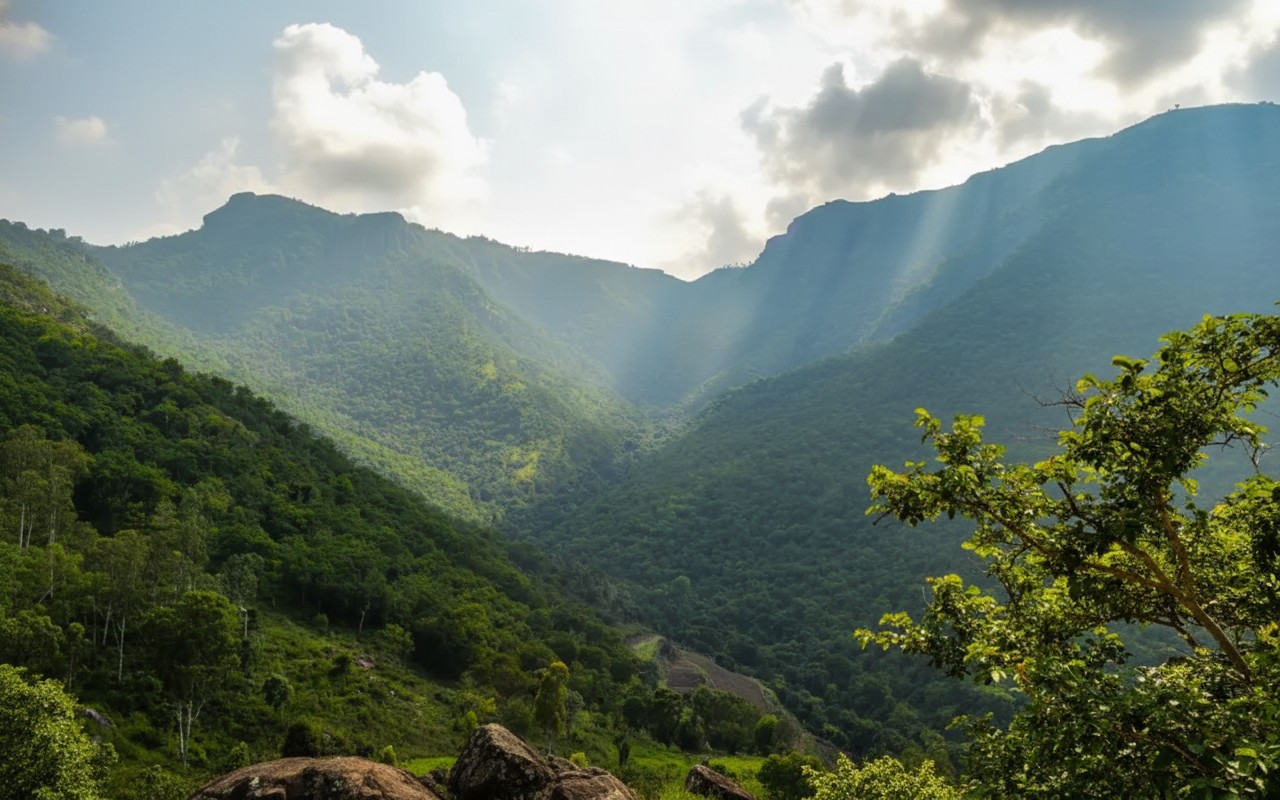
Bandipur National Park, located in the Chamarajanagar district of Karnataka, is one of India's most celebrated wildlife destinations. Spread across lush forests and rolling grasslands, the park forms an integral part of the Nilgiri Biosphere Reserve, one of the largest protected ecosystems in South India. Originally established as a hunting reserve for the Maharajas of Mysore, Bandipur was declared a national park in 1974 and later became a key component of Project Tiger.
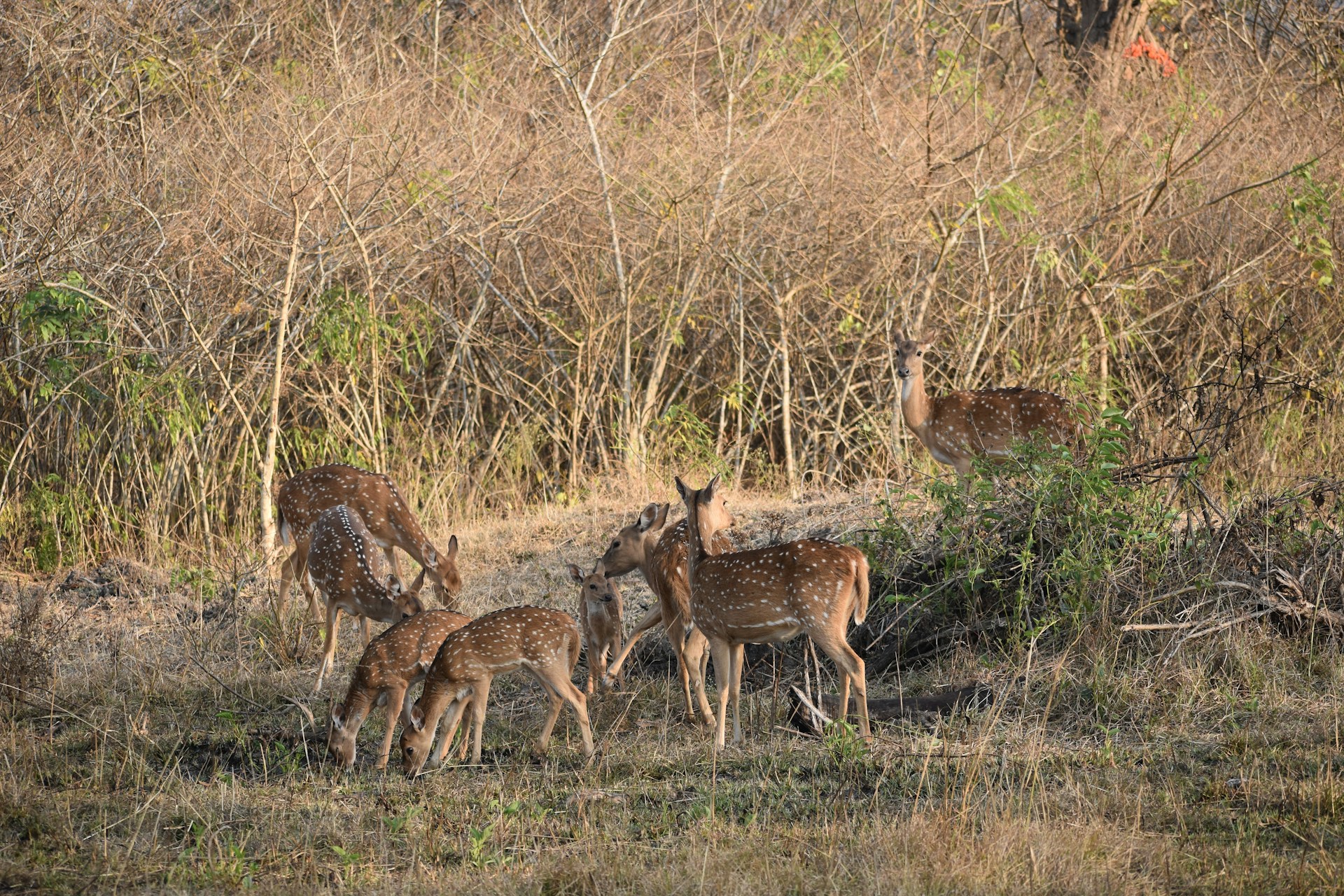
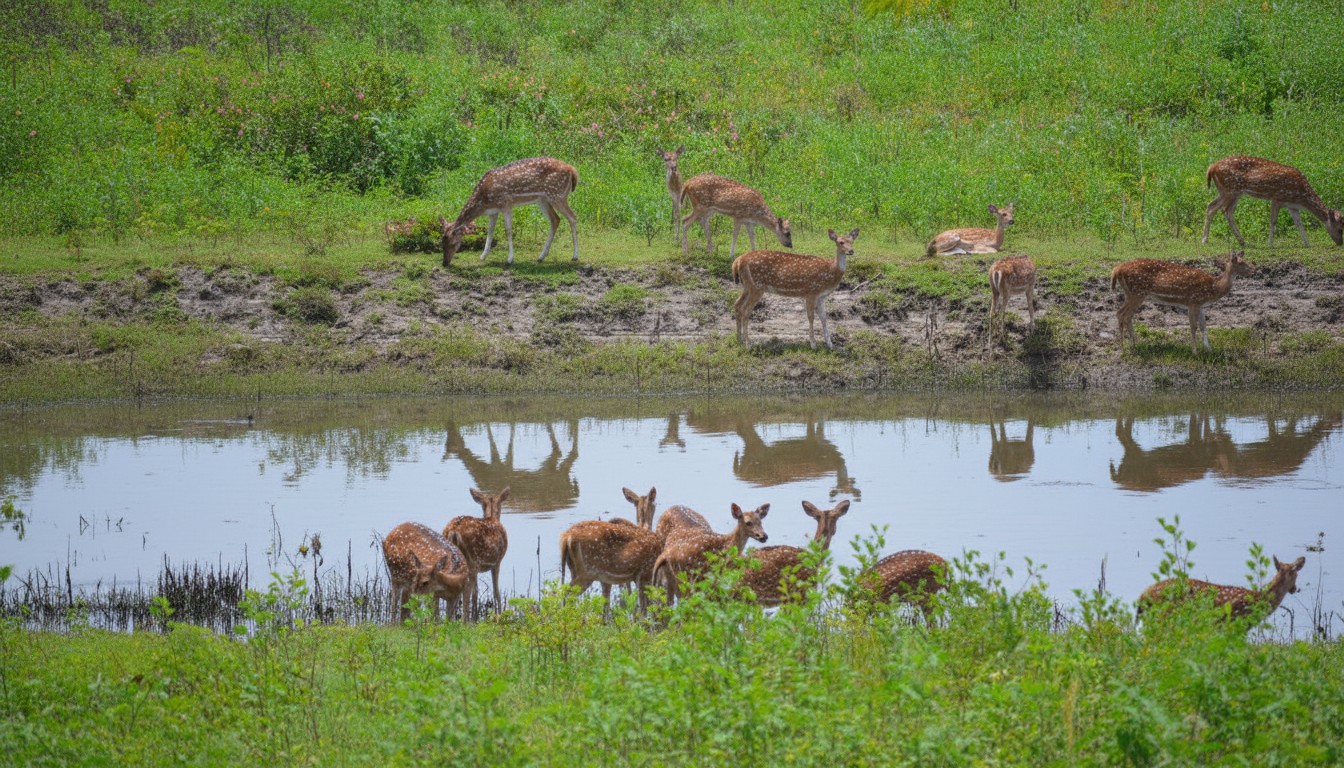
The park is famous for its remarkable biodiversity and offers visitors a unique opportunity to experience wildlife in its natural habitat. Dense teak forests, bamboo groves, and open grasslands provide shelter to a wide variety of animals. Visitors may encounter majestic Asian elephants, elusive Bengal tigers, leopards, sloth bears, gaurs, spotted deer, sambar deer, and wild dogs. Bird enthusiasts can also enjoy sightings of numerous resident and migratory bird species.
Bandipur's strategic location links it with Nagarhole National Park in Karnataka, Mudumalai National Park in Tamil Nadu, and Wayanad Wildlife Sanctuary in Kerala, creating a vast wildlife corridor that supports healthy populations of many species. The park's scenic beauty, combined with its ecological significance, makes it a paradise for nature lovers, wildlife photographers, and adventure seekers.
Safari tours are the main attraction, offering thrilling opportunities to observe animals in their natural surroundings. The best time to visit is from October to May when the weather is pleasant and wildlife sightings are more frequent. With its rich natural heritage, conservation importance, and unforgettable safari experiences, Bandipur National Park remains one of the finest wildlife destinations in India, attracting thousands of visitors every year who seek to explore the beauty and diversity of the country's natural wilderness.
🎯 Things to do
- Jeep Safari
- Bus Safari
- Wildlife Photography
- Bird Watching
- Nature Walks
- Forest Exploration .
📍 Near By
- Mudumalai National Park
- Wayanad Wildlife Sanctuary
- Ooty
- Gopalaswamy Betta
- Himavad Gopalaswamy Temple .
🛣️ How to Reach
By Air :- Nearest Airport: Mysuru Airport (about 80 km)
Major Airport: Kempegowda International Airport (about 220–250 km)
Taxis and buses are available from both airports to Bandipur.,
By Train :- Nearest major railway station: Mysore Junction (about 80 km)
Well connected to Bengaluru Chennai Hyderabad and other major cities.
From Mysuru visitors can hire a taxi or take a bus to the park.,
By Bus :- Regular KSRTC and private buses operate from Bengaluru Mysuru Ooty and nearby towns.
The park lies on NH-766 making road travel convenient.,
By Road :- Mysuru to Bandipur: ~80 km
Bengaluru to Bandipur: ~220 km
Ooty to Bandipur: ~40 km
⭐ Why Visit
Excellent wildlife safaris.,
One of the best places in South India to spot elephants and tigers.,
Rich birdlife and nature photography opportunities.,
Scenic forest landscapes and tranquil environment.,
Part of the Nilgiri Biosphere Reserve a UNESCO-recognized ecological region.
💡 Travel Tips
Book safari tickets in advance during peak season.,
Visit early morning or late afternoon for better wildlife sightings.,
Wear earth-toned clothing.,
Carry binoculars and a camera.,
Avoid loud noises and littering.,
Best time to visit: October to May.,
Follow all forest department guidelines during safaris.
🌟 Special Features
Important Tiger Reserve under Project Tiger.,
Large population of Asian elephants.,
Connected wildlife corridor with Nagarhole Mudumalai and Wayanad.,
Diverse habitats including deciduous forests scrublands and grasslands.,
Home to rare species such as the Indian giant squirrel dhole (wild dog) and numerous bird species.