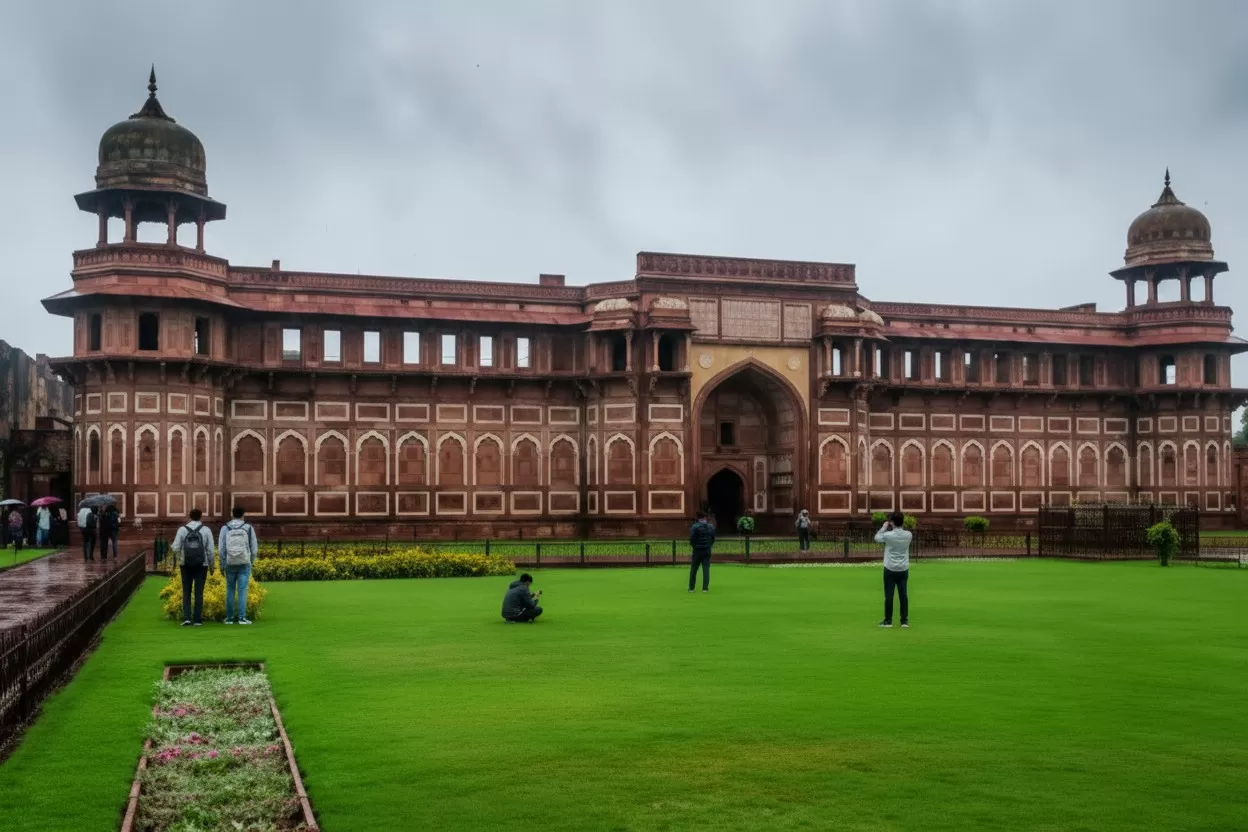
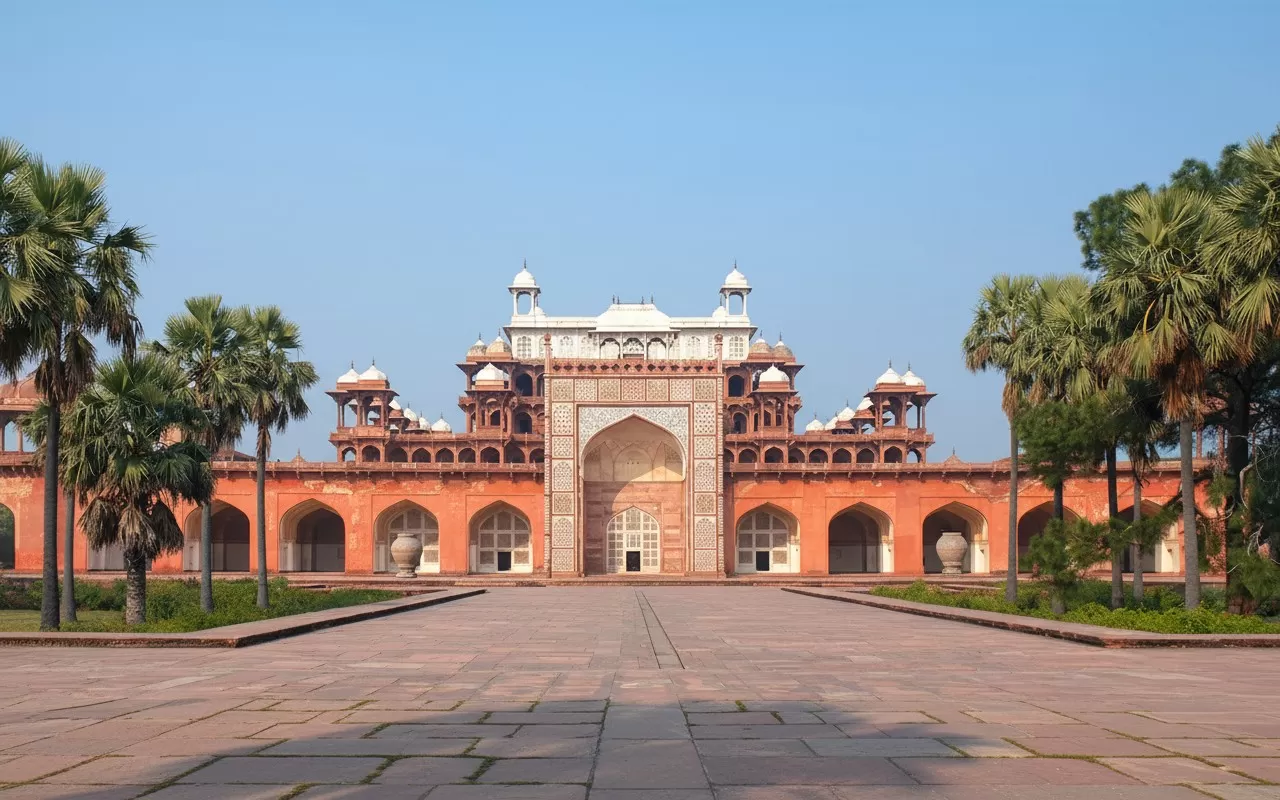
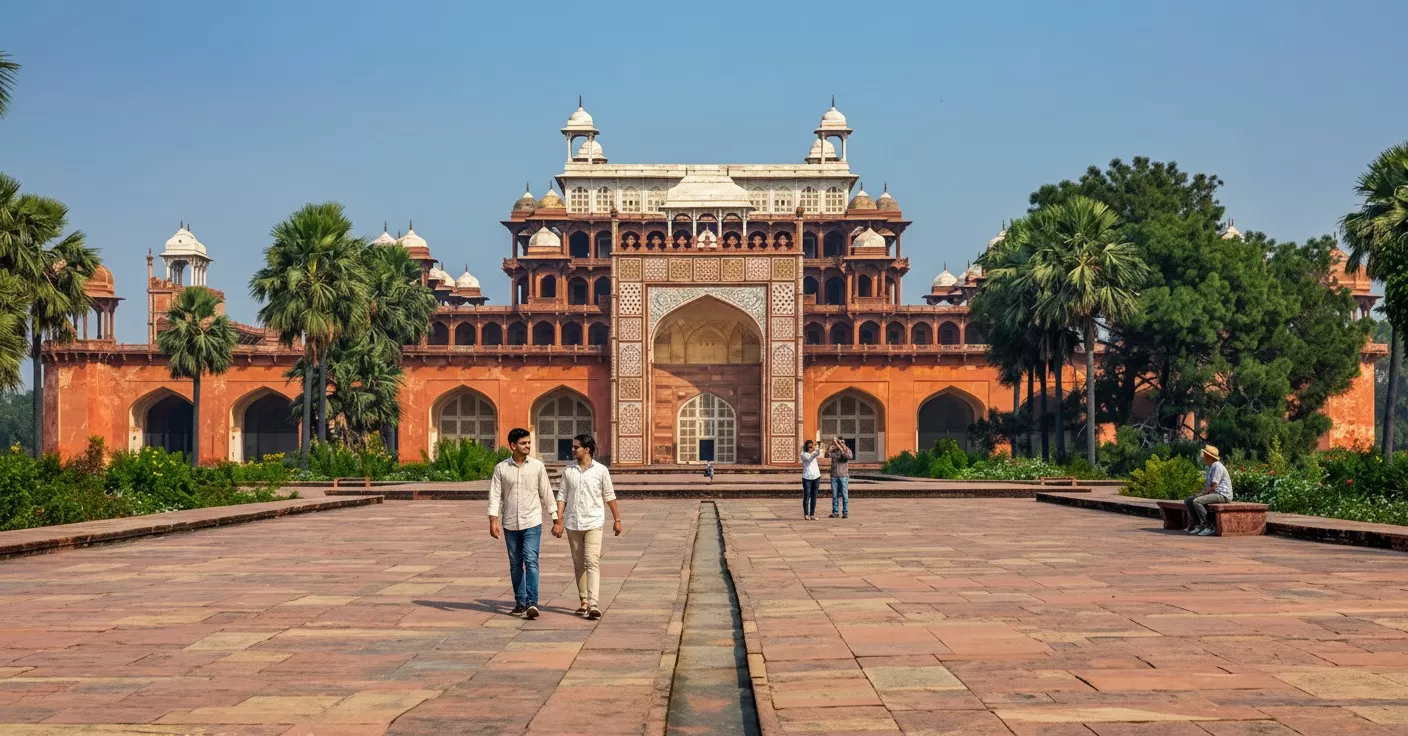
Akbar's Tomb is one of the finest examples of Mughal architecture in India. Located in Sikandra, about 10 km from Agra city, it is the final resting place of the great Mughal Emperor Akbar. Built between 1605 and 1613 by his son Emperor Jahangir, the monument beautifully combines Islamic, Hindu, Buddhist, and Jain architectural styles. Surrounded by lush gardens and peaceful pathways, the tomb reflects Akbar's vision of religious harmony and cultural integration.
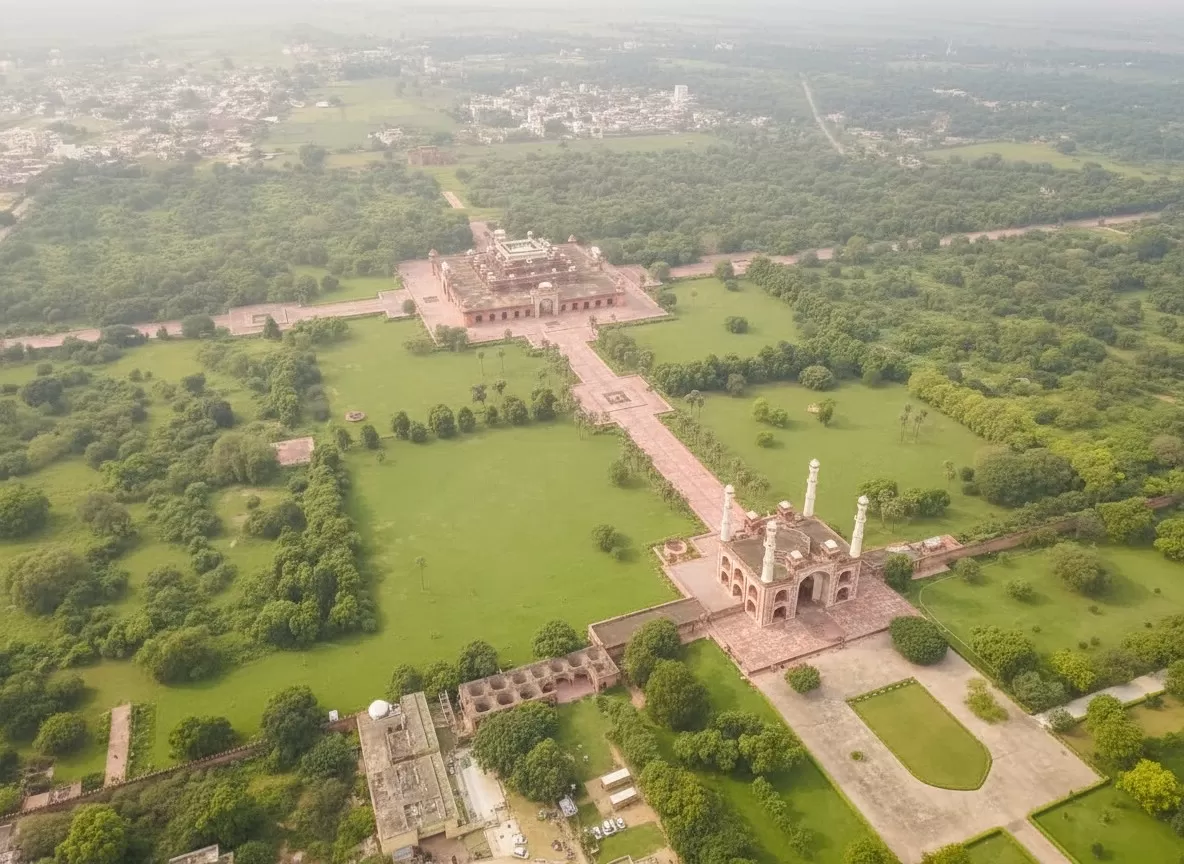
Akbar's Tomb is one of the most important Mughal monuments in India and stands as a symbol of Emperor Akbar's progressive vision and legacy. Located in Sikandra on the outskirts of Agra, the monument was commissioned by Akbar himself during his lifetime and completed by his son Jahangir in 1613. The tomb is set within a vast Charbagh-style garden spread across several acres, creating a serene and majestic atmosphere.
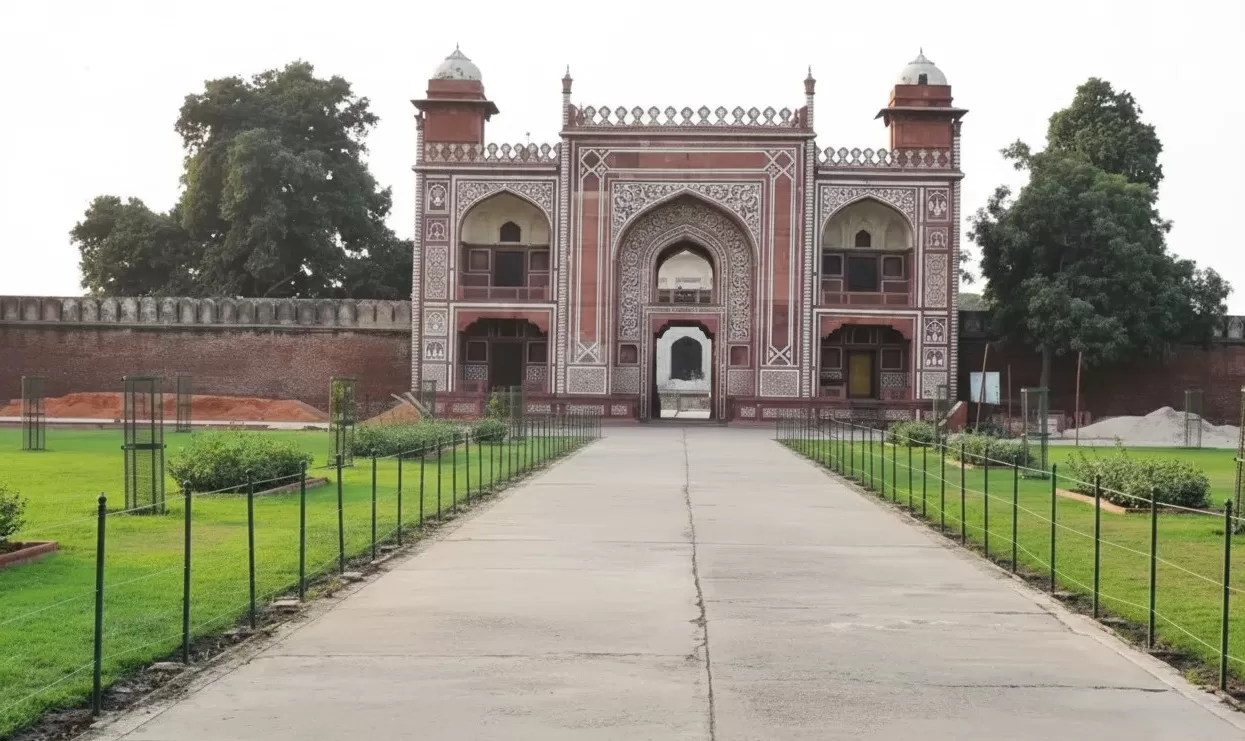
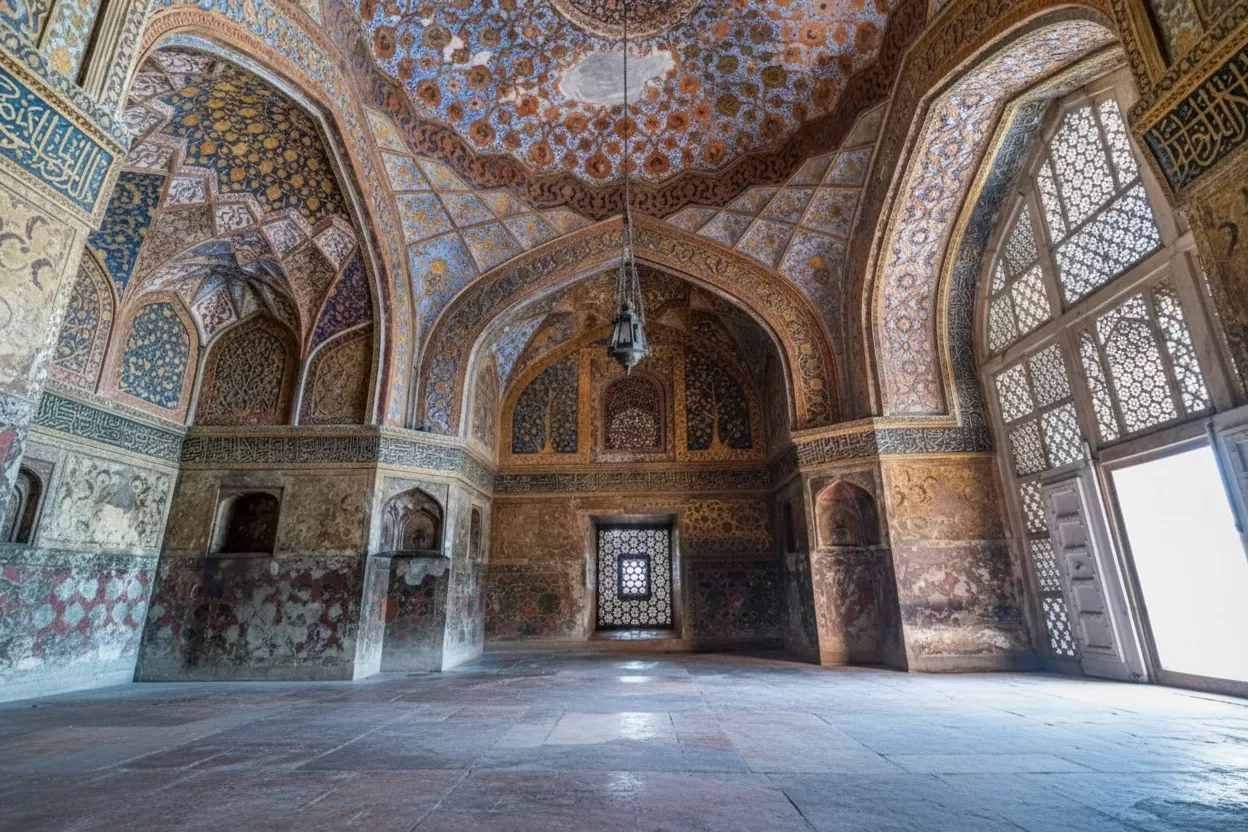
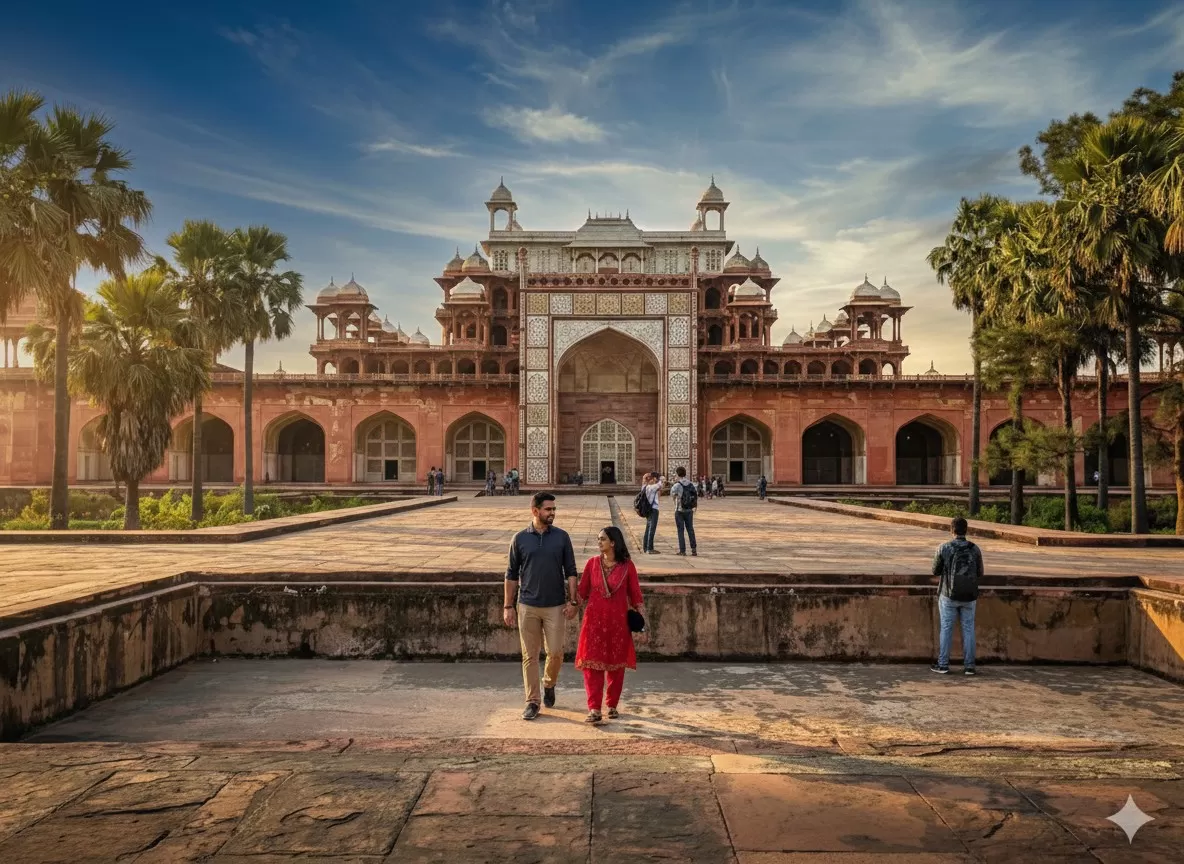
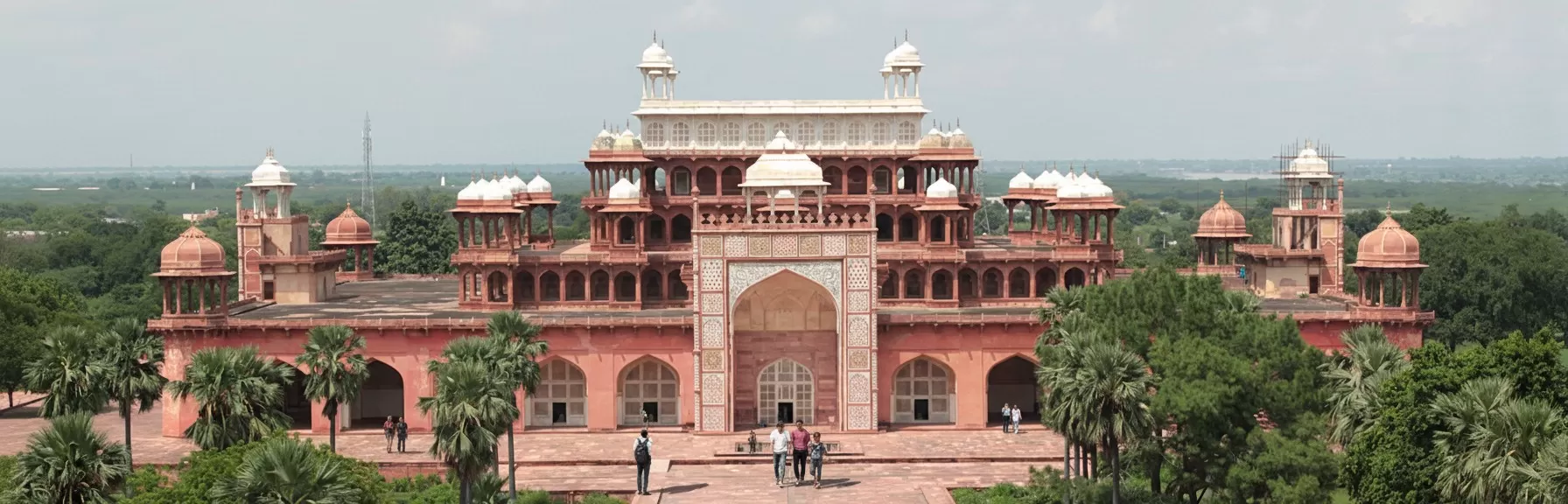
The architecture of the monument is unique among Mughal structures. Unlike many Mughal mausoleums that feature large central domes, Akbar's Tomb follows a pyramid-like, multi-tiered design. The structure is primarily built of red sandstone and decorated with white marble, geometric motifs, floral patterns, and intricate calligraphy. The grand southern gateway is particularly impressive, featuring four white marble minarets that are considered among the earliest examples of Mughal minaret design.
The monument reflects Akbar's policy of religious tolerance and cultural inclusiveness. Architectural elements inspired by Hindu, Islamic, Jain, and Buddhist traditions can be seen throughout the complex. This fusion of styles makes the tomb an important landmark in the evolution of Mughal architecture.
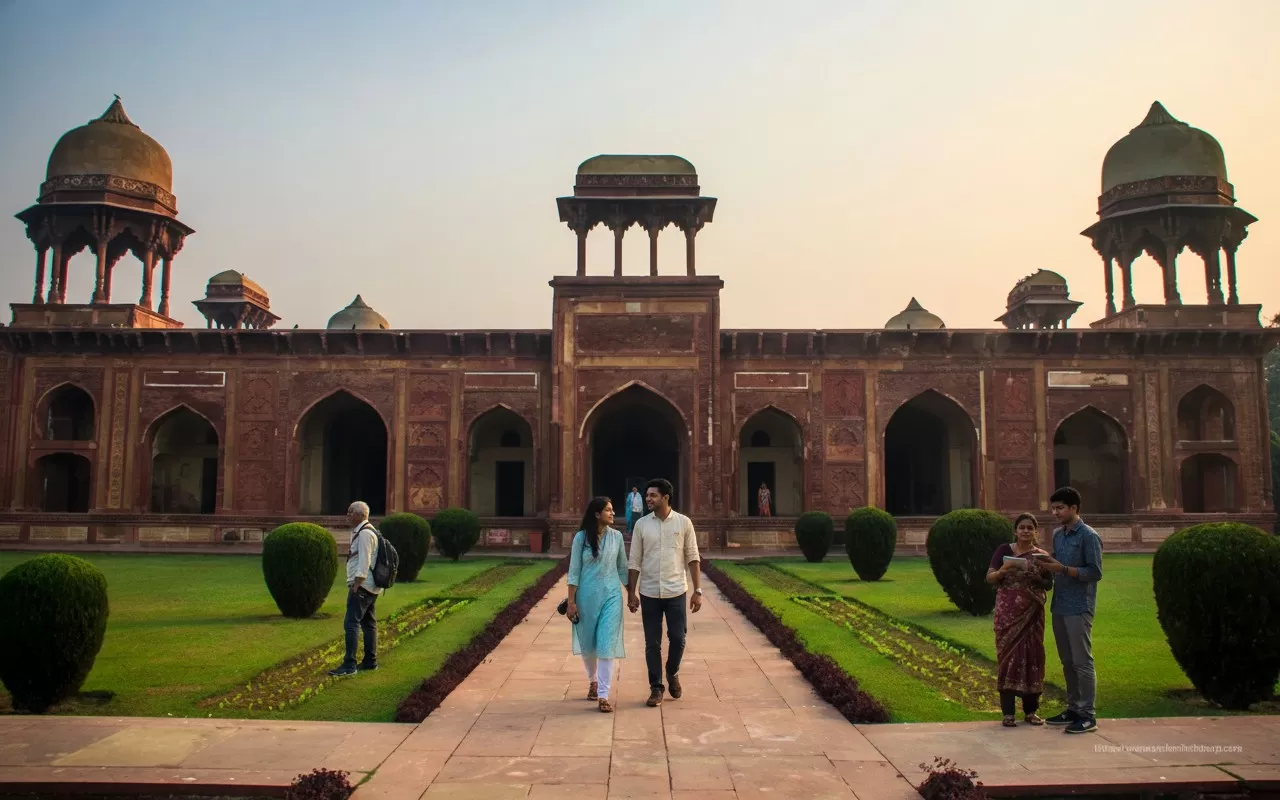
Visitors entering the complex pass through beautifully landscaped gardens inhabited by deer, peacocks, monkeys, and various bird species. The peaceful environment provides an ideal setting for history lovers, photographers, and architecture enthusiasts.
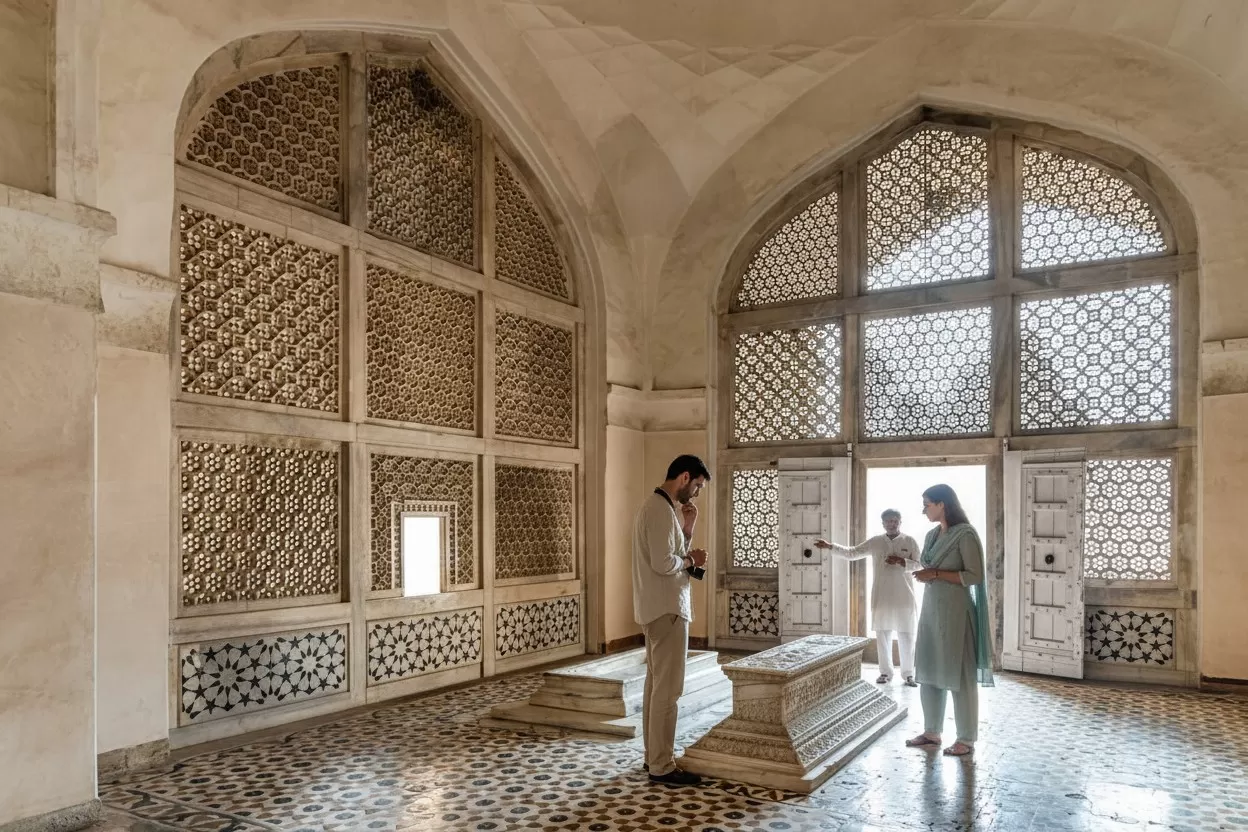
Inside the main structure lies the symbolic cenotaph of Akbar, while the actual burial chamber is located in the basement. The intricate craftsmanship, historical significance, and tranquil surroundings make Akbar's Tomb one of Agra's most rewarding heritage attractions. It offers visitors a fascinating glimpse into the life, achievements, and enduring legacy of one of India's greatest rulers.
The architecture of the monument is unique among Mughal structures. Unlike many Mughal mausoleums that feature large central domes, Akbar's Tomb follows a pyramid-like, multi-tiered design. The structure is primarily built of red sandstone and decorated with white marble, geometric motifs, floral patterns, and intricate calligraphy. The grand southern gateway is particularly impressive, featuring four white marble minarets that are considered among the earliest examples of Mughal minaret design.
The monument reflects Akbar's policy of religious tolerance and cultural inclusiveness. Architectural elements inspired by Hindu, Islamic, Jain, and Buddhist traditions can be seen throughout the complex. This fusion of styles makes the tomb an important landmark in the evolution of Mughal architecture.
Visitors entering the complex pass through beautifully landscaped gardens inhabited by deer, peacocks, monkeys, and various bird species. The peaceful environment provides an ideal setting for history lovers, photographers, and architecture enthusiasts.
Inside the main structure lies the symbolic cenotaph of Akbar, while the actual burial chamber is located in the basement. The intricate craftsmanship, historical significance, and tranquil surroundings make Akbar's Tomb one of Agra's most rewarding heritage attractions. It offers visitors a fascinating glimpse into the life, achievements, and enduring legacy of one of India's greatest rulers.