
EN हिंदी
Dudhwa National Park
1 / 13
National Park

Dudhwa National Park

4.3 (341 Reviews)
📍 Palia Kalan, Lakhimpur Kheri, Uttar Pradesh
🧭 📍 Get Directions
🕒
Opening TimeMorning Safari: 6:00 AM – 10:00 AM Evening Safari: 2:30 PM – 6:00 PM
Entry Fee₹₹100 – ₹150 per person Foreign Tourist: ₹600 – ₹800 per person Jeep Safari: ₹1500 – ₹3000
🌤
Best SeasonNovember - Epril , Closed during monsoon
Durationone full day
🅿️
ParkingAvailable
👨‍👩‍👧
Family FriendlyYes
Discover the destination

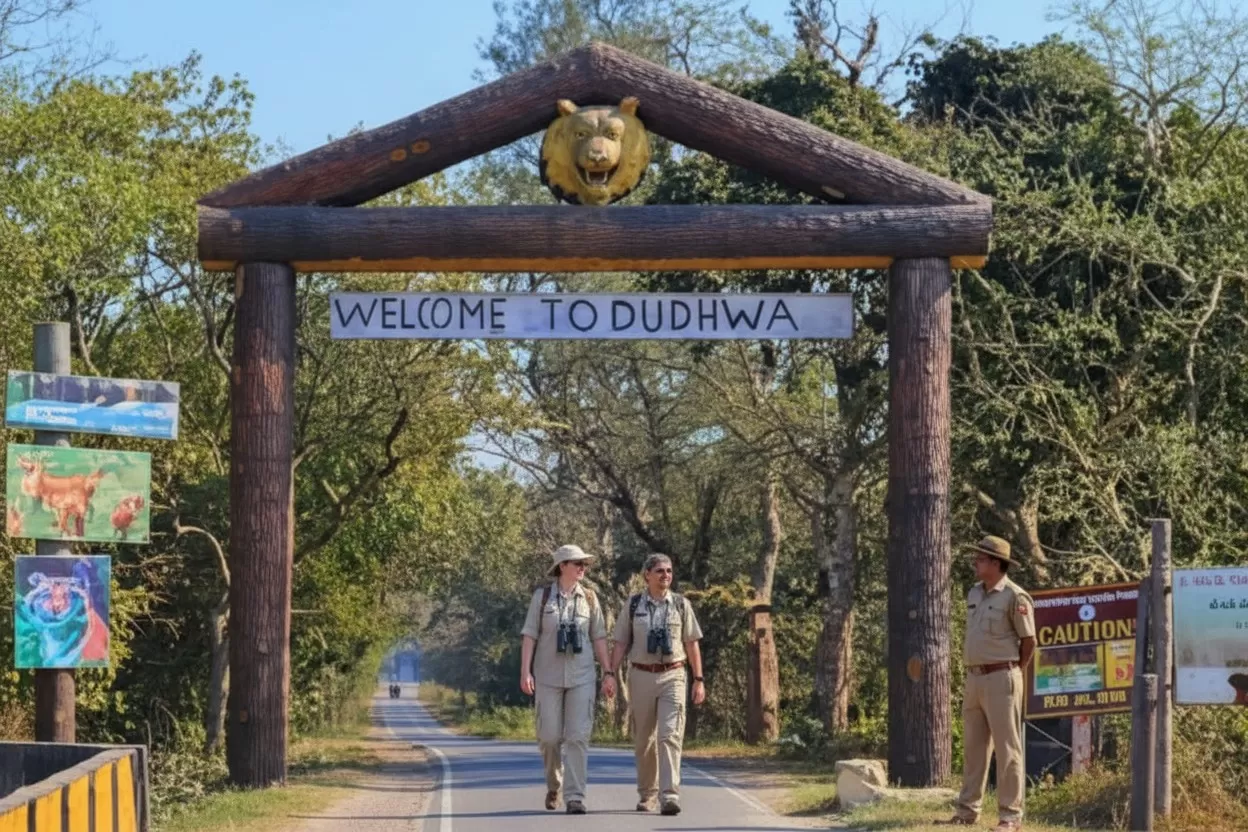
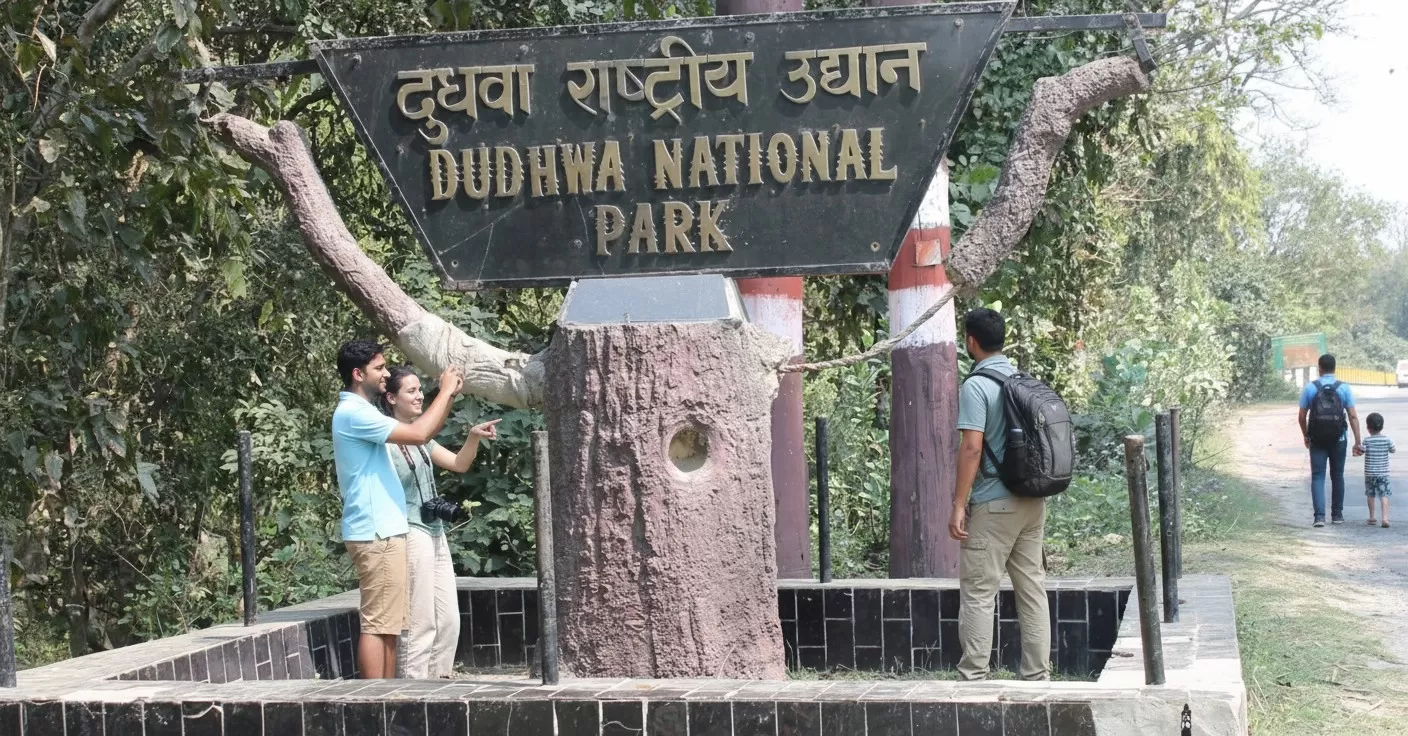
Dudhwa National Park

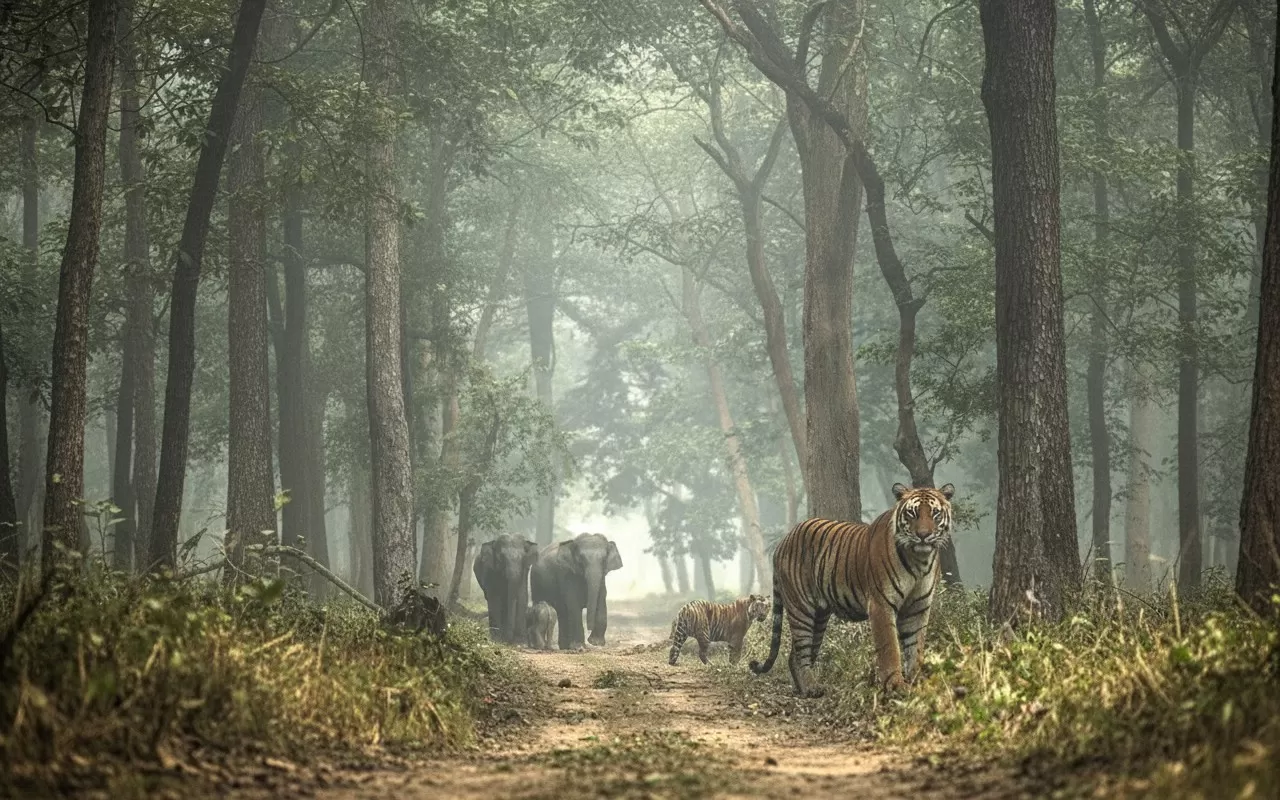
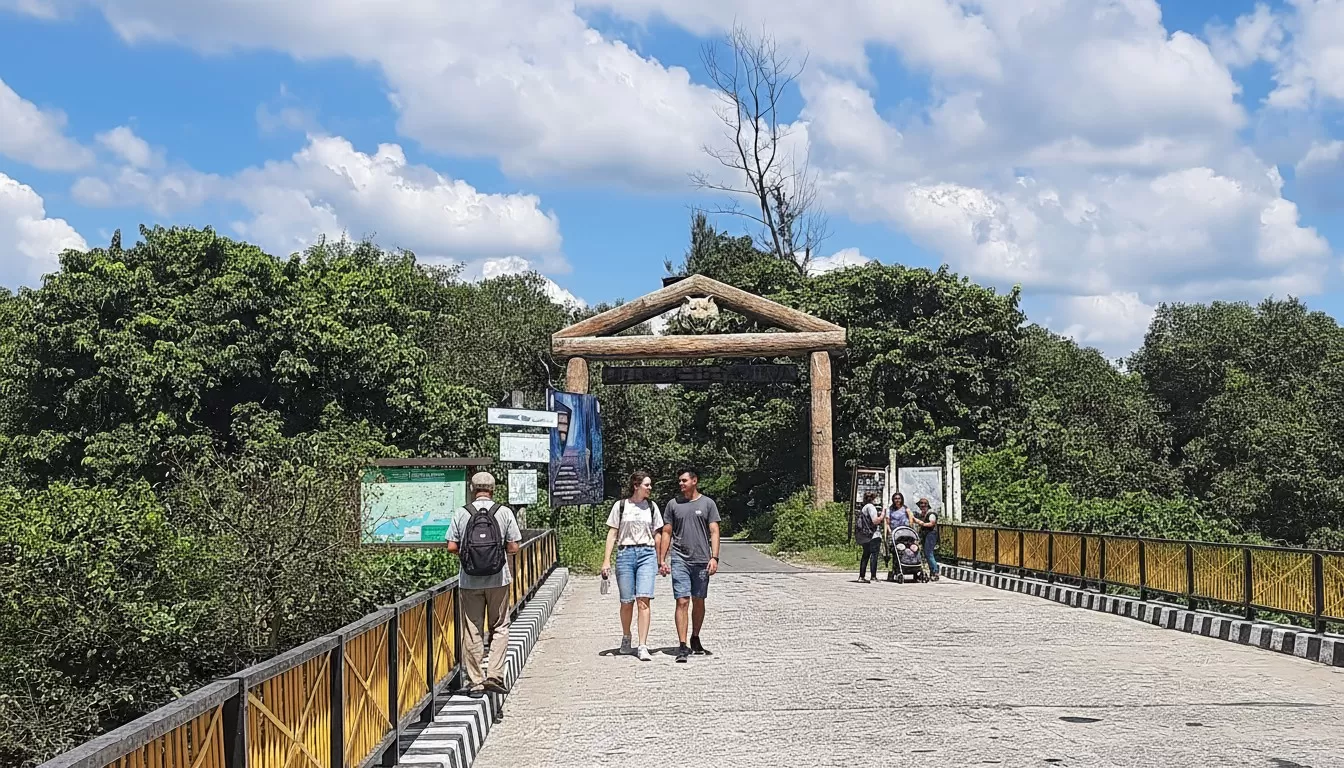
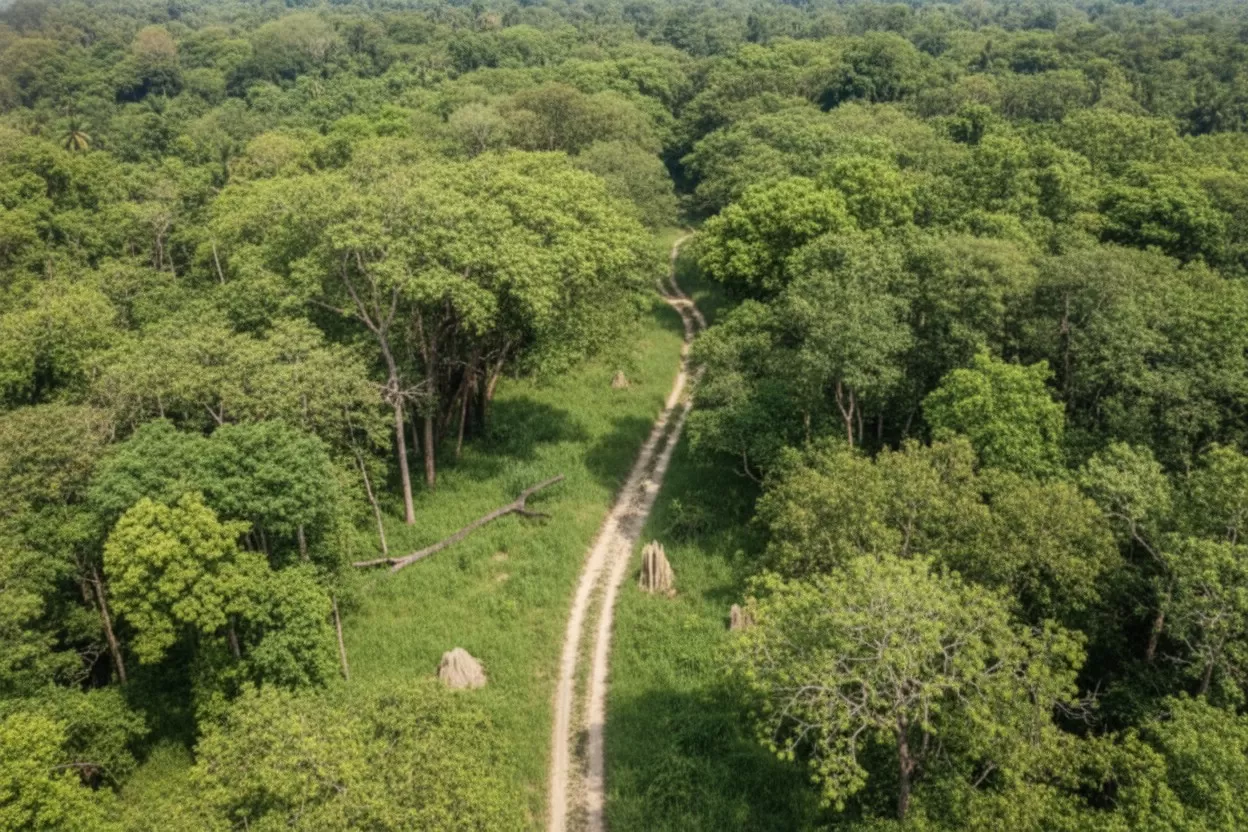
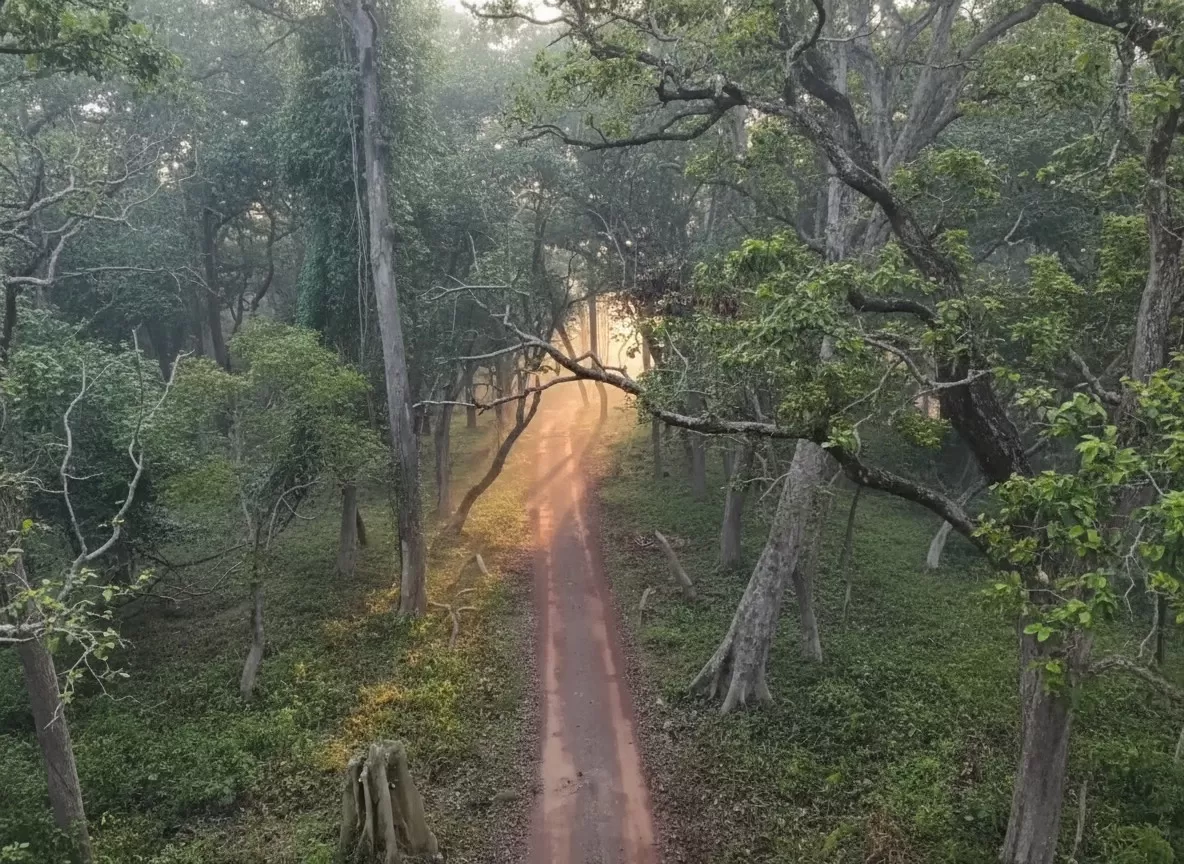
Dudhwa National Park is one of India's finest wildlife destinations, located in the Terai region along the Indo-Nepal border. Established in 1977, it is renowned for its rich biodiversity, dense sal forests, vast grasslands, and wetlands. The park is home to Bengal tigers, one-horned rhinoceroses, elephants, swamp deer (barasingha), and over 450 bird species. As part of the Dudhwa Tiger Reserve, it offers nature lovers an authentic wilderness experience and excellent opportunities for wildlife photography and birdwatching.

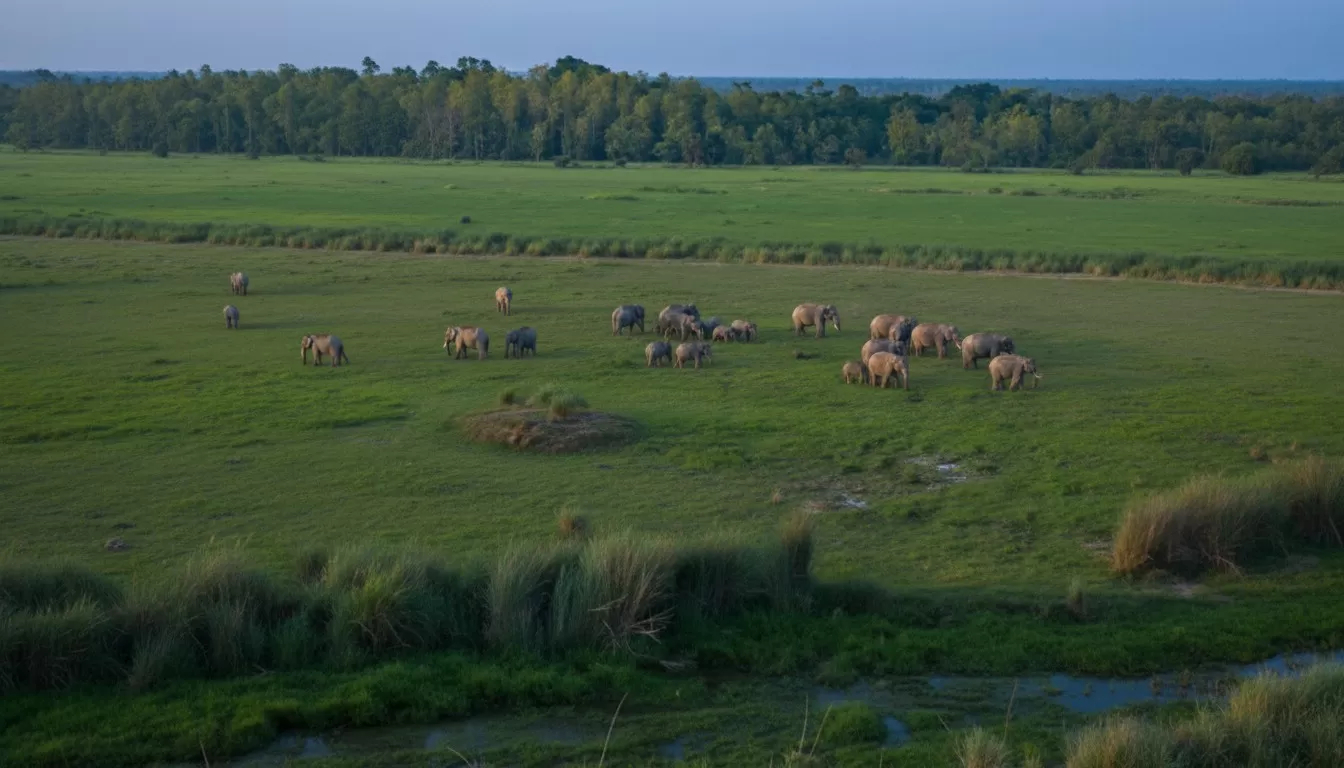
Dudhwa National Park is a premier wildlife sanctuary located in the Lakhimpur Kheri district of Uttar Pradesh, near the border of Nepal. Spread across approximately 490 square kilometers, the park forms the core area of the Dudhwa Tiger Reserve and represents one of the most important protected ecosystems in northern India. The park is situated in the fertile Terai belt, characterized by dense sal forests, extensive grasslands, marshes, and wetlands that support an extraordinary variety of flora and fauna.

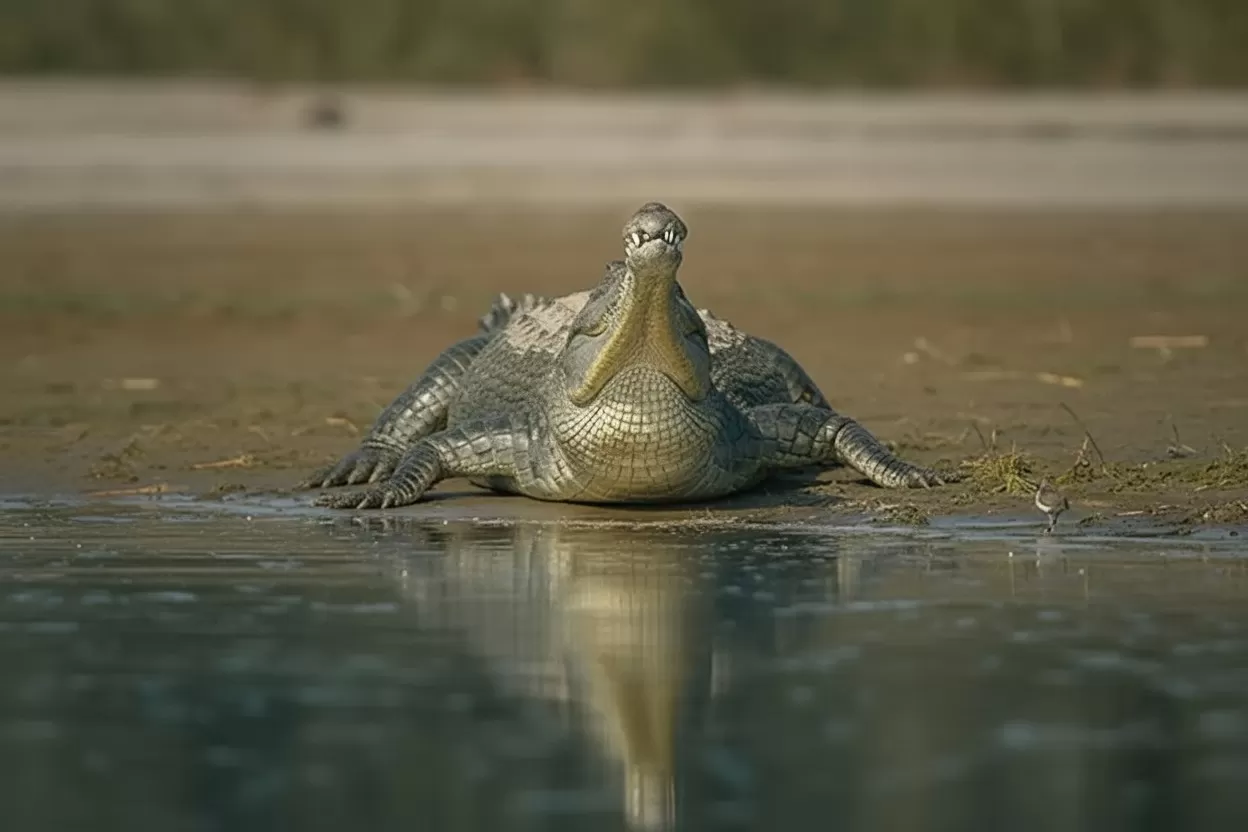
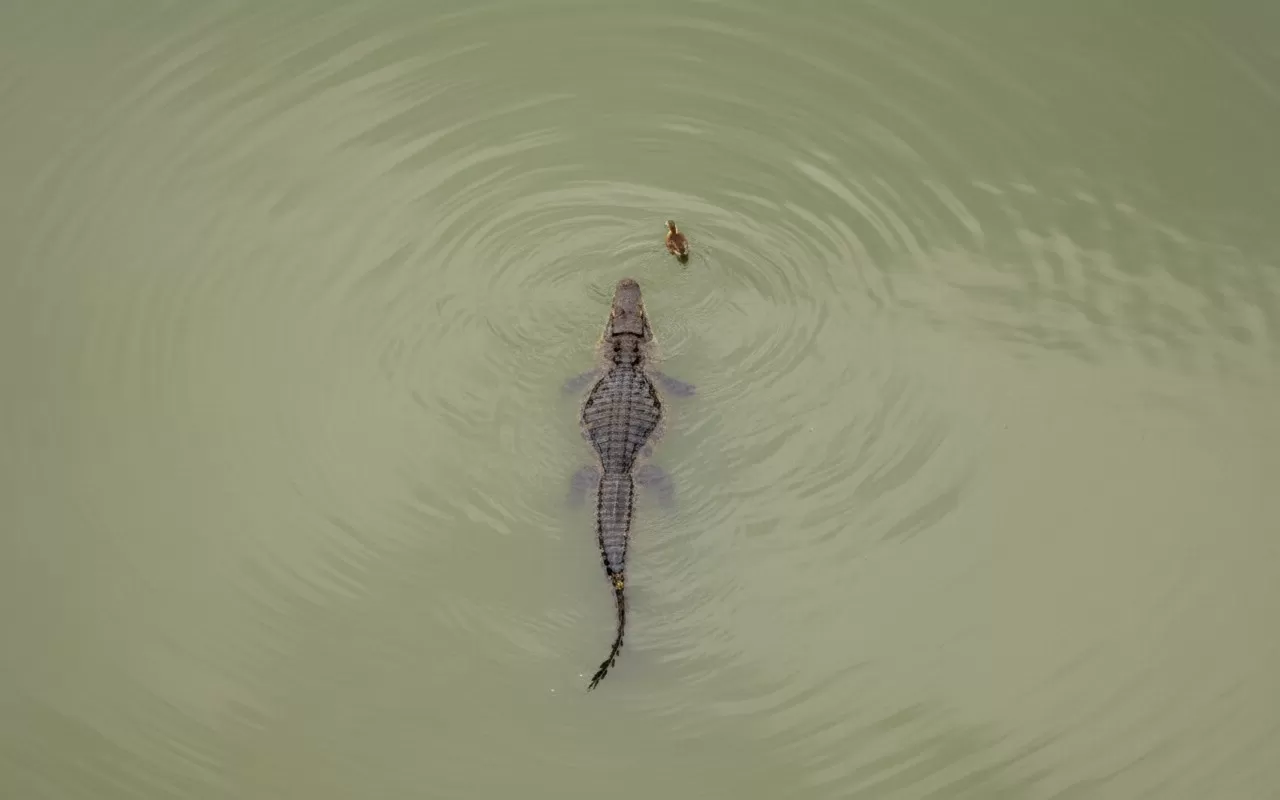
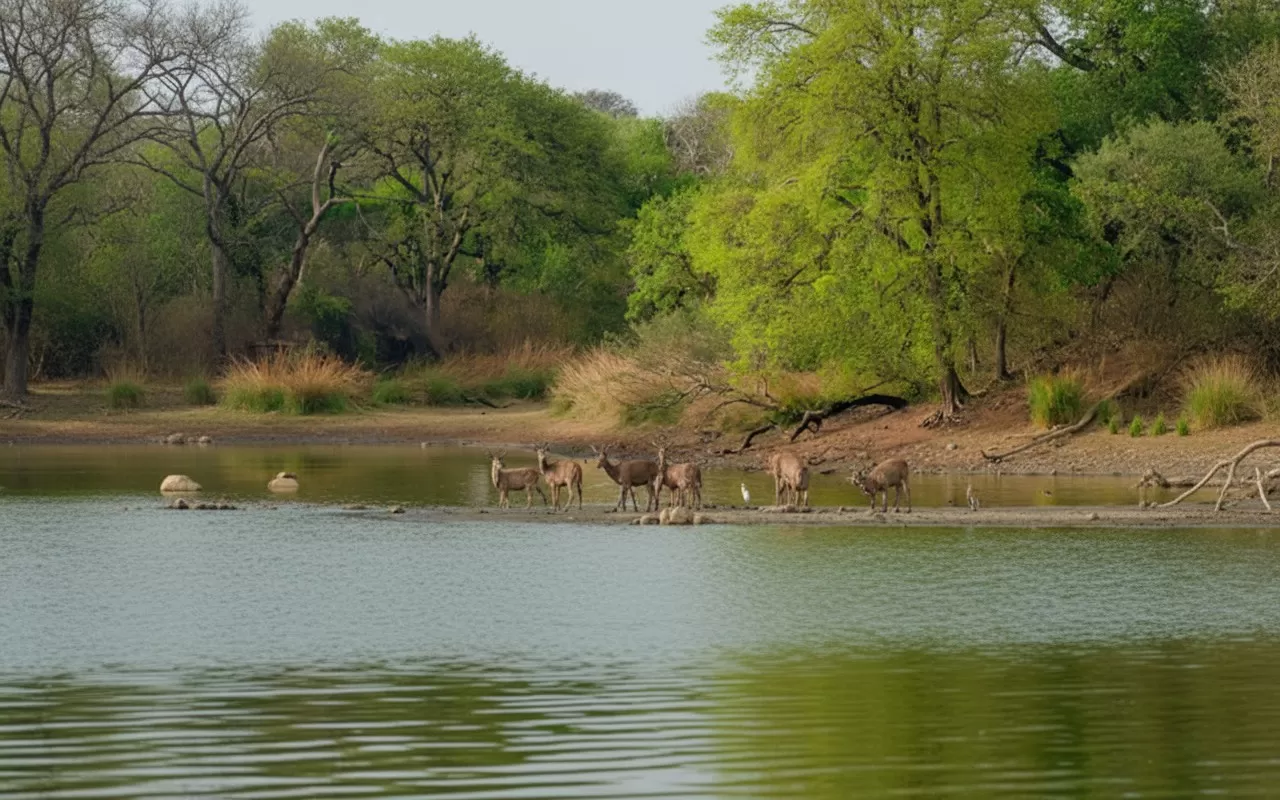
Dudhwa is particularly famous for its successful conservation efforts involving the endangered one-horned rhinoceros and the swamp deer, locally known as barasingha. The park also provides habitat for Bengal tigers, leopards, Asian elephants, sloth bears, wild boars, and numerous species of deer. Its diverse landscape makes it one of the best places in North India for wildlife observation and nature photography.
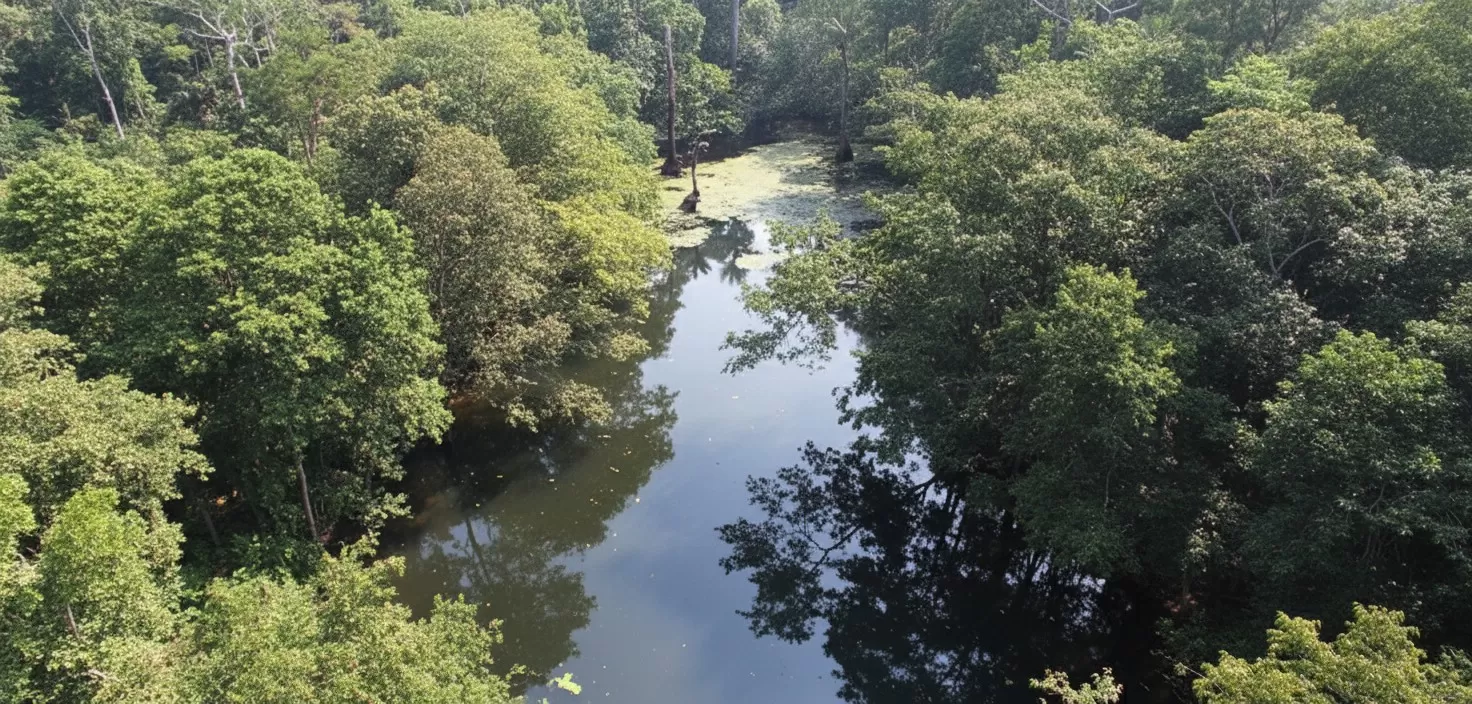
Birdwatchers are especially attracted to Dudhwa because of its remarkable avian diversity. More than 450 bird species have been recorded here, including migratory birds that arrive during winter. Wetlands within the park create ideal conditions for waterfowl, storks, eagles, owls, and many other bird species.

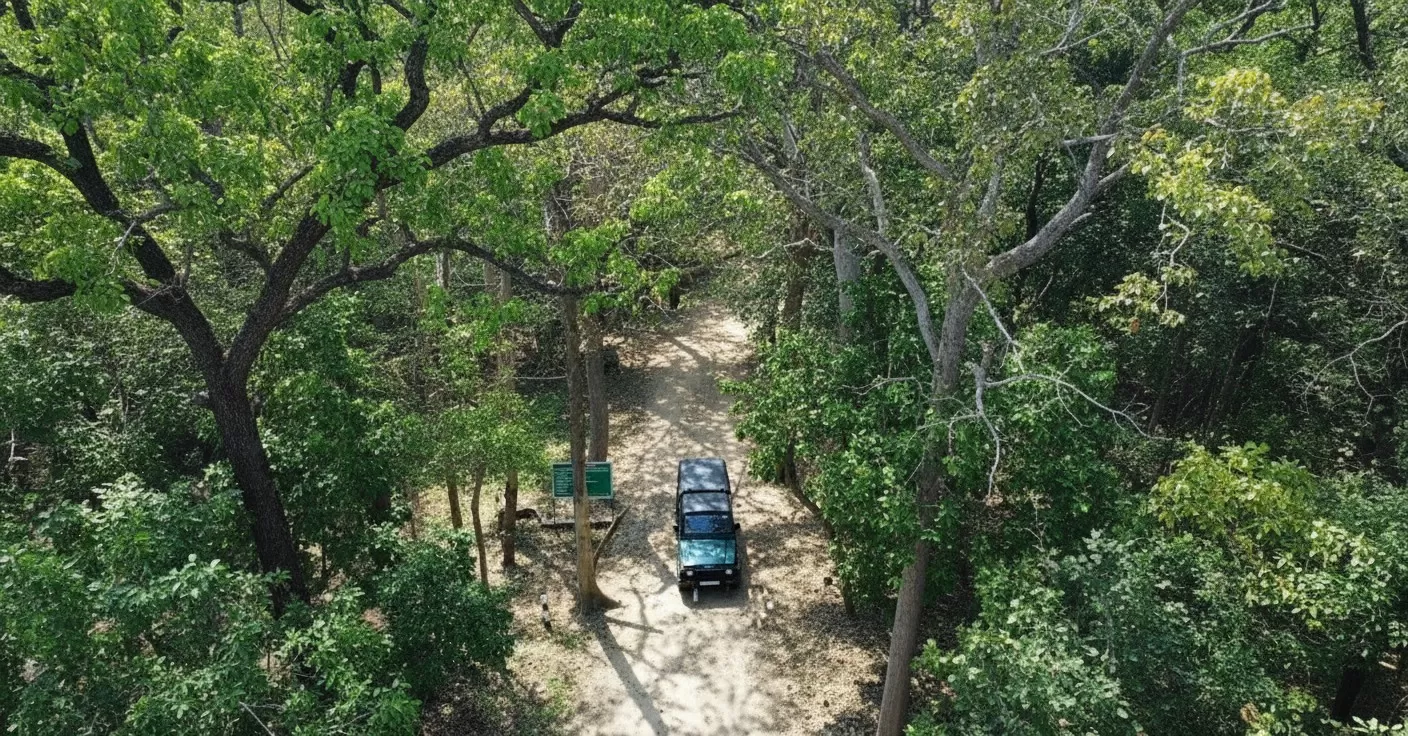
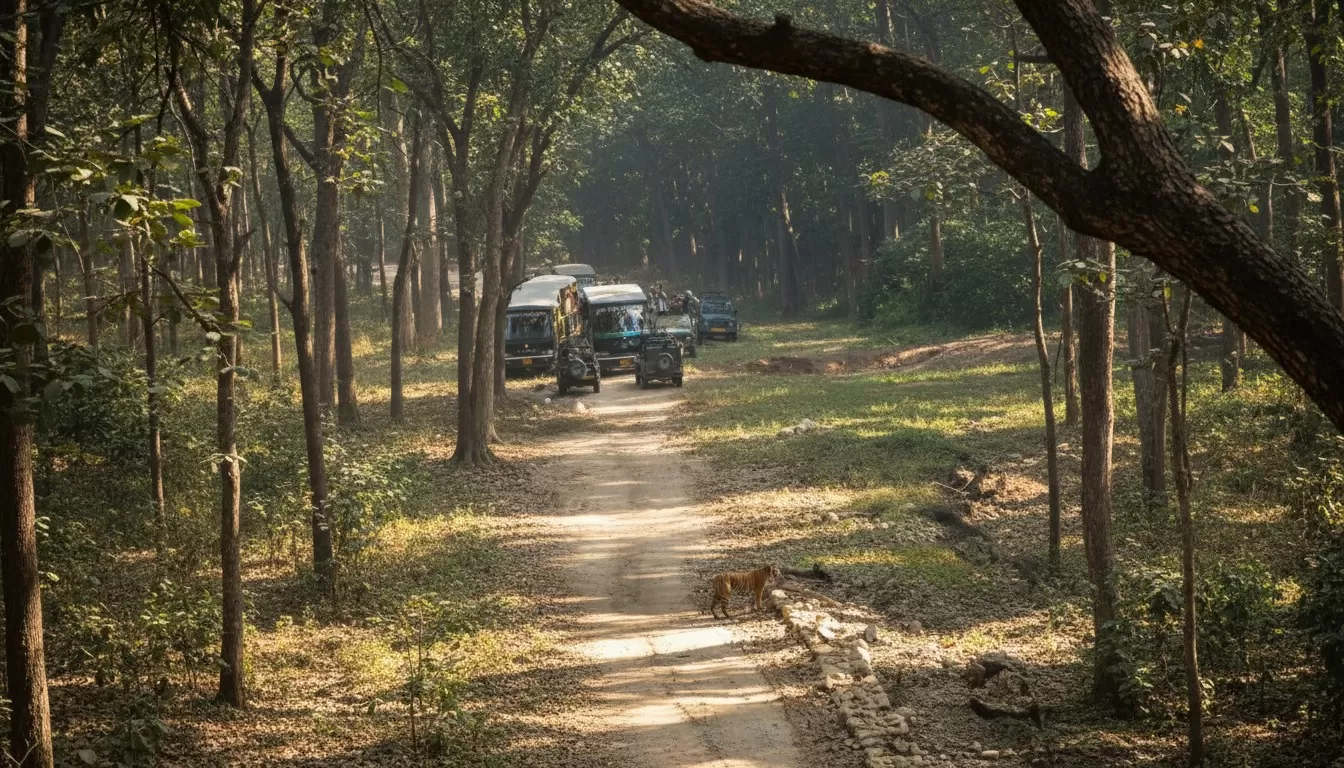
Visitors can explore the park through guided jeep safaris that pass through forests and grasslands, offering opportunities to observe animals in their natural surroundings. The peaceful environment and relatively low tourist crowds provide a more intimate wildlife experience compared to many other national parks in India.Apart from wildlife, Dudhwa plays a significant role in ecological conservation by preserving the fragile Terai ecosystem and maintaining biodiversity. Its combination of scenic landscapes, rich wildlife, and successful conservation programs makes Dudhwa National Park a must-visit destination for nature enthusiasts, wildlife photographers, researchers, and travelers seeking an authentic jungle adventure in northern India.
The park’s serene environment, combined with its rich biodiversity, makes it an ideal destination for nature lovers seeking tranquility and adventure. Whether it's spotting a tiger in the wild, watching herds of deer grazing, or listening to the calls of exotic birds, Dudhwa National Park promises an unforgettable experience in the heart of nature.
🐅 Bengal Tigers
🦏 Reintroduced One-Horned Rhinoceros
🦌 Swamp Deer (Barasingha)
🐘 Asian Elephants
🐆 Leopards
🐦 450+ species of birds
Why Visit

Why Visit Dudhwa National Park?

Discover what makes this destination one of the most loved tourist attractions.

Dudhwa National Park

🍛 Local Food

1

Baati Chokha

Baati Chokha is one of the most popular traditional meals around Dudhwa. Crispy wheat balls are baked over fire and served with mashed roasted potatoes, tomatoes, and brinjal mixed with mustard oil and spices. It is simple, filling, and full of authentic village flavours.

2

Tehri

Tehri is a simple rice dish prepared with seasonal vegetables, turmeric, and aromatic spices. It is commonly served with curd, pickle, or papad and is a favourite homemade meal in the region.

3

Litti with Ghee

Litti, stuffed with roasted gram flour and traditional spices, is roasted over coal and served with melted desi ghee. It is known for its smoky flavour and wholesome taste.

4

Kheer

Traditional rice kheer made with milk, sugar, cardamom, and dry fruits is commonly prepared during festivals and special occasions. Its rich and creamy taste makes it a favourite dessert.

5

Jalebi with Rabri

Freshly prepared hot jalebis served with thick, creamy rabri are a popular breakfast and sweet dish in nearby towns. The combination of crispy jalebi and rich rabri is loved by both locals and tourists.

🦁

Safari

Enjoy an exciting safari through the national park to spot wildlife. Follow park regulations and maintain silence during the safari.

📸

Wildlife Photography

Capture stunning photographs of wild animals and natural landscapes. Respect wildlife by keeping a safe distance and avoiding disturbance.

🦜

Bird Watching

Observe a variety of resident and migratory birds in their natural habitat. Carry binoculars and enjoy peaceful birdwatching throughout the park.

🚶

Nature Walk

Walk along designated nature trails surrounded by forests and wildlife. Learn about the park's rich biodiversity while enjoying fresh air.

🏕️

Camping

Experience camping amidst nature where camping is permitted. Follow eco-friendly practices and respect the protected environment.

🏛️

Visit Interpretation Centre

Visit the interpretation centre to learn about wildlife and conservation. Explore exhibits, educational displays, and interactive information.

🌿

Eco Tourism

Experience eco-friendly tourism while helping protect nature and wildlife. Follow responsible travel practices to preserve the park's ecosystem.

🚗

Scenic Drive

Enjoy a scenic drive through beautiful forest roads and viewpoints. Keep an eye out for wildlife while following all traffic and park rules.

Plan Your Trip

Travel Tips & Essential Information

Everything you should know before visiting Dudhwa National Park.

🌤

Best Time to Visit

November - Epril , Closed during monsoon

👕

What to Wear

Wear comfortable clothes and walking shoes. Carry a light jacket during winter mornings.

📷

Photography

Sunrise and sunset provide the best lighting for beautiful photographs.

🍴

Local Food

Try nearby local restaurants to enjoy authentic regional cuisine.

🛡

Safety Tips

Keep your belongings secure and follow local guidelines during your visit.

🚗

Accessibility

The destination is accessible by road with nearby parking and public transport facilities.

💧

Carry Water

Stay hydrated, especially during summer and while exploring outdoor attractions.

📍

Nearby Facilities

Hotels, restaurants, ATMs, fuel stations and medical services are available nearby.

Travel_guide

Travel Information

🚗

How to Reach

  • ✈️
    By Air: The nearest airport is Chaudhary Charan Singh International Airport (~230 km).,
  • 📍
    By Rail: The closest railway station is Dudhwa Railway Station with better connectivity via Mailani Junction.,
  • 🛣️
    By Road: Well-connected by road from Lucknow and Lakhimpur Kheri via buses and taxis
💡

Travel Tips & Essential Information

  • Book safari permits in advance,
  • Carry binoculars sunscreen and insect repellent,
  • Wear neutral-colored clothing (avoid bright colors),
  • Follow forest rules strictly—no littering or loud noise

Why Visit

  • One of India’s finest Terai ecosystems with dense forests and grasslands,
  • Home to rare wildlife like the one-horned rhinoceros and swamp deer (barasingha),
  • Ideal for wildlife safaris birdwatching and nature photography,
  • Less crowded compared to parks like Jim Corbett National Park

Special Features

  • Part of the Dudhwa Tiger Reserve,
  • Hosts over 450 bird species making it a birdwatcher’s paradise,
  • Unique mix of wetlands grasslands and sal forests,
  • Conservation success story for endangered species like the Bengal tiger and rhinoceros
Activities

Things To Do

✔️ Jeep Safari (morning & evening)
✔️ Birdwatching
✔️ Elephant sightings
📷✔️ Nature photography
✔️ Visit Rhino rehabilitation area
✔️ Explore nearby grassland ecosystems
Current Weather

Current Weather

🌤 Live Weather
☀️
--
Loading...
Feels Like

💧 Humidity

--

💨 Wind

--

👀 Visibility

--

☀ UV Index

--

Weather Details


🌡 Pressure --
🌧 Rain Chance --
🧭🧭 Wind Direction --
🌄 Sunrise --
🌇 Sunset --

🌫🌫 Air Quality


--
Loading...

PM2.5 --
PM10 --
CO --
NO₂ --
O₃ --
SO₂ --

⭐ Travel Intelligence


--
--
Loading...
Calculating...

🚨 Weather Alerts


Waiting for weather updates...

⚙ System Status


🌐 Connection Checking...
📍 GPS Detecting...
⚡ API Time --
🕒 Last Update --
FunYatra Weather Intelligence
Powered by
Location

Find on Map

📍 Palia Kalan, Uttar Pradesh

🧭 📍 Get Directions
Share your experience

Visited Dudhwa National Park?

Share your experience, tips, and photos to help other travelers.

Frequently Asked

Frequently Asked Questions

Best Time to Visit Dudhwa National Park?

November - Epril , Closed during monsoon

Opening Time

Morning Safari: 6:00 AM – 10:00 AM Evening Safari: 2:30 PM – 6:00 PM

Entry Fee

The entry fee is ₹₹100 – ₹150 per person Foreign Tourist: ₹600 – ₹800 per person Jeep Safari: ₹1500 – ₹3000.

How much time is required?

one full day

How to Reach Dudhwa National Park?

By Air: The nearest airport is Chaudhary Charan Singh International Airport (~230 km).,
By Rail: The closest railway station is Dudhwa Railway Station with better connectivity via Mailani Junction.,
By Road: Well-connected by road from Lucknow and Lakhimpur Kheri via buses and taxis

Can travel information change?

Timings, entry fees, local rules, weather conditions and available facilities can change because of weekends, festivals, weather or local circumstances. It is advisable to confirm important details with the relevant local source before travelling.

Last updated: 5 July 2026