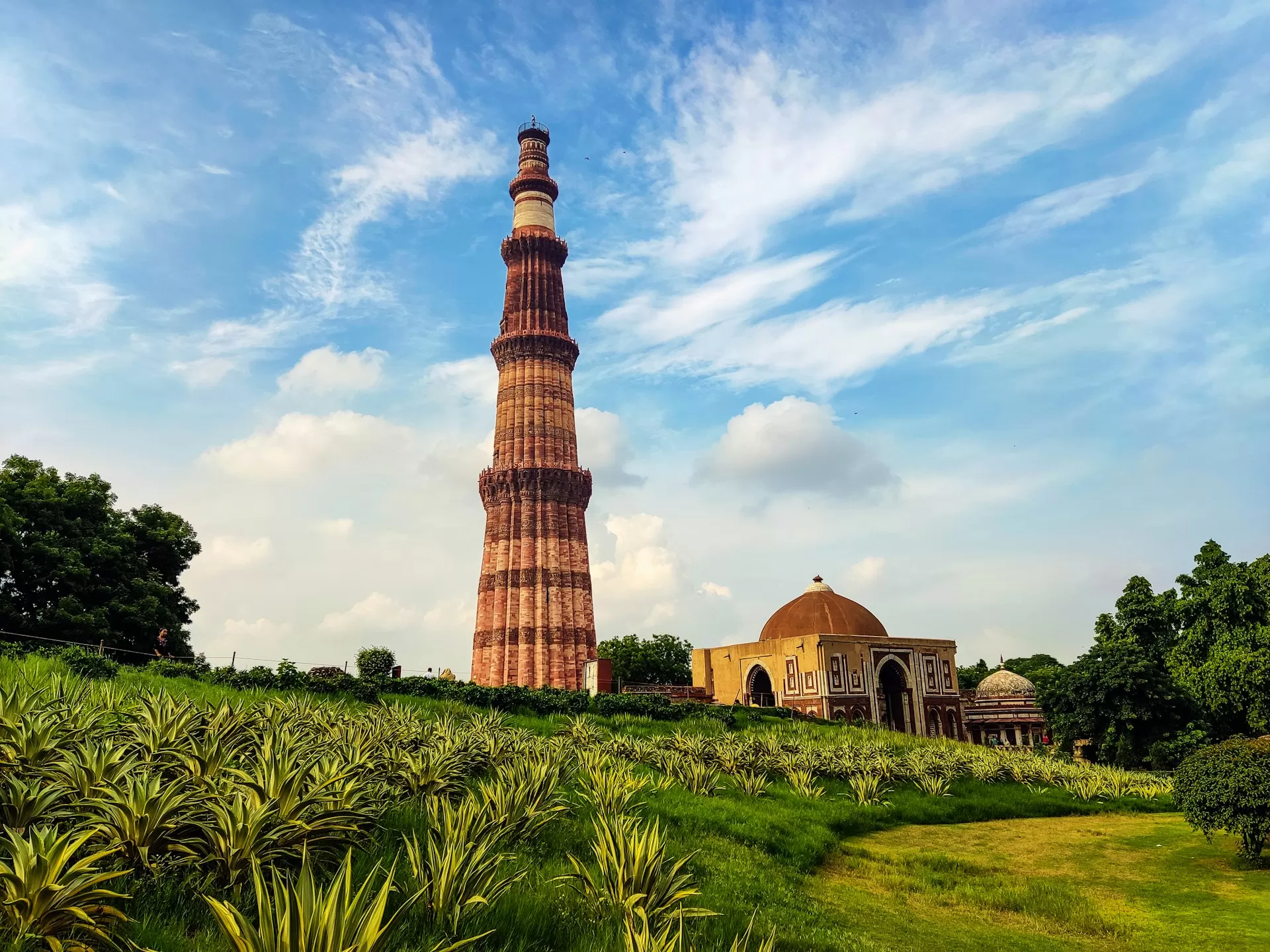
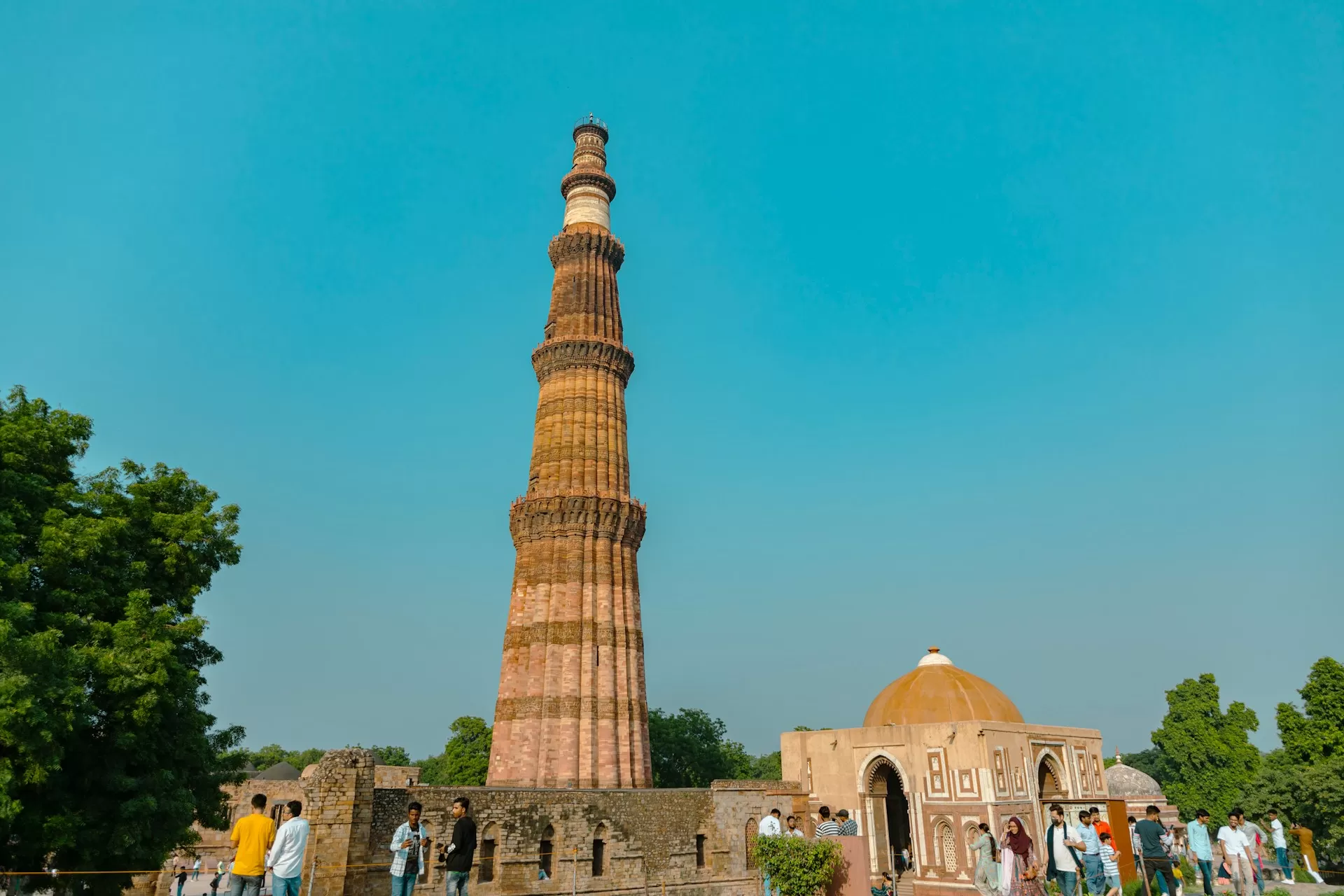
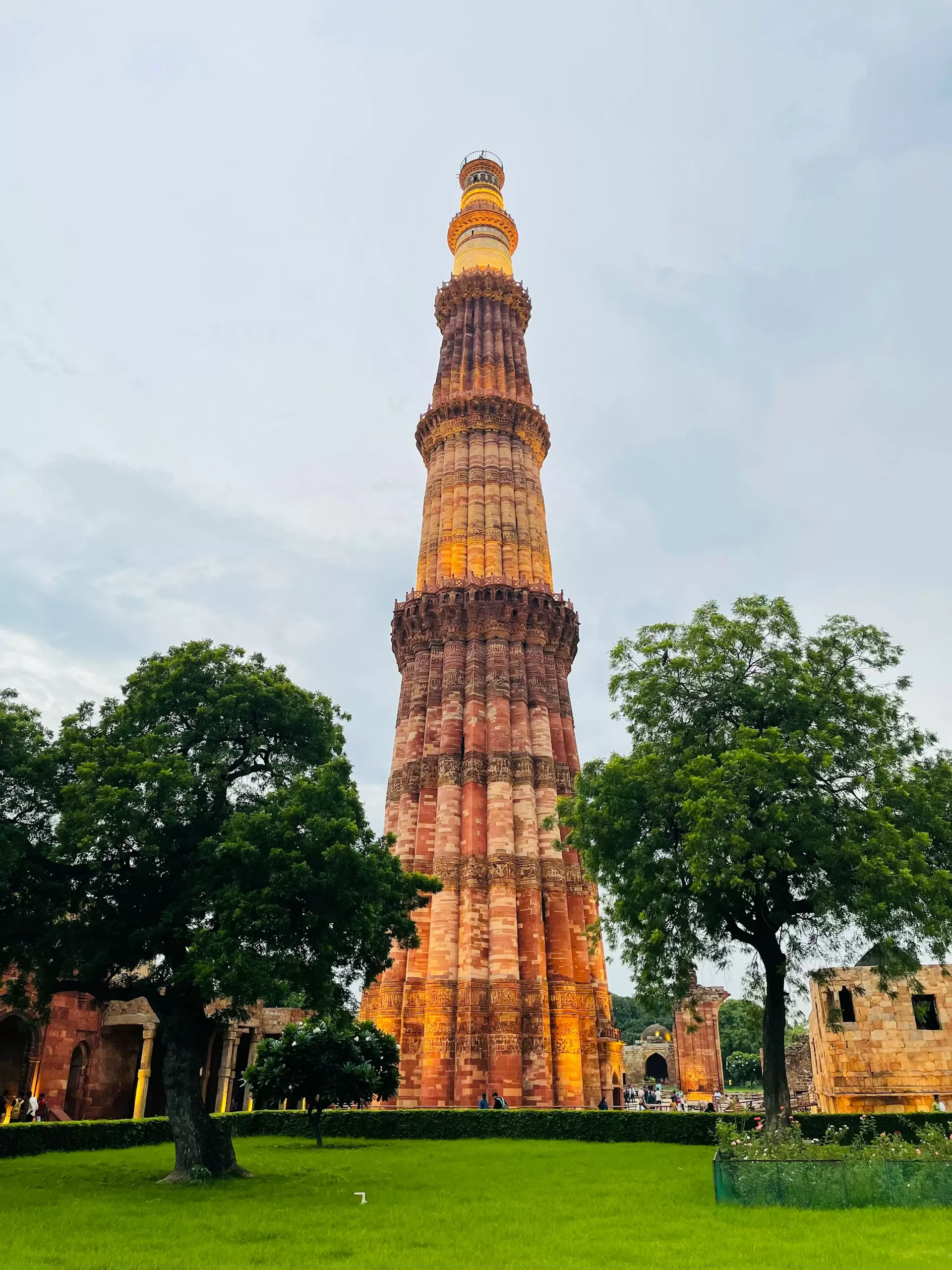
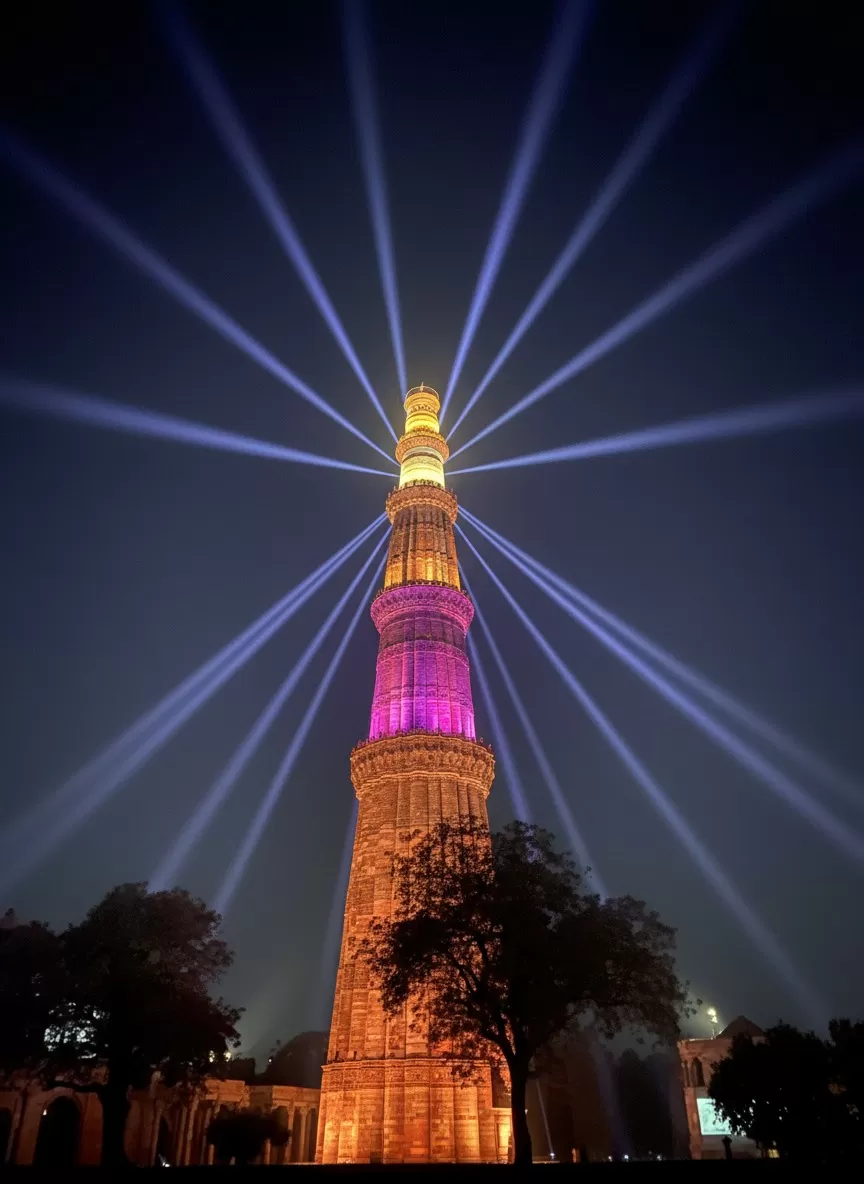
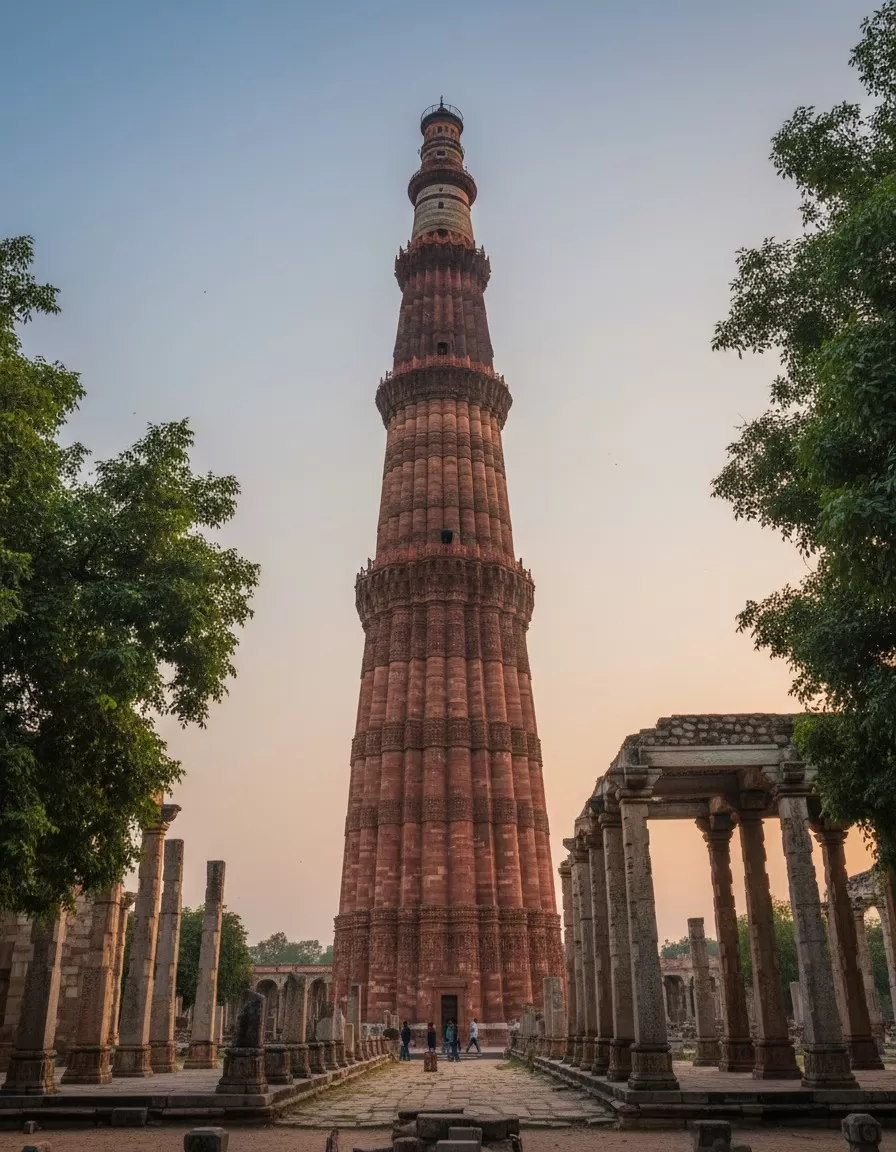
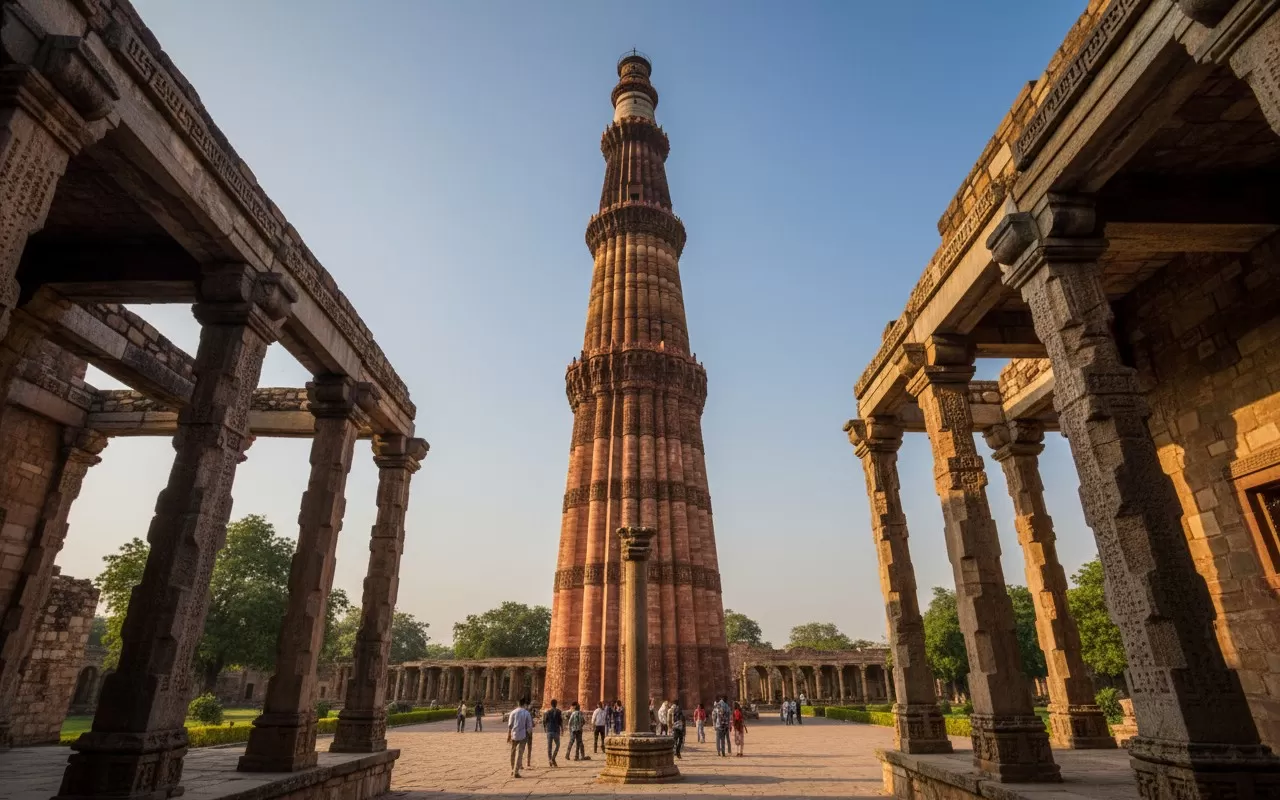
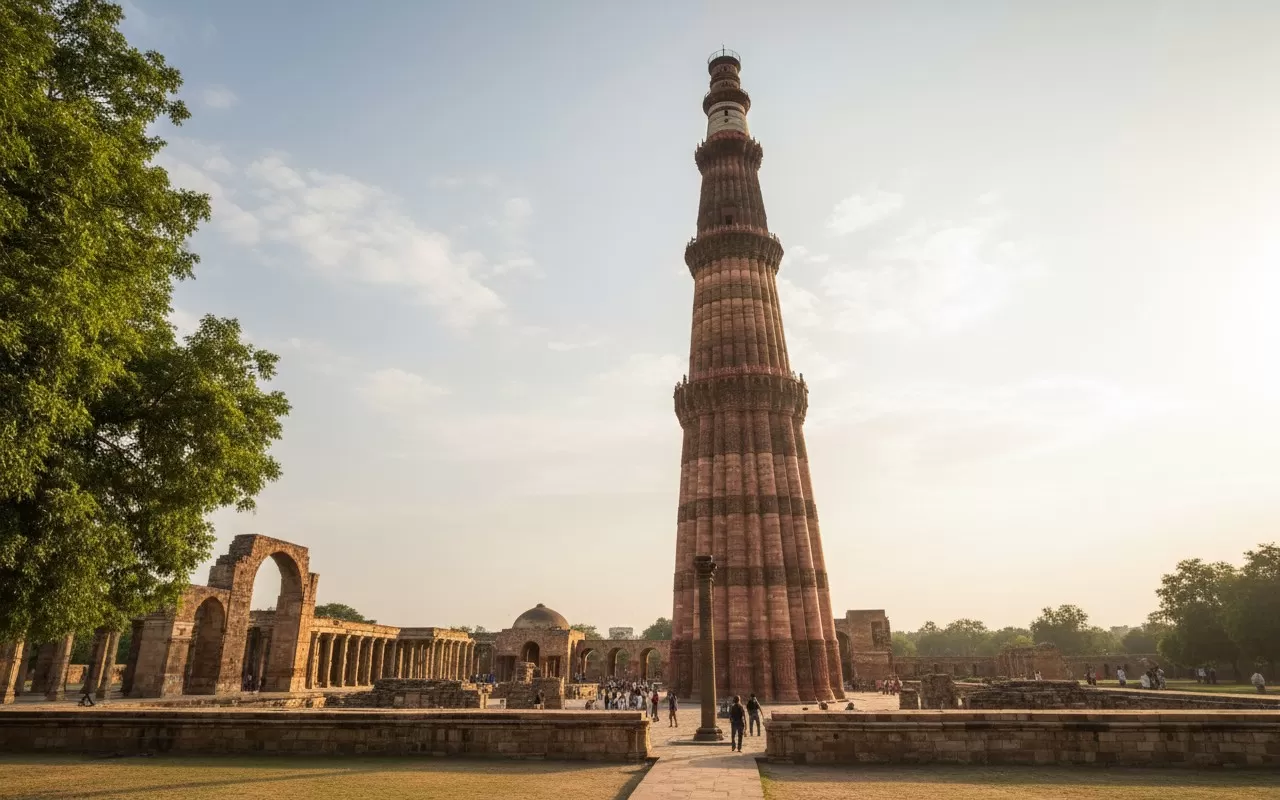
Qutub Minar is one of the most famous historical monuments in India and a symbol of Delhi's rich cultural heritage. Built in 1193 by Qutb-ud-din Aibak, the tower was later completed by his successors. Standing at a height of approximately 72.5 meters (238 feet), it is the tallest brick minaret in the world and is recognized as a UNESCO World Heritage Site. The monument showcases a remarkable blend of Indo-Islamic architecture with intricate carvings, Arabic inscriptions, and beautifully designed balconies.
Qutub Minar is one of India's most celebrated historical landmarks and a masterpiece of medieval architecture located in the Mehrauli area of Delhi. Constructed in 1193 by Qutb-ud-din Aibak, founder of the Delhi Sultanate, the monument was later expanded and completed by subsequent rulers. Rising to a height of 72.5 meters, Qutub Minar is the tallest brick minaret in the world and attracts millions of visitors every year.
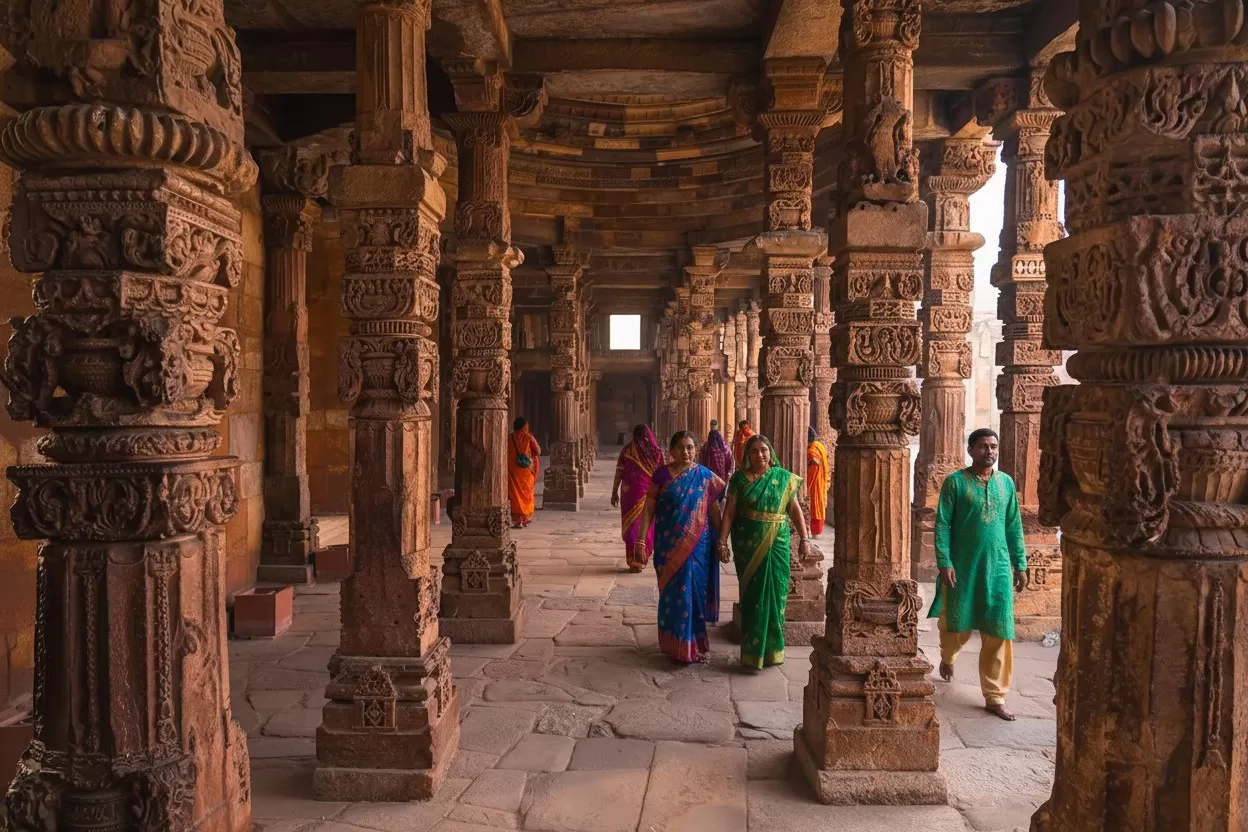
Built primarily from red sandstone with sections of marble added later, the tower consists of five distinct storeys, each adorned with projecting balconies and intricate decorative bands. The surface of the monument is covered with beautiful carvings and Arabic inscriptions that reflect the artistic excellence of the period. The structure represents a remarkable blend of Islamic and Indian architectural styles.
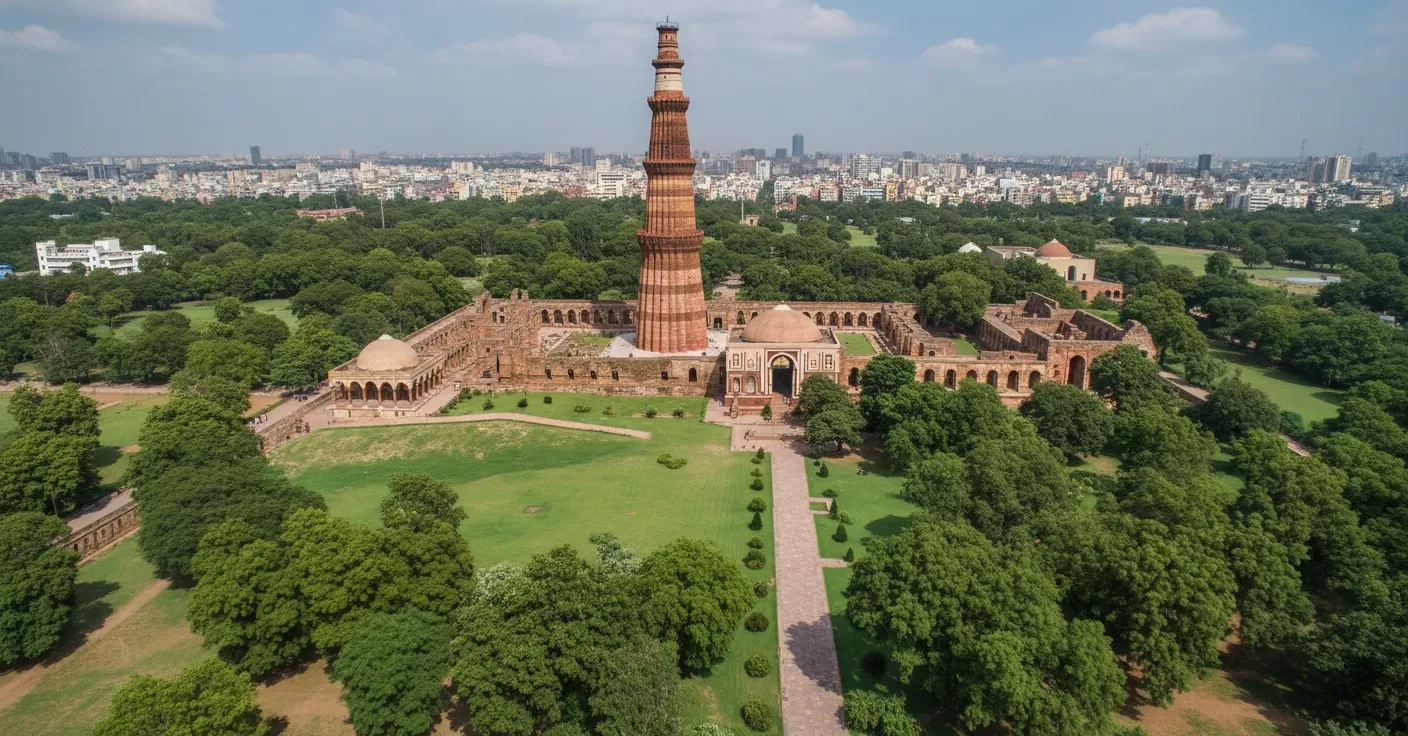
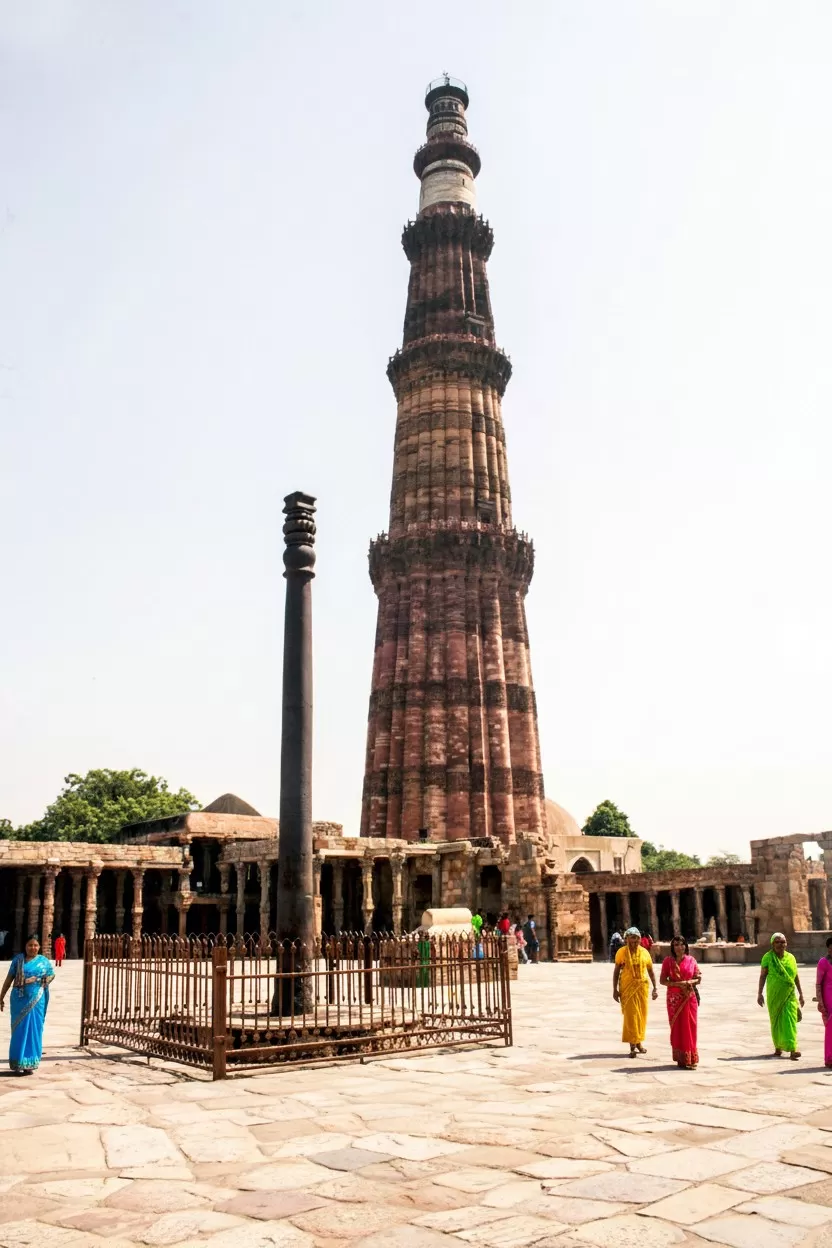
The Qutub Complex surrounding the minaret contains several significant historical monuments, including the Quwwat-ul-Islam Mosque, Alai Darwaza, Alai Minar, and the famous Iron Pillar, which has resisted corrosion for more than 1,600 years. These attractions make the complex a treasure trove of history and archaeology.
Recognized as a UNESCO World Heritage Site, Qutub Minar stands as a symbol of Delhi's rich past and cultural diversity. Visitors are captivated not only by its impressive height but also by the craftsmanship and historical importance it represents. The monument is especially beautiful during sunrise and sunset when the changing light enhances the color of the sandstone. For history lovers, architecture enthusiasts, photographers, and tourists, Qutub Minar offers an unforgettable glimpse into India's glorious heritage and remains one of the most visited monuments in the country.
Built primarily from red sandstone with sections of marble added later, the tower consists of five distinct storeys, each adorned with projecting balconies and intricate decorative bands. The surface of the monument is covered with beautiful carvings and Arabic inscriptions that reflect the artistic excellence of the period. The structure represents a remarkable blend of Islamic and Indian architectural styles.
The Qutub Complex surrounding the minaret contains several significant historical monuments, including the Quwwat-ul-Islam Mosque, Alai Darwaza, Alai Minar, and the famous Iron Pillar, which has resisted corrosion for more than 1,600 years. These attractions make the complex a treasure trove of history and archaeology.
Recognized as a UNESCO World Heritage Site, Qutub Minar stands as a symbol of Delhi's rich past and cultural diversity. Visitors are captivated not only by its impressive height but also by the craftsmanship and historical importance it represents. The monument is especially beautiful during sunrise and sunset when the changing light enhances the color of the sandstone. For history lovers, architecture enthusiasts, photographers, and tourists, Qutub Minar offers an unforgettable glimpse into India's glorious heritage and remains one of the most visited monuments in the country.