
The ancient Buddhist monument of Sanchi Stupa is one of India's most important historical and religious sites. Built by Emperor Ashoka in the 3rd century BCE, it showcases remarkable Buddhist architecture, intricate stone carvings, and beautifully decorated gateways. The Great Stupa at Sanchi symbolizes peace, enlightenment, and the teachings of Buddha. Recognized as a UNESCO World Heritage Site, Sanchi attracts history enthusiasts, pilgrims, photographers, and travelers from around the world seeking cultural and spiritual experiences.
Sanchi Stupa stands atop a serene hill in the Raisen district of Madhya Pradesh and represents one of the finest surviving examples of ancient Buddhist architecture in the world. The site is best known for the Great Stupa, originally commissioned by Emperor Ashoka in the 3rd century BCE after he embraced Buddhism. Over the centuries, the monument was enlarged and enhanced by successive rulers, creating the magnificent structure visible today.
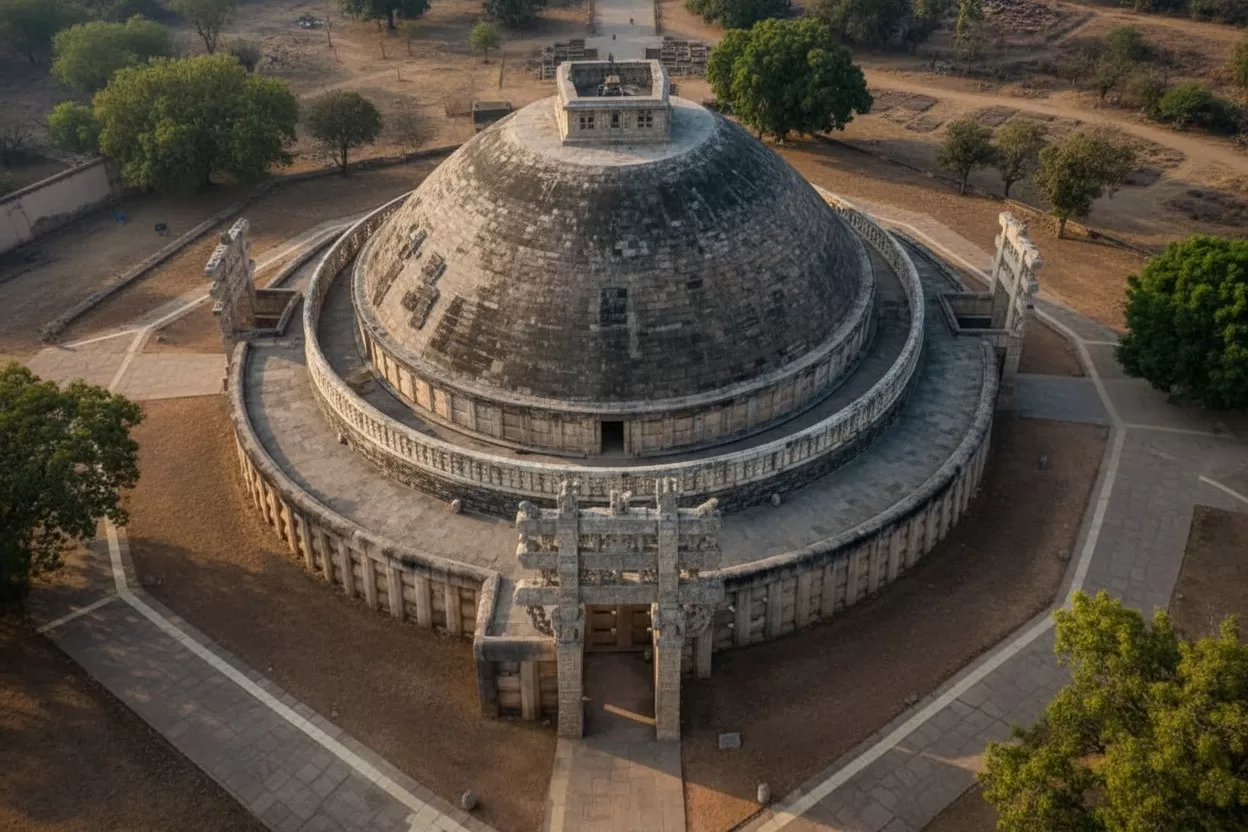
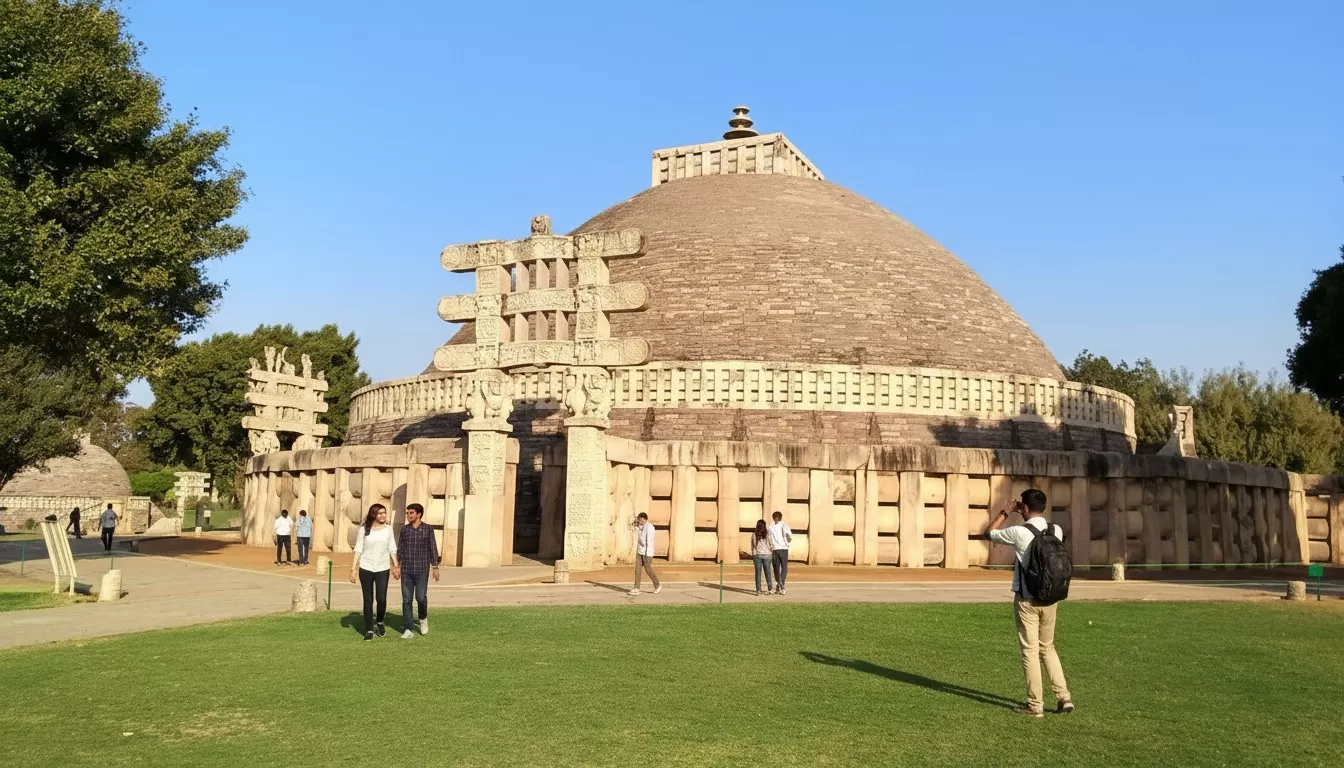
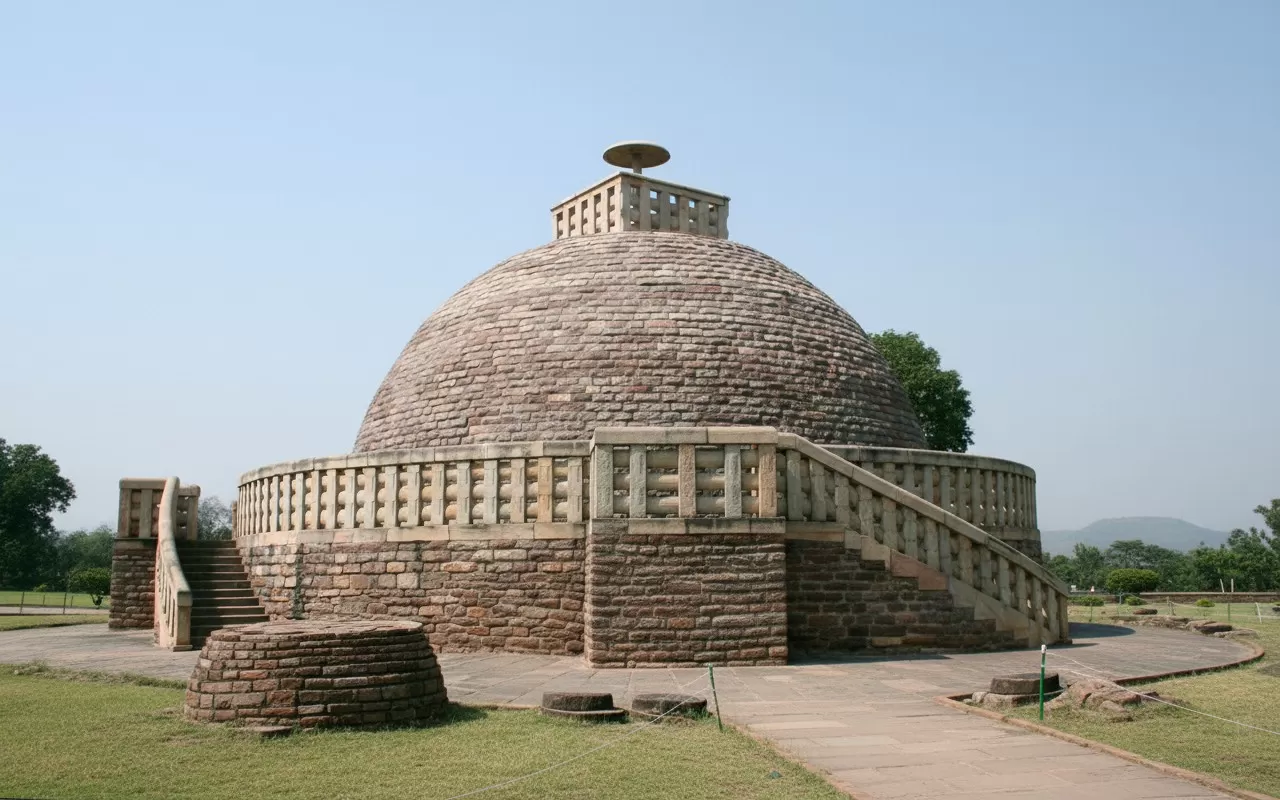
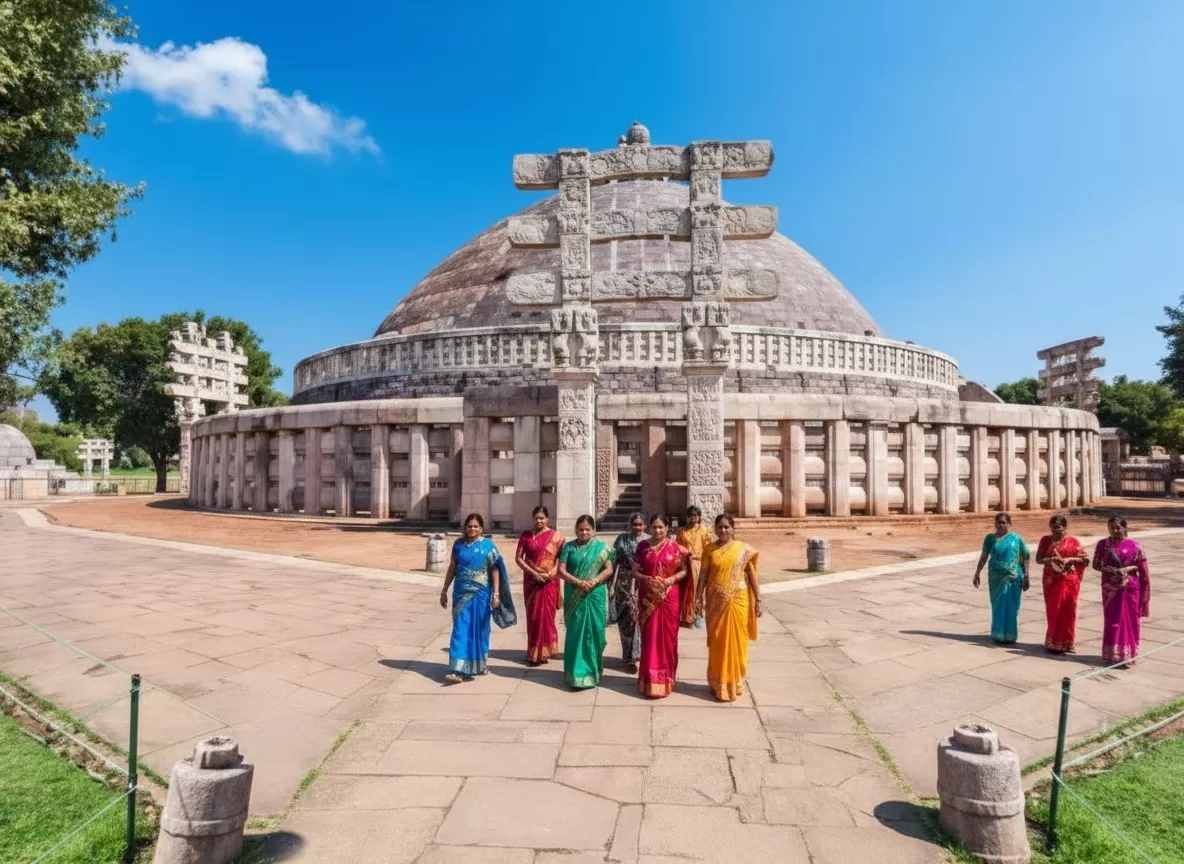
The Great Stupa is a hemispherical dome constructed to house sacred Buddhist relics. Surrounding the stupa is a stone railing and a circumambulatory path used by devotees for ritual walks. The most striking features are the four elaborately carved gateways, known as toranas, which depict scenes from the life of Buddha, Jataka tales, and various symbolic representations of Buddhist teachings. Interestingly, Buddha is often represented through symbols such as footprints, the Bodhi tree, and the wheel of Dharma rather than in human form.
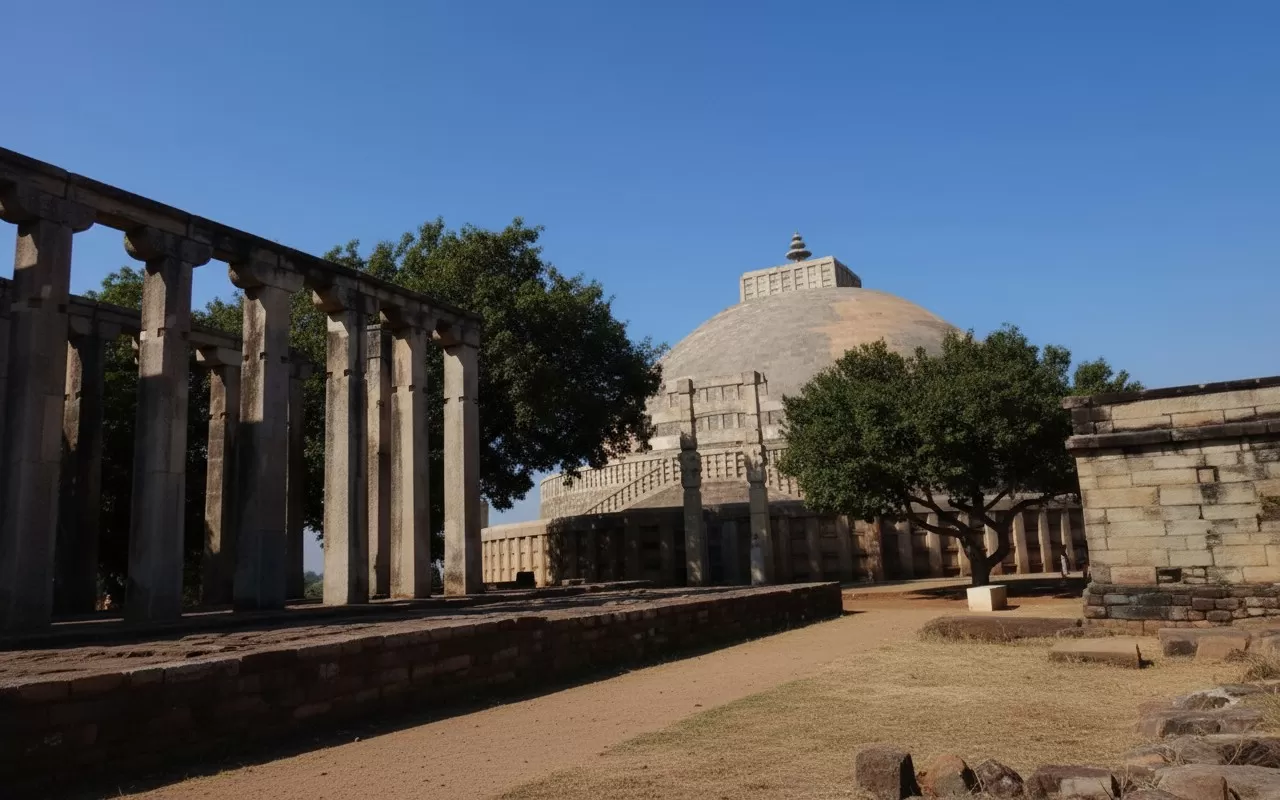
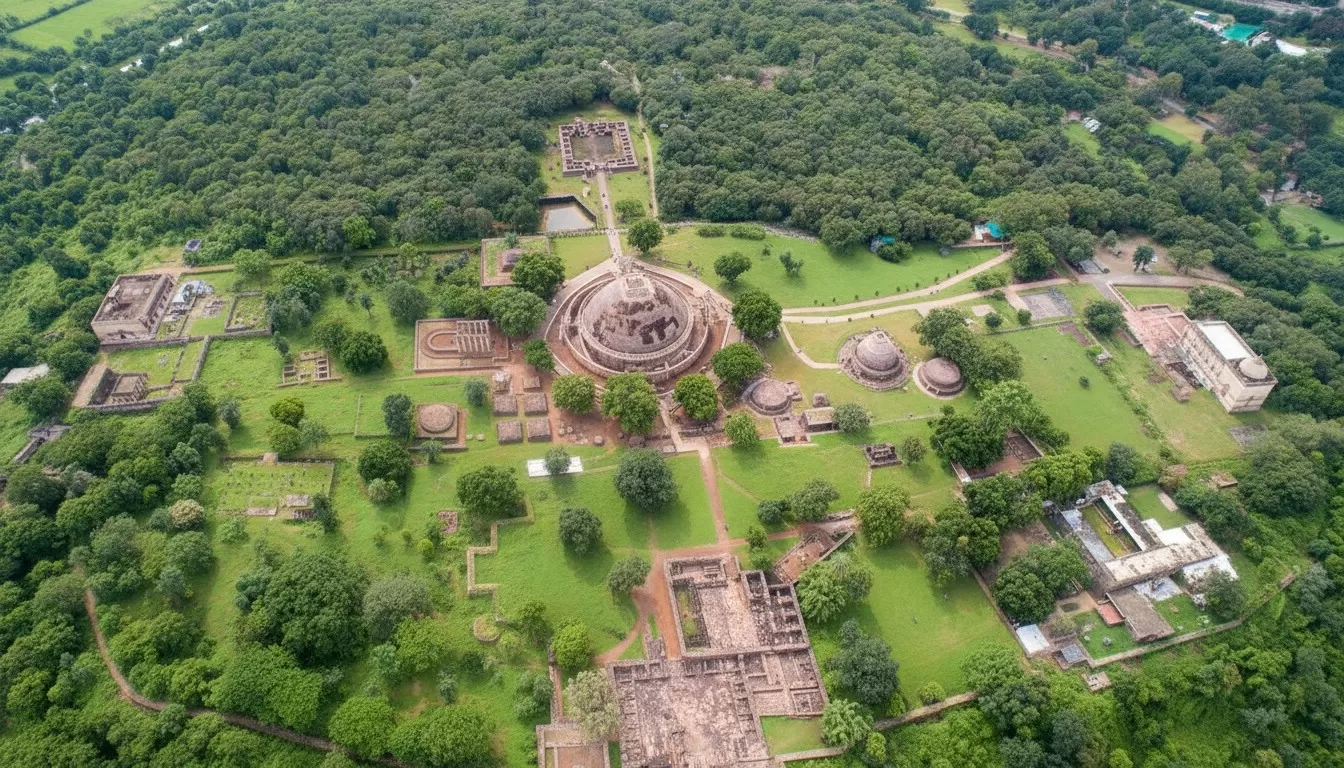
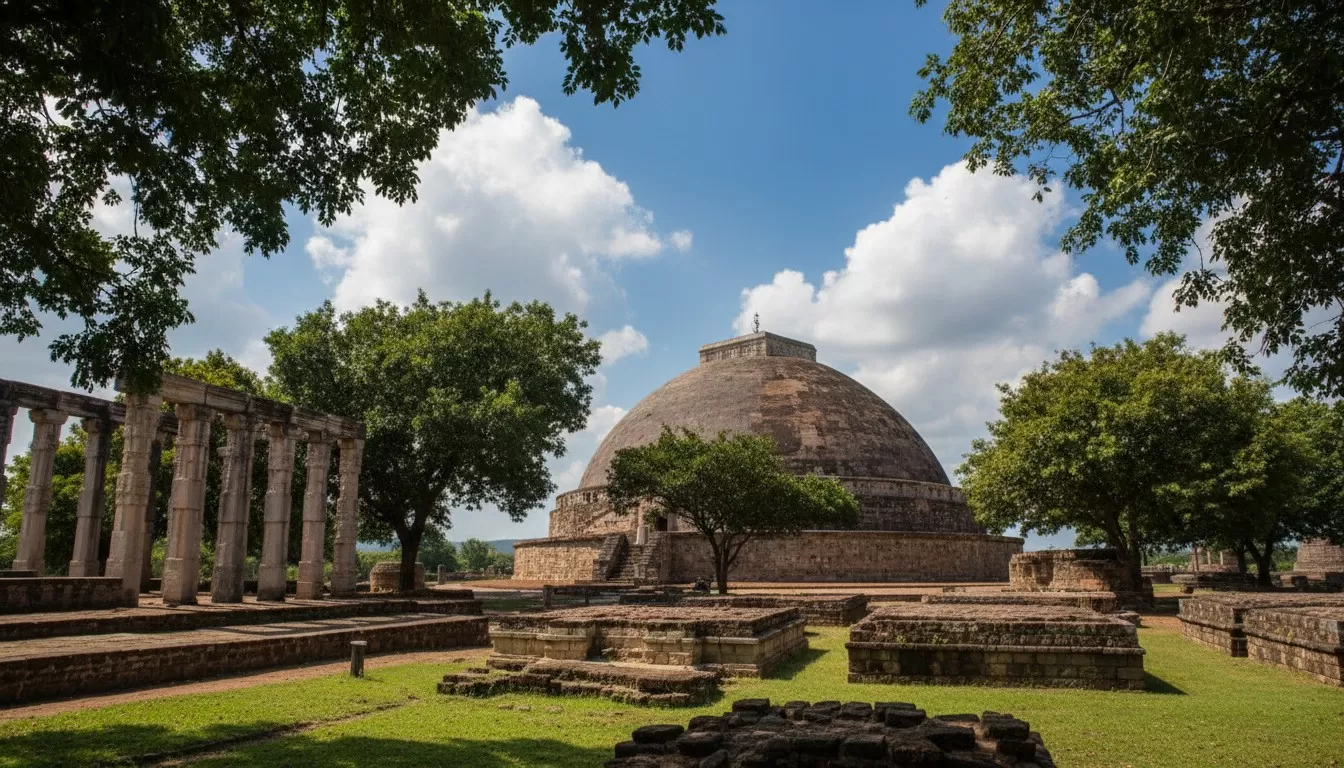
The Sanchi complex includes several smaller stupas, ancient temples, monasteries, and the remains of pillars that provide valuable insights into the development of Buddhist art and architecture over many centuries. The site reflects influences from the Mauryan, Shunga, Satavahana, and Gupta periods, making it a treasure trove for historians and archaeologists.
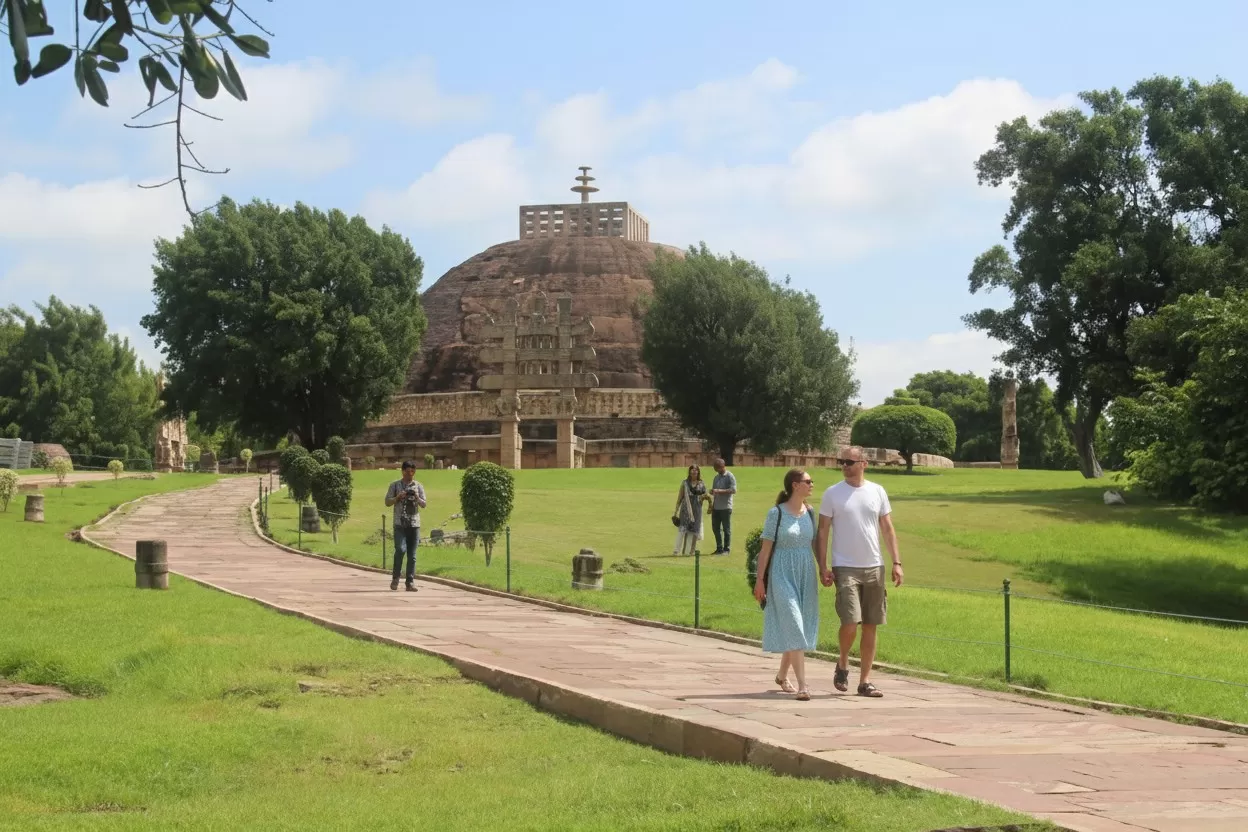
Despite being one of the most significant Buddhist monuments in India, Sanchi retains a calm and peaceful atmosphere. Visitors can explore the beautifully preserved carvings, admire the engineering achievements of ancient builders, and enjoy panoramic views of the surrounding landscape. The combination of historical importance, architectural brilliance, religious significance, and scenic beauty makes Sanchi Stupa an unforgettable destination for travelers interested in India's rich cultural and spiritual heritage.
The Great Stupa is a hemispherical dome constructed to house sacred Buddhist relics. Surrounding the stupa is a stone railing and a circumambulatory path used by devotees for ritual walks. The most striking features are the four elaborately carved gateways, known as toranas, which depict scenes from the life of Buddha, Jataka tales, and various symbolic representations of Buddhist teachings. Interestingly, Buddha is often represented through symbols such as footprints, the Bodhi tree, and the wheel of Dharma rather than in human form.
The Sanchi complex includes several smaller stupas, ancient temples, monasteries, and the remains of pillars that provide valuable insights into the development of Buddhist art and architecture over many centuries. The site reflects influences from the Mauryan, Shunga, Satavahana, and Gupta periods, making it a treasure trove for historians and archaeologists.
Despite being one of the most significant Buddhist monuments in India, Sanchi retains a calm and peaceful atmosphere. Visitors can explore the beautifully preserved carvings, admire the engineering achievements of ancient builders, and enjoy panoramic views of the surrounding landscape. The combination of historical importance, architectural brilliance, religious significance, and scenic beauty makes Sanchi Stupa an unforgettable destination for travelers interested in India's rich cultural and spiritual heritage.